TL;DR
New U.S. travel bans and visa freezes lack automatic exemptions for adoption visas, leaving more than 1,000 children and American families in limbo.
Why This Matters
The latest update on U.S. travel bans under President Donald Trump reaches beyond tourism and work visas, touching families in the middle of international adoptions. Unlike earlier restrictions, the new travel ban and broad visa freeze do not automatically exempt adoption visas, meaning parents who have already spent years and large sums of money now face fresh uncertainty.
For children living in orphanages or temporary care, added delays can mean more time without a permanent home. Adoption advocates warn that legal and logistical setbacks often fall hardest on young children with medical or developmental needs, for whom stability and early care are especially important.
The dispute sits at the crossroads of immigration control, national security, and family policy. The State Department has said it will consider making exceptions case by case under a National Interest Exception, but lawmakers of both parties argue that is not enough. Their concern is that a process meant to protect the country may be unintentionally keeping children apart from approved parents who are already vetted and ready to bring them home.
Key Facts & Quotes
According to guidance circulated by the State Department and obtained by CBS News, children being adopted by U.S. citizens may qualify for a National Interest Exception on a case-by-case basis. The internal guidance stresses that, “Intercountry adoption remains a high priority for the administration, and adoption-related visas will continue to be processed as expeditiously as possible,” adding that reduced overall visa demand gives consular offices “increased capacity to assist with adoption cases.”
President Trump’s expanded travel ban, issued in December, now restricts travel from 39 countries. A subsequent order indefinitely froze immigrant visas for nationals of 75 countries, including Somalia, Yemen and Jamaica, based on assessments that those applicants might rely on public assistance. Unlike earlier versions, the new rules do not automatically exempt adoption visa categories IR-3, IR-4, IH-3 and IH-4.
The National Council for Adoption estimates more than 1,000 children in over 40 countries are affected. The group, alongside the Congressional Coalition on Adoption Institute, has urged families to contact their representatives. While thanking the administration for new guidance, they continue to press for a categorical exemption.
Bipartisan leaders of the Congressional Coalition on Adoption Caucus – Republican Sen. Kevin Cramer, Democratic Sen. Amy Klobuchar, Republican Rep. Robert Aderholt and Democratic Rep. Danny Davis – wrote to Secretary of State Marco Rubio and Assistant Secretary Mora Namdar seeking permanent visa exemptions for adoptions. The lawmakers warned that removing explicit adoption exceptions “introduced uncertainty for children and American parents who have waited years for their adoptions to be completed.”
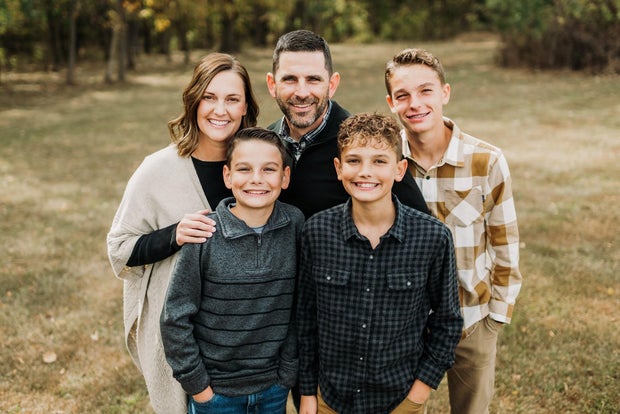
Among those affected are Kenton and Heidi Snyder of Illinois, who spent six years trying to adopt from China before COVID-19 and China’s 2024 decision to end adoption programs halted their plans. They then began adopting a 3-year-old girl from Cote d’Ivoire, which they call Eden, only to see that country listed among the 75 now facing visa suspensions. “We heard about it but we both kind of blew it off and said, ‘Well that won’t apply to adoptions,'” Heidi said. “We just couldn’t believe that it would.”
After the new State Department guidance, the Snyders describe feeling encouraged but still cautious. “If there is one thing that we could ask for, we would love for there to be a categorical exemption listed on the proclamation so that there is no doubt,” Heidi said, adding that adoption visas “should not be included or bundled with all of these other visa bans or pauses.”
What It Means for You
For American families pursuing or considering international adoption, the latest update means timelines may stretch further, especially if a child lives in one of the 75 countries affected by the visa freeze or the 39 covered by the travel ban. Even with the new National Interest Exception pathway, each case will require additional review, documentation and waiting.
Advocacy groups are encouraging families to stay in close contact with their adoption agencies and with U.S. embassies overseas, and to monitor any fresh guidance from the State Department. Lawmakers in both parties have signaled that they are watching the situation, which could lead to policy clarifications or new exemptions.
For readers who are not directly involved in adoption, this story highlights how broad immigration and national security policies can have personal, long-term effects on children and parents. It underscores the importance of reading the fine print whenever new travel or visa rules are announced.
Sources: State Department guidance as described in a CBS News report published Jan. 29, 2026; statements and estimates from the National Council for Adoption; bipartisan letter from the Congressional Coalition on Adoption Caucus co-chairs to Secretary of State Marco Rubio and Assistant Secretary Mora Namdar.
How do you think national security and humanitarian family priorities should be balanced when governments design travel and visa rules?