TL;DR
South Carolina’s measles outbreak has climbed to 789 confirmed cases since September, now larger than Texas’ 2025 surge and adding pressure on U.S. measles vaccination gaps and the nation’s long-held elimination status.
Why This Matters
Measles was declared eliminated in the United States in 2000, meaning the virus was no longer spreading continuously inside the country. That milestone is now at risk. A fast-growing outbreak in South Carolina, along with another along the Utah-Arizona border, is testing how far falling childhood vaccination rates can slide before large, disruptive outbreaks become the norm again.
Measles is more contagious than many other common viruses. It can linger in the air for up to two hours after an infected person coughs or sneezes, according to the U.S. Centers for Disease Control and Prevention (CDC). Infants, pregnant people and those with weakened immune systems are at the highest risk of severe complications, including pneumonia, brain swelling and death.
The South Carolina outbreak has already forced quarantines for hundreds of schoolchildren and has spread into neighboring states. Public health officials warn that as more families claim exemptions from school vaccine requirements, the protective “herd immunity” that once shielded entire communities is weakening. What happens next will be an important test of the country’s ability to manage preventable disease in an era of vaccine hesitancy.
Key Facts & Quotes
South Carolina has confirmed 789 measles cases since September in an outbreak centered in northwestern Spartanburg County, state health officials said Tuesday, with nearly 600 of those cases logged in just over a month. That surpasses the 762 reported cases in Texas during a major 2025 outbreak, which experts already believed was an undercount, according to a report published by PBS NewsHour and the Associated Press on Jan. 28, 2026.
The #SouthCarolina Department of Public Health (DPH) is reporting 89 new cases of #measles in the state since Friday, bringing the total number of cases in South Carolina related to the Upstate #outbreak to 789. pic.twitter.com/rLMtAkeiJX
— Outbreak News Today (@bactiman63) January 28, 2026
The South Carolina outbreak has become the largest in the nation so far this year. Hundreds of children across dozens of schools have been quarantined because of exposure, some more than once. The virus has also spread from South Carolina into North Carolina and Ohio.
Nationwide, the CDC had confirmed 416 measles cases for the year as of Thursday, nearly 20% of the 2025 total. Other states with 2026 cases include California, Florida, Georgia, Idaho, Kentucky, Minnesota, North Carolina, Ohio, Oregon, Virginia and Washington, PBS reported.
Another large outbreak is unfolding in a region known as Short Creek, the border area around Hildale, Utah, and Colorado City, Arizona. Arizona health officials have recorded 222 cases in Mohave County, with additional cases appearing in Maricopa, Pima and Pinal counties. Utah officials have confirmed 216 cases, including 55 in the last three weeks. Experts in both states have warned that these numbers may still be underestimates.
Last year was the worst year for measles spread in the U.S. since 1991, with 2,255 cases and nearly 50 separate outbreaks, CDC data cited in the AP report show. Three people died, all unvaccinated, including two children in Texas.
The CDC defines an outbreak as three or more related measles cases. Measles spreads so easily that public health officials emphasize the importance of high vaccination coverage to maintain community protection, commonly called “herd immunity.”
What It Means for You
For many adults, measles may feel like a disease from another era, but these latest updates show it is again a present-day concern. If you are a parent or grandparent, this outbreak is a reminder to check vaccination records for children in your family, especially the measles, mumps and rubella (MMR) vaccine.
The CDC recommends the first MMR dose at 12-15 months and a second at 4-6 years old. After two doses, protection against measles is about 97% and is considered long-lasting. Communities need at least about 95% of people vaccinated to keep measles from easily spreading. Since the COVID-19 pandemic, childhood vaccination rates have slipped nationwide, and more parents are using religious or personal waivers to opt out of school-required shots.
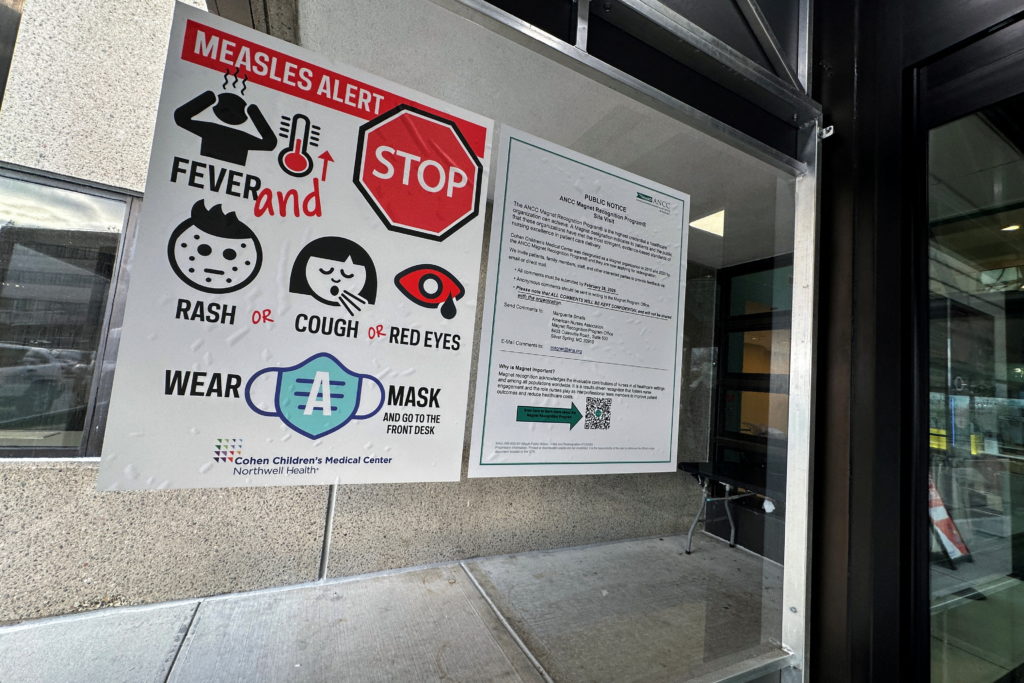
If you live in or travel to affected states, health officials advise knowing the early signs of measles – high fever, cough, runny nose, red eyes and a spreading rash – and contacting a healthcare provider before walking into a clinic if you suspect infection, to avoid exposing others. For personal medical decisions, including catch-up vaccination, it is best to consult your doctor or local health department.
Sources
* PBS NewsHour / Associated Press report by Devi Shastri, “South Carolina measles outbreak hits nearly 600 new cases in just over a month,” published Jan. 28, 2026.
* U.S. Centers for Disease Control and Prevention (CDC), measles and MMR vaccine fact pages, accessed Jan. 28, 2026.
* World Health Organization, measles fact sheet, updated 2023.
Question for readers: How should schools and local communities balance personal choice with public health when vaccination rates begin to fall?