TL;DR
In Iran, wounded anti-government protesters avoid hospitals, seeking secret treatment from sympathetic doctors to escape possible arrest and surveillance.
Why This Matters
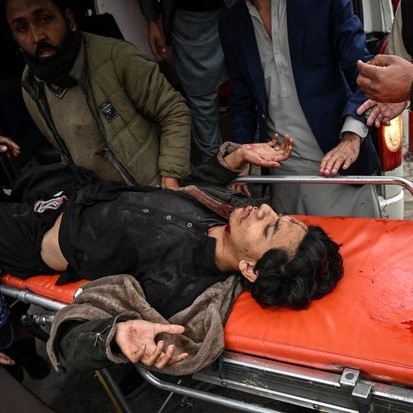
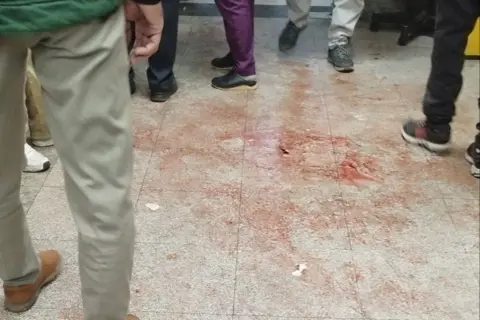
The latest reports from inside Iran describe a protest movement where even basic medical care has become risky. Many wounded demonstrators now fear that going to a hospital could lead to arrest, interrogation or disappearance, according to people involved in recent unrest and to rights groups.
That has pushed some protesters to rely on a shadow network of doctors, nurses and volunteers who treat injuries in private homes, often at personal risk. When access to hospitals is compromised, the consequences go beyond politics: people may delay or skip life-saving care, and injuries that could be treated early can become permanent disabilities.
The accounts emerging from cities such as Tehran, Isfahan, Arak and Ilam also raise broader questions about the role of medical neutrality in times of crisis. International human rights organisations consider targeting patients or medics a serious violation of basic protections in both conflict and peacetime.
For readers outside Iran, these reports offer a window into how protests and state responses can reshape everyday institutions, including hospitals, and influence debates on sanctions, diplomacy and human rights policy.
Key Facts & Quotes
According to interviews shared with a Persian-language international broadcaster, protesters say they are increasingly avoiding hospitals after being wounded in anti-government demonstrations across Iran this month.
One young woman, identified only as Tara for her safety, said she and a friend were shot with birdshot by security forces during a protest in the city of Isfahan. “My friend told an armed member of the security forces, ‘Just don’t shoot us,’ and he immediately fired several shots at us,” she said. Afraid of arrest, she asked bystanders, “Don’t take us to a hospital,” and later found doctors willing to remove some of the pellets in private homes.
The US-based Human Rights Activists News Agency (HRANA) says it has confirmed 6,301 people killed in the unrest so far, including 5,925 protesters, 112 children, 50 bystanders and 214 people affiliated with the government, and is investigating reports of thousands more deaths. HRANA also estimates at least 11,000 protesters have been seriously wounded.
A Tehran surgeon, using the pseudonym Nima, described working almost four days straight as casualties arrived. “We were crying and operating. Nobody complained,” he said, recalling clothes “soaked in the blood of these young people.” He and other healthcare workers reported security forces in hospitals checking medical records to identify injured protesters, and said some shot patients required amputations and would live with permanent disabilities.
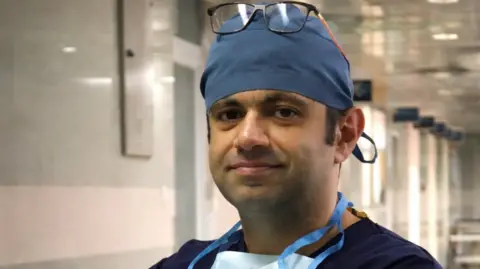
In one Tehran eye hospital, a protester’s friend named Saeed said around 200 people with eye injuries from different cities were being treated. The hospital’s head, Dr Qasem Fakhrai, told the semi-official Isna news agency that by 10 January his facility had treated 700 patients with severe eye injuries requiring emergency surgery and referred nearly 200 more elsewhere, adding that almost all had been admitted after 8 January.
Some families described “battlefield” conditions in public hospitals, with shortages of blankets and medical supplies. Others said they felt compelled to give their real identification details to use health insurance, despite fearing that security forces could later track them down.
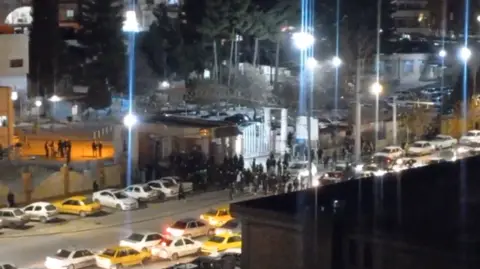
Rights groups and local reports have also alleged that security forces have removed wounded protesters from hospitals in smaller cities, with families later unable to find them. Video from early January, verified by activists, shows armed personnel storming a hospital in the western city of Ilam where the injured were reportedly receiving treatment.
Iranian officials present a very different picture. Authorities say more than 3,100 people have been killed during the unrest, claiming most were security personnel or bystanders attacked by what they call rioters. Health ministry spokesman Hossein Shokri, quoted by the semi-official Tasnim news agency, said around 13,000 operations had been carried out during the unrest. He added that some 3,000 people who had been treating themselves at home had since come to hospitals, saying this showed continued public “trust” in the health system.
What It Means for You
For readers in the United States and elsewhere, these accounts from Iran highlight how quickly core services like healthcare can become entangled in political conflict. When hospitals are seen as unsafe, people turn to informal networks, which can deepen health risks and social mistrust.
The situation may influence international debates on human rights, sanctions, and future negotiations with Iran. Lawmakers and diplomats often rely on such reports when weighing steps like targeted sanctions, support for civil society, or conditions on future agreements.
For those with Iranian roots or family in the region, the latest update is a stark reminder to verify safety information, share trusted contacts, and follow developments through credible human rights organisations. More broadly, it raises a question relevant in many countries: how should medical workers and institutions be protected when politics and public health collide?
Sources: Firsthand accounts shared with a Persian-language international broadcaster (January 28, 2026); Human Rights Activists News Agency statements; reports via Tasnim and Isna news agencies; public comments by Iranian health officials and hospital representatives.
Question for readers: When medical care becomes politically risky, what responsibilities do foreign governments and international organisations have, if any, to respond?