TL;DR
At least 60 people are dead and over 300,000 lost power as a massive winter storm brings life-threatening cold to much of the U.S., with more Arctic air coming.
Why This Matters
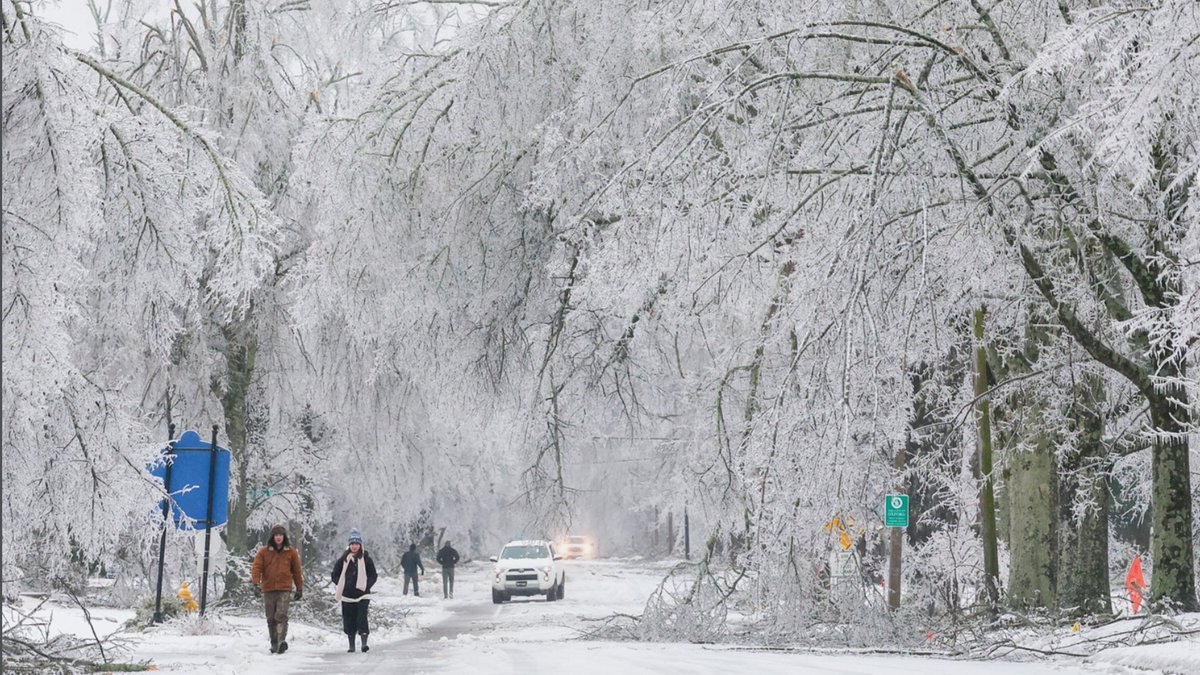
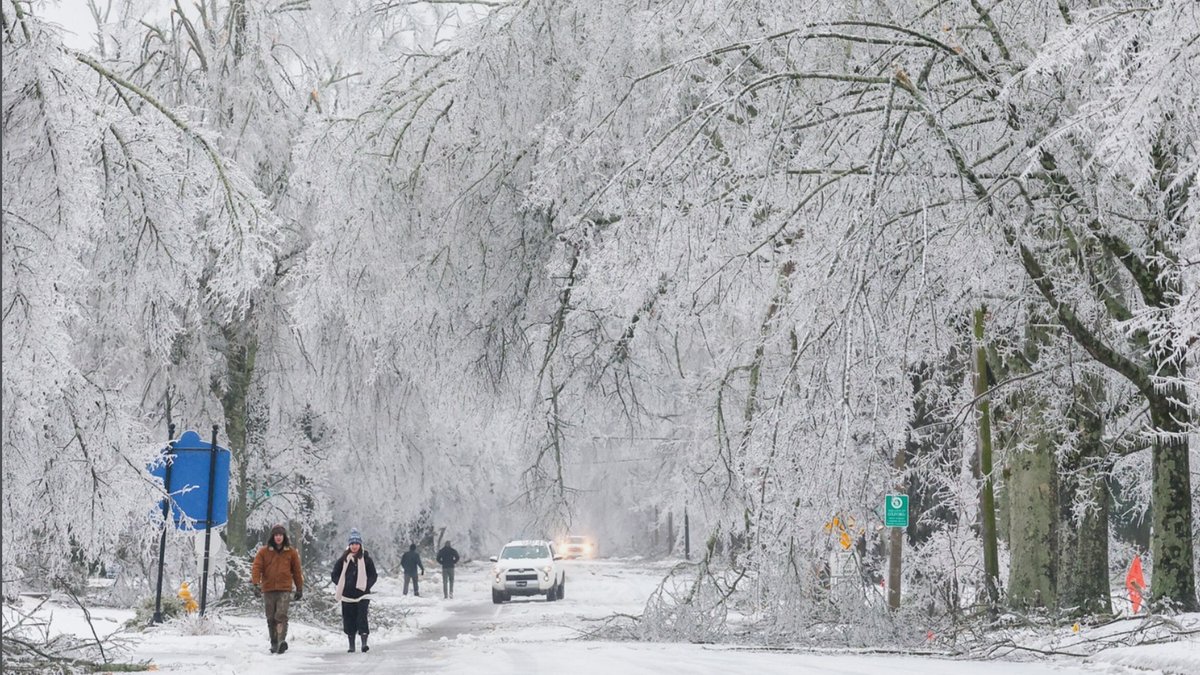
A powerful winter storm has turned deadly across large parts of the United States, underscoring how quickly extreme cold can become a public safety crisis. The system swept across roughly two-thirds of the country, exposing about 200 million people to heavy snow, ice, rain and temperatures far below normal, according to the National Weather Service.
Such widespread cold stresses every layer of daily life at once: power grids, road networks, hospitals, schools and workplaces. Older adults, people with heart or lung conditions, children and anyone without steady heat face the greatest risk of hypothermia and other cold-related illnesses. The storm also hits at a time when many communities are still repairing infrastructure from past severe weather, heightening concern about resilience.
With another surge of Arctic air and a potential “bomb cyclone” forecast for parts of the Northeast, the latest update is less about a single storm and more about a prolonged stretch of dangerous conditions. For millions, what it means is continued disruption to travel, work and basic services, and a reminder of the importance of local emergency planning.
Key Facts & Quotes
Authorities across multiple states have confirmed at least 60 deaths directly linked to the storm or weather-related accidents, with officials reporting roughly two dozen additional deaths believed to be tied to the extreme cold. Reported causes include hypothermia, car and snowplow crashes, sledding accidents and sudden cardiac emergencies connected to shoveling heavy snow.
New York City Mayor Zohran Mamdani said 10 people had been found dead outdoors in the city during the cold snap, though medical examiners have not yet confirmed all causes of death. The National Weather Service said the storm affected around 200 million people from the weekend into Monday with snow, sleet, rain and subfreezing temperatures.
Frigid air has remained locked over the eastern half of the country, driving temperatures 15 to 25 degrees Fahrenheit below seasonal averages in some areas. Wind chills in and around New York City ranged from minus 15 to 5 degrees, and forecasters warned, “This could be the longest duration of cold in several decades.”
PowerOutage.us, which tracks utility data, reported more than 312,000 customers without electricity as of Wednesday night, mainly in Tennessee, Mississippi, Louisiana and Texas, with additional outages in Kentucky, Florida, South Carolina and Georgia. Lake-effect snow warnings covered parts of upstate and western New York, including Buffalo, Syracuse, Watertown and Rochester, where 1 to 2 feet of snow or more were possible.
At least 42 deaths have been attributed to the winter storm nationwide, according to the Associated Press.
More than 400,000 customers are still without power, with the worst outages in Tennessee, Mississippi and Louisiana.
Read more: https://t.co/QqmkfIbppN pic.twitter.com/OzFvfWweVR
— ABC News (@ABC) January 28, 2026
In Massachusetts, forecasters said residents should prepare for the possibility of a rapidly intensifying “bomb cyclone” over the upcoming weekend, which could bring heavy snow, strong winds and offshore waves similar to a hurricane, though the exact track and strength remained uncertain midweek.
What It Means for You
For households across the central and eastern U.S., this storm is a reminder that extreme cold can be just as dangerous as heat or hurricanes. Older adults and people with heart disease or respiratory problems are especially vulnerable, both to the cold itself and to strenuous activities like shoveling snow. Even short periods outside can be risky when wind chills fall well below zero.
Residents in affected regions should monitor local forecasts and alerts, limit nonessential travel on icy roads, and check on neighbors who may lack reliable heat or transportation. If you rely on powered medical equipment, planning for possible outages – including backup batteries or shelters with power – is critical. With another Arctic blast and a possible coastal storm in the forecast, what to watch next will be updates from local emergency managers on school closures, warming centers, and travel advisories.
Sources: National Weather Service public forecasts and statements, Jan. 2026; utility outage data from PowerOutage.us, Jan. 2026; statements from New York City officials.
How prepared do you feel your community is for a prolonged stretch of extreme winter weather like this?