
Why This Matters
Doctors are seeing more colorectal cancer in people in their 30s and 40s, often at late stages and with aggressive tumors. The trend is unusual because it has emerged within a single generation, even as overall colorectal cancer deaths in older adults continue to fall.
Oncologists now say colorectal cancer has become the top cancer killer among people under 50, according to specialists interviewed in recent reporting. Yet the reasons remain unclear, raising urgent questions about how best to prevent, detect, and treat these cases.
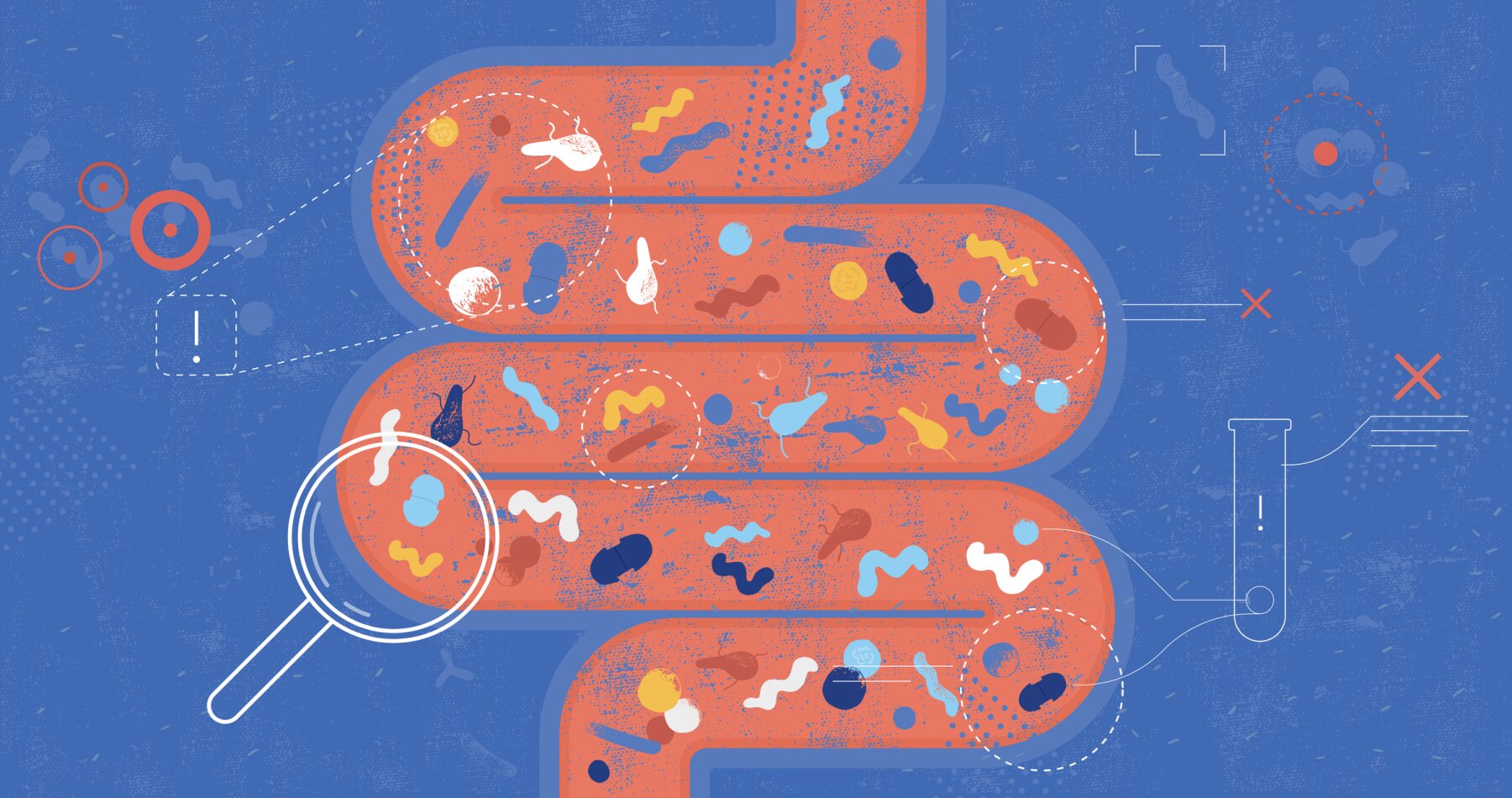
Researchers increasingly suspect the gut microbiome – the vast community of bacteria and other microorganisms in the digestive tract – may play a central role. That focus could reshape approaches to diet, lifestyle, and screening if scientists can pinpoint which changes are driving risk.
Key Facts and Quotes
Dr. Ning Jin, a medical oncologist at The Ohio State University, told reporters she is alarmed by the number of patients in their 30s and 40s arriving with late-stage colorectal tumors. She noted that even when younger patients receive more aggressive chemotherapy or surgery, “outcomes are not necessarily better” than in older patients.
Genetic risk explains only a minority of cases. Jin said roughly one in five patients carries a hereditary marker such as Lynch syndrome, a condition that raises the risk of colorectal and certain other cancers. That leaves about 80% of cases without a clear genetic driver, leading her and others to conclude, in her words, “There must be some environmental factors.”
Veteran oncologist Dr. John Marshall of Georgetown University’s Lombardi Cancer Center described a dramatic shift over his career. “Thirty-plus years ago, when I first started, no one – no one – was in my clinic under the age of 50 with colon cancer,” he said. “And now it is almost half of the patients that I see.” He also notes that earlier-onset tumors are more likely to appear in the rectum, low in the digestive tract.
Experts suspect a combination of changes: greater reliance on ultra-processed foods, widespread exposure to plastics and industrial chemicals, and more sedentary lifestyles. Current theory holds that these factors may alter the microbiome in ways that promote inflammation or produce toxins. One study cited in the reporting linked a DNA-damaging substance called colibactin, made by certain strains of E. coli, with colorectal cancer in younger patients. But scientists stress that proving exactly how any single exposure triggers cancer remains difficult, and Jin says more controlled studies are needed.
What It Means for You
For now, medical groups in the United States generally recommend routine colorectal cancer screening starting at age 45 for people at average risk, with earlier testing for those who have a strong family history or certain inherited syndromes. Patient advocates quoted in recent coverage urge younger adults with risk factors to talk with their doctors about whether to begin screening sooner.
Doctors also emphasize paying attention to potential warning signs at any age, such as persistent changes in bowel habits, blood in the stool, abdominal pain that does not go away, or unexplained weight loss. While research into the microbiome and environmental drivers continues, experts say that discussing symptoms promptly and staying informed about screening options remain the most practical steps individuals can take today.
What questions do you have about balancing new cancer research findings with day-to-day decisions about screening, diet, and lifestyle?
Sources
NPR, “Scientists search the microbiome for clues to the rise in colorectal cancers,” Yuki Noguchi, published April 27, 2026; American Cancer Society, colorectal cancer statistics and screening guidelines, 2023-2024; National Cancer Institute, background on colorectal cancer, microbiome, and early-onset incidence trends, accessed 2024.