Why This Matters
On the 40th anniversary of the 1986 Chernobyl nuclear disaster, fresh missile and drone strikes across Ukraine, Russian-occupied territory, and Russia have killed at least 16 people, according to officials. The anniversary has sharpened concerns that ongoing fighting near Chernobyl could trigger a new man-made emergency at a site that still contains large amounts of radioactive material.
Chernobyl’s damaged reactor is covered by a massive steel shelter designed to contain radiation for decades. Ukrainian and international nuclear officials now warn that war-related damage and delayed repairs could weaken that shield over time, raising the stakes of any future strike or accident in the area.
The latest attacks also highlight how the conflict has evolved into a long-range drone and missile campaign on both sides of the border, while Russia’s expanding military ties with North Korea underscore how the war is drawing in additional states and complicating wider security and sanctions efforts.
Key Facts and Quotes
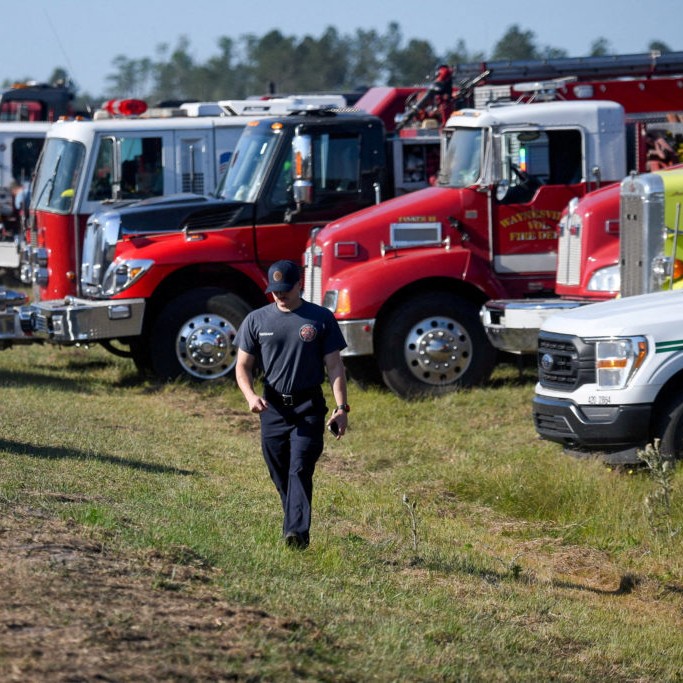
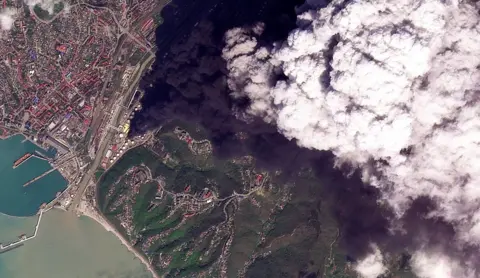
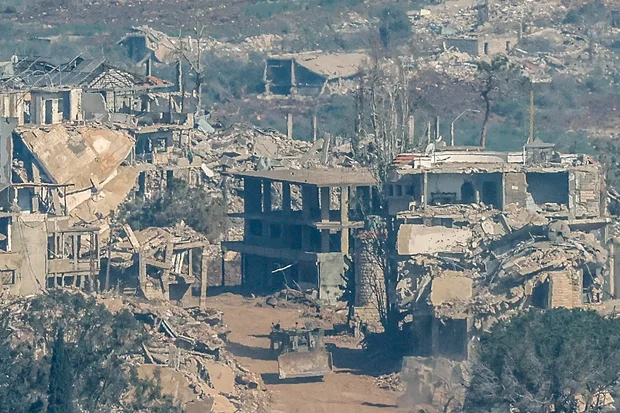
Over the past day, at least 16 people were reported killed in strikes across the region, according to authorities cited by the Associated Press. In the central Ukrainian city of Dnipro, Russian drone and missile attacks killed at least nine people, regional head Oleksandr Hanzha said. Moscow-installed officials in Sevastopol, in Russian-occupied Crimea, said a Ukrainian drone strike killed one man. In Ukraine’s Luhansk region, Russian-appointed governor Leonid Pasechnik said three people died in an overnight Ukrainian drone strike on a village, after earlier reporting two deaths on Saturday. Local officials in Russia’s Belgorod border region said a woman was killed in another Ukrainian drone attack. These battlefield claims could not be independently verified.
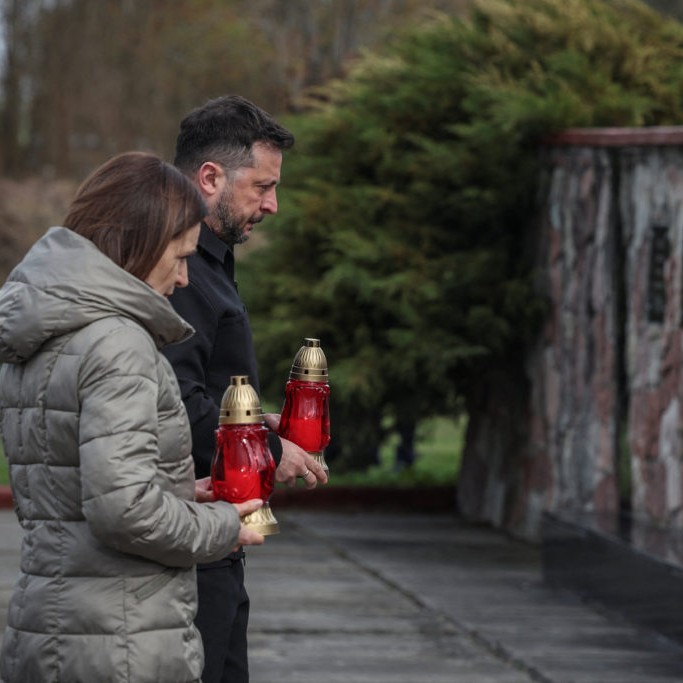
Marking the Chernobyl anniversary, Ukraine’s President Volodymyr Zelenskyy warned that Russian attacks near the plant risk repeating history. He said Russian-Iranian Shahed drones regularly fly over the site and that one hit the protective structure last year. “Russia is once again bringing the world to the brink of a man-made disaster,” he wrote, adding that “the world must not allow this nuclear terrorism to continue.” Ukrainian officials say a Russian drone struck the outer shell of the New Safe Confinement structure in February 2025; Moscow denies targeting the plant and accuses Kyiv of staging the incident.
During a visit to Kyiv, International Atomic Energy Agency Director General Rafael Grossi echoed the safety concerns. He said agency assessments show last year’s strike damaged the outer shell and already compromised a key safety function. Grossi warned that years of inaction on repairs could increase risks to the original concrete sarcophagus built over Reactor No. 4. The European Bank for Reconstruction and Development estimates repairs will cost at least 500 million euros, while Ukraine’s Energy Minister Denys Smyhal said partners have so far pledged about 130 million euros, leaving a sizable funding gap.
Ukraine’s General Staff said Ukrainian forces struck an oil refinery in Yaroslavl, deep inside Russian territory, sparking fires at a facility that processes 15 million tons of oil a year and produces fuel for Russia’s military. Russia had not immediately commented. Ukrainian officials say they are using domestically developed long-range drones, capable of reaching about 1,500 kilometers, to hit energy infrastructure as Russia seeks to boost oil exports. At the same time, Russia’s Defense Minister Andrei Belousov visited North Korea for talks with leader Kim Jong Un, saying the two countries agreed to ‘transition military cooperation to a sustainable, long-term basis,’ according to Russian state media. Belousov awarded Russian decorations to North Korean service members who served in Russia’s Kursk region; AP reporting notes that Kim has sent troops and weapons to support Russia’s war in Ukraine.
What It Means for You
For people far from the front lines, the central concern is nuclear safety in an active war zone. While experts have not reported any immediate radiation release, damage to Chernobyl’s protective structures and delays in funding repairs could increase long-term risks if fighting intensifies nearby or if another strike hits the site. Any serious accident would not respect borders and could affect air, water, and food safety well beyond Eastern Europe.
The widening use of long-range drones and strikes on oil infrastructure also carries global economic and security implications. Prolonged attacks on refineries and fuel depots could add instability to energy markets, while closer military cooperation between Russia and North Korea may complicate efforts to enforce sanctions and curb the spread of advanced weapons technology. Observers will be watching decisions on financing Chernobyl repairs, the trajectory of cross-border strikes, and diplomatic moves aimed at containing the conflict.
As this war increasingly touches nuclear safety, energy supplies, and global alliances, what aspects of the conflict do you feel need clearer explanation or more transparent debate?
Sources
Associated Press report by Samya Kullab, published by PBS NewsHour on April 26, 2026; statements by Ukrainian officials including President Volodymyr Zelenskyy, Energy Minister Denys Smyhal, and regional authorities in Dnipro as cited in AP reporting; statements by Russian-installed officials Leonid Pasechnik and Sevastopol and Belgorod authorities, and by Russian Defense Minister Andrei Belousov, as cited in AP reporting; remarks by International Atomic Energy Agency Director General Rafael Grossi and cost estimates from the European Bank for Reconstruction and Development, as reported by AP.