Why This Matters
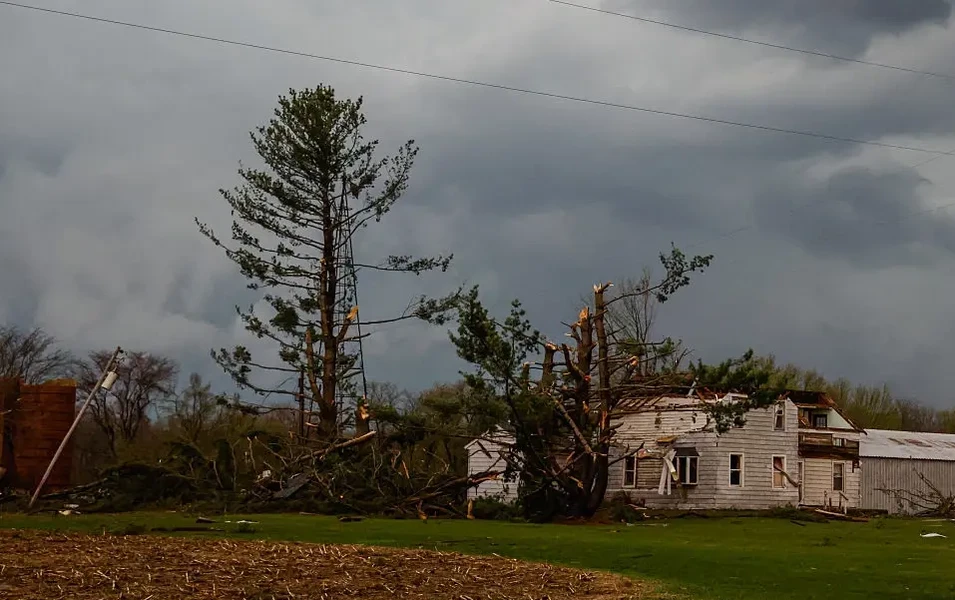
Powerful spring storms again turned deadly in the Southern Plains, with tornadoes killing at least two people and destroying homes in northern Texas. The latest outbreak adds to a season of volatile weather that has brought repeated rounds of severe storms, hail, and high winds across the region.
Local officials say at least 20 families have been displaced, and many homes suffered major damage. That means a long recovery ahead for smaller communities that often have limited emergency resources and rely heavily on volunteers and mutual aid from nearby counties.
The storms follow other recent tornado damage in the region, including an earlier Oklahoma twister that damaged about 40 homes and shut down roads. Together, these events highlight how quickly severe weather can overwhelm local infrastructure, from power lines to emergency medical response.
Key Facts and Quotes
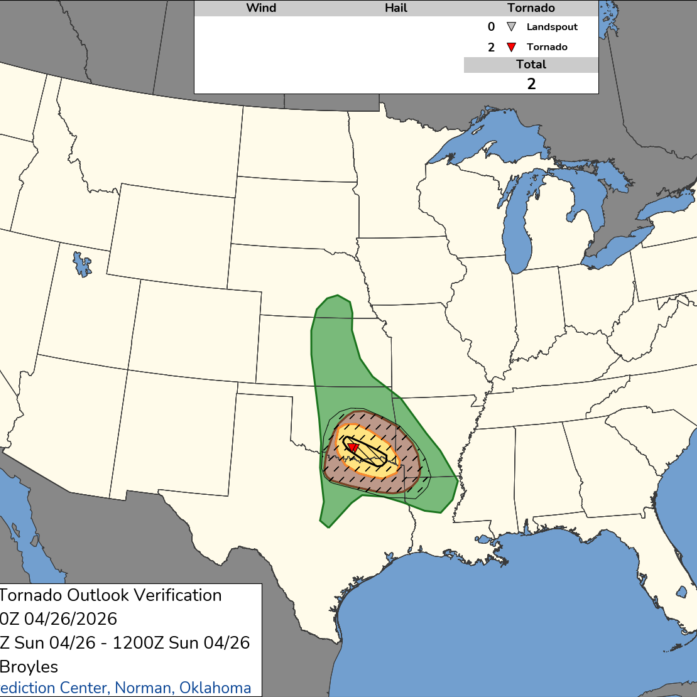
Authorities said a tornado-producing thunderstorm swept through northern Texas on Saturday night, killing at least two people and damaging numerous homes. One person died in the lakeside town of Runaway Bay, about 45 miles northwest of Fort Worth, according to Wise County Judge J.D. Clark, the county’s chief executive.
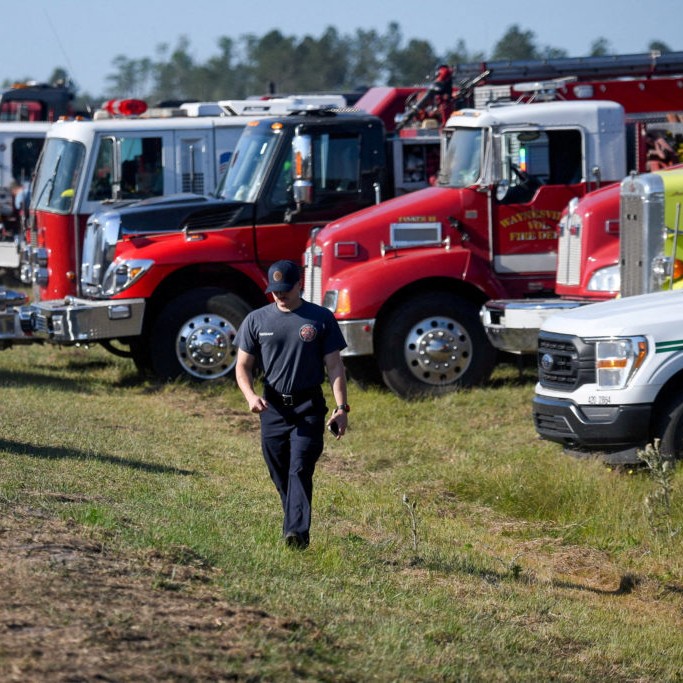
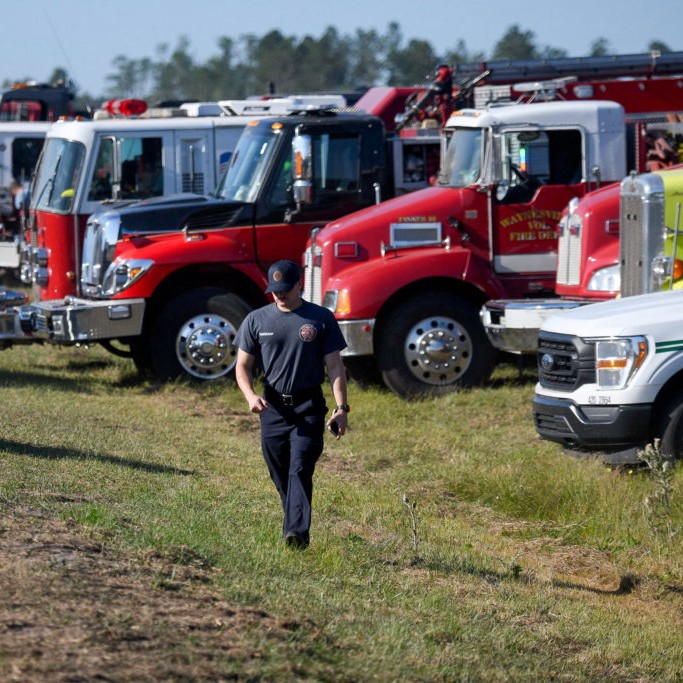
“Access has been difficult due to blocked roadways and downed utilities, but crews have continued pushing forward to reach those in need,” Clark said. Emergency responders worked overnight to clear debris, reach damaged homes, and provide medical care where necessary, officials said.
The storm also struck the area around Springtown, roughly 30 miles northwest of Fort Worth. Parker County Assistant Fire Chief David Pruitt said a second person died south of Springtown’s city limits and reported “significant damage” in the area. “One of the most significant ongoing challenges is the widespread power outage affecting many residents,” he wrote in an email.
National Weather Service teams confirmed an EF-2 tornado, with peak winds of about 135 mph, in the Runaway Bay area and an EF-1 tornado, with winds up to 105 mph, near Springtown. The slow-moving supercell storm moved southeast from near Wichita Falls around 10 p.m., passing just west of Fort Worth. Weather radar also detected a “potentially large and extremely dangerous” tornado near Azle, southeast of Springtown, around 10:14 p.m.
What It Means for You
The confirmed EF-1 and EF-2 ratings place these tornadoes in the middle range of the Enhanced Fujita scale, which measures wind damage. That level is strong enough to tear roofs from well-built homes, uproot large trees, and flip vehicles, underscoring the importance of taking tornado warnings seriously and having a plan for where to shelter quickly.
For residents across Texas and much of the central United States, forecasters typically consider late spring a peak tornado season. Officials urge people to monitor local weather alerts, keep their phones charged, and know whether they live in a mobile home, a single-story house, or a building with a safe interior room or a storm shelter, since that can affect how much time they need to seek protection.
How do you think communities and local governments should balance everyday costs with investing more in early warning systems and storm-resistant infrastructure?
Sources
Associated Press report carried by PBS NewsHour, published April 26, 2026; Statements and damage assessments attributed to Wise County Judge J.D. Clark and Parker County Assistant Fire Chief David Pruitt as reported by AP; Tornado confirmation and ratings from the National Weather Service Fort Worth office as cited in the same report.