Why This Matters
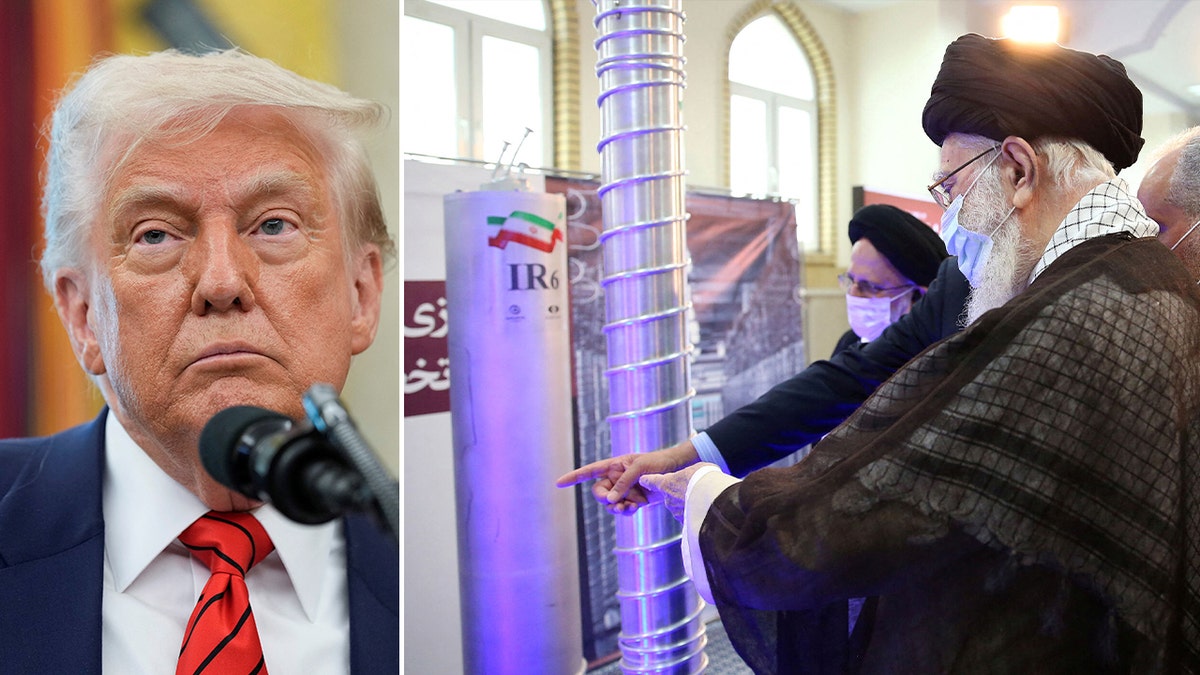
Rep. Mike Turner, a Republican from Ohio, is defending former President Donald Trump’s handling of what CBS News described as the Iran war, saying Trump’s priority was preventing Iran from obtaining a nuclear weapon. His comments highlight how U.S. leaders still sharply disagree over the best way to deal with Tehran.
Iran’s nuclear program has long been a central concern in U.S. foreign policy. How Washington chooses to confront or negotiate with Iran affects regional stability in the Middle East, the safety of U.S. forces and allies, and global energy markets.
Turner’s remarks also show how past administrations’ records remain part of today’s debate. Trump’s withdrawal from the 2015 nuclear deal and his use of sanctions and military pressure continue to shape both Iran’s behavior and the options available to current and future U.S. policymakers.
Key Facts and Quotes
In a CBS News video segment published April 12, 2026, Turner defended Trump’s record on Iran. According to the segment, Turner said the former president was focused on keeping Iran from becoming a nuclear-armed state, describing that goal as central to Trump’s approach during the conflict.
GOP Rep. Mike Turner of Ohio “defended the president’s handling of the Iran war, saying he is focused on preventing Iran from obtaining a nuclear weapon,” CBS News reported. Turner, who has served on key national security committees in Congress, framed Trump’s strategy as one of deterrence and pressure.
The broader debate over Trump’s Iran policy has been ongoing for years. Supporters of his approach argue that maximum economic pressure, sanctions, and a willingness to use force were necessary to push Iran away from nuclear weapons capability. Critics, including many Democrats and some foreign policy experts, have argued that withdrawing from the 2015 nuclear agreement and ramping up pressure increased tensions and reduced visibility into Iran’s nuclear activities.
International inspectors with the International Atomic Energy Agency have for years reported concerns about the scale and level of Iran’s uranium enrichment, but they have not confirmed that Iran possesses a nuclear weapon. Turner’s comments fit into a long-running U.S. argument that preventing such a weapon is a vital security interest, even as strategies differ over whether diplomacy, pressure, or a combination of both works best.
What It Means for You
For Americans, the debate Turner is joining is not only about past decisions. It influences future choices on defense spending, military deployments, and whether the United States leans more on sanctions or on negotiations to manage conflicts involving Iran and its regional partners.
Voters and viewers may see more lawmakers revisiting Trump’s record as they argue over how Washington should handle Iran going forward. What to watch next will include any new moves by the current administration on Iran, potential talks over its nuclear program, and how Congress uses its oversight power to shape or challenge that strategy.
How do you think the United States should balance pressure and diplomacy in trying to prevent Iran from obtaining a nuclear weapon?
Sources
CBS News video segment, “Rep. Mike Turner defends Trump’s handling of Iran war,” published April 12, 2026; Biographical and committee role information on Rep. Mike Turner from official U.S. House records, accessed October 2024; Background on Iran’s nuclear program and monitoring from International Atomic Energy Agency reporting summarized by the U.S. State Department, 2015-2023.