TL;DR
Puerto Vallarta is clearing burnt vehicles and debris after a reported cartel rampage, as authorities and businesses push to restore a sense of normality for residents and visitors.
Why This Matters
Puerto Vallarta, a major Pacific resort in Mexico’s Jalisco state, depends heavily on tourism from the United States, Canada, and Europe. When cartel-related violence spills into visible public spaces, it threatens not only local safety but also the city’s economic lifeline.
Organized crime has long posed a challenge across Mexico. Jalisco is home to some of the country’s most powerful trafficking groups, according to Mexican and U.S. security agencies, and past confrontations have periodically disrupted daily life. Events like burned-out vehicles in a busy commercial area are stark reminders that criminal disputes can quickly spill into everyday spaces.
For international travelers, this is part of a wider pattern. The U.S. State Department has in recent years urged caution in several Mexican states, including Jalisco, because of crime and kidnapping risks. Incidents in well-known tourist hubs often prompt renewed questions about how governments, tourism operators, and communities can balance economic growth with security concerns.
Key Facts & Quotes
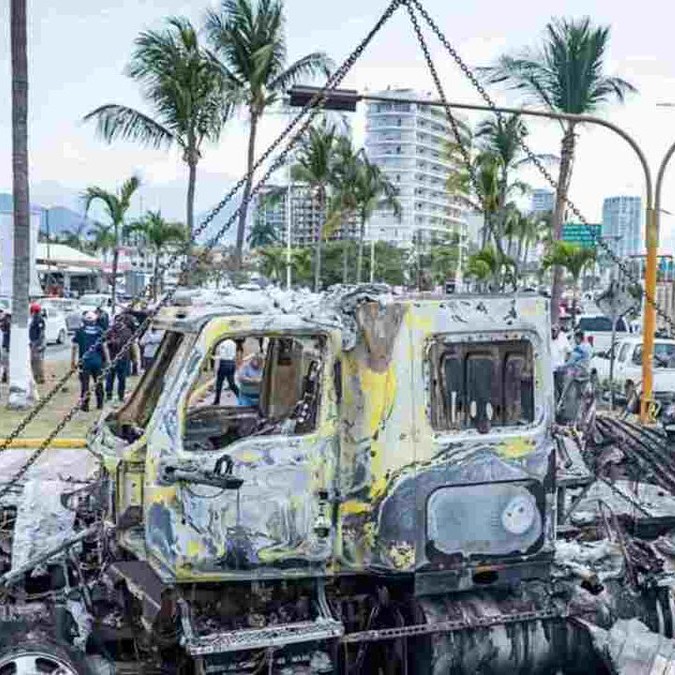
In a video report from Puerto Vallarta published on 25 February 2026, correspondent Will Grant described the aftermath of what he called a “terrifying cartel rampage” that took place on Sunday in parts of Mexico. He visited a Costco car park in the city, where lines of burnt-out vehicles were still visible as crews worked to remove debris.
BBC sees damage in Puerto Vallarta after Mexican cartel violence – BBC’s Will Grant visits Puerto Vallarta, a popular coastal resort town, to see the damage. via @BBC https://t.co/Iz8hLYS8BT pic.twitter.com/zeOTfrAKXX
— 🌊💙 Viking Resistance 💙🌊 (@BlueCrewViking) February 25, 2026
Grant said Puerto Vallarta was “trying to return to a state of normality,” with damaged areas being cleared and businesses reopening. Tourists who had been trapped or delayed during the unrest were making their way to the city’s international airport, seeking to leave or rebook trips as commercial flights resumed.
Authorities had not released full details of the confrontation at the time of the report, including how many people were injured or arrested. However, the incident fits a broader pattern seen over the past decade, in which criminal groups have used vehicle burnings and roadblocks to assert control or respond to security operations, according to Mexican government security briefings and previous official crime statistics.
What It Means for You
For U.S. and Canadian travelers, the latest update from Puerto Vallarta underscores the importance of checking official travel advice and local news before and during a trip. Even destinations that market themselves as beach getaways can experience sudden flare-ups of violence linked to organized crime.
Residents and repeat visitors may see short-term disruptions in flights, local transportation, and business hours as the city recovers. Longer term, the way authorities respond through transparent information, visible policing, and cooperation with tourism operators will shape whether confidence returns quickly. If you have an upcoming trip to Mexico, consider monitoring government advisories, registering your trip if your country offers that service, and speaking with your airline or hotel about their contingency plans.
Question for readers: When choosing a vacation spot, how do you weigh safety concerns against cost, convenience, and climate?
Sources: Video report from Puerto Vallarta by correspondent Will Grant for a major UK public broadcaster, published 25 February 2026; Mexican government crime and security statistics (latest full-year data 2023); U.S. Department of State Mexico travel advisory, updated 19 October 2023.