TL;DR
Prince William used a special radio discussion on male suicide to share his own struggles with understanding his emotions, call for more male role models to talk openly about mental health, and back a new UK-wide National Suicide Prevention Network with 1 million (about $1.3 million) from his Royal Foundation.
Why This Matters
Suicide is a major public health issue worldwide, and men are disproportionately affected. In England and Wales, suicide was the leading cause of death for people aged 20 to 34 in 2024, according to the UK Office for National Statistics. Similar patterns appear in many countries, including the United States, where middle-aged and older men also face high suicide rates.
When a senior royal like Prince William speaks openly about his own emotional struggles, it can help shift attitudes. Public figures are not a cure, but they can make it easier for others to ask for help, especially in communities where men are expected to “tough it out” in silence.
The new National Suicide Prevention Network he is backing aims to coordinate 20 organisations across the UK, bringing together data, frontline experience, and community support. The goal is to better understand why people reach a crisis point and to improve the help available before, during, and after those moments. For families and communities coping with loss, this focus on prevention and support reflects a growing recognition that suicide is often preventable with the right mix of care, connection, and timely intervention.
Key Facts & Quotes
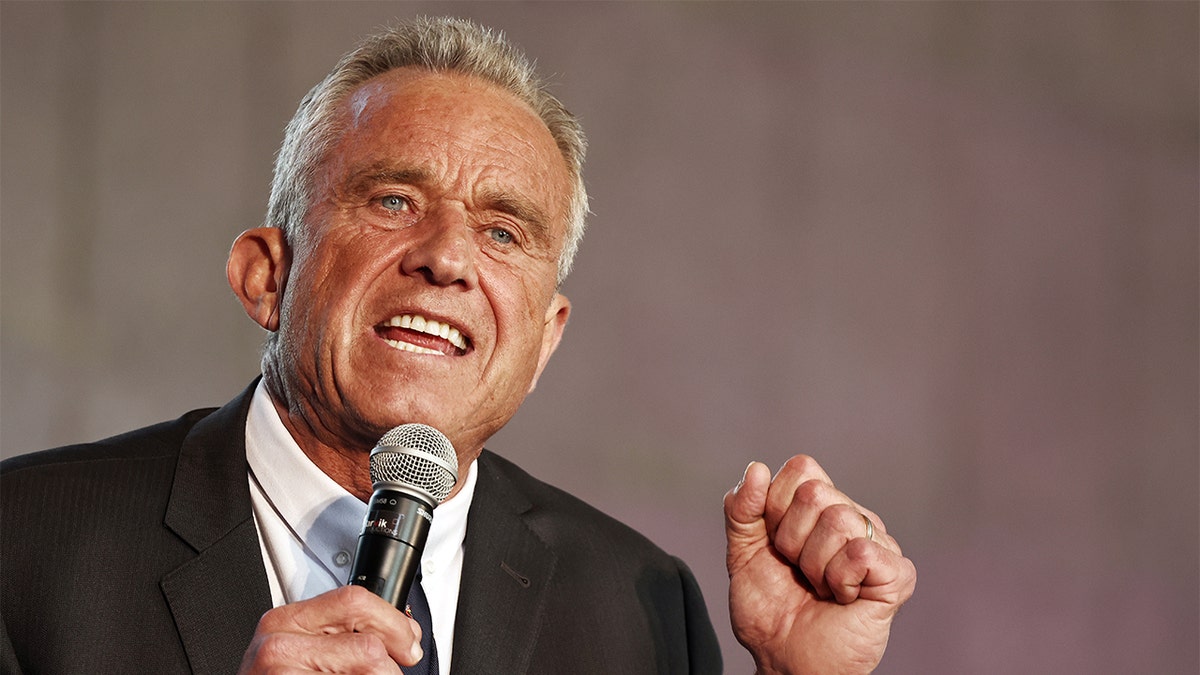
Prince William spoke during a special episode of the radio programme “Life Hacks” on a major UK youth-focused station. He joined a panel on male suicide hosted by presenter Greg James, describing the scale of the problem as a “real national catastrophe” that is not talked about enough.
Prince William discussing mental health and suicide prevention today. pic.twitter.com/pQ3t5puz55
— Prince & Princess of Wales Fan (@HRHCatherine) February 18, 2026
“I take a long time trying to understand my emotions and why I feel like I do,” he said, adding that regularly checking in with oneself is “a really important process” to work out what is behind difficult feelings. He stressed that mental health crises are often temporary: “You can have a strong mental health crisis moment, but it will pass.”
The prince said, “We need more male role models out there, talking about it and normalising it, so that it becomes second nature to all of us.” He encouraged people to “learn to love yourself and understand yourself.” He said that feeling able to talk starts with understanding what you are going through: “Part of feeling comfortable talking about mental health is understanding it.”
William also referred to his children, joking that they share “all the details” about their feelings, which he said he loves. He highlighted the role of charities and specialist organisations as “that little stepping stone” that can help someone through a difficult moment, adding that if society talks and educates more about suicide, “hopefully the idea of suicide keeps being pushed further and further away” because “tomorrow, you might wake up and you might feel very different.”
His Royal Foundation is putting 1 million toward creating a National Suicide Prevention Network across the UK. The network will bring together 20 organisations working in this field and will be chaired by Professor Ann John, a suicide prevention expert and consultant in public health medicine in Wales. The foundation describes suicide prevention as a “complex challenge” with no “one size fits all” solution, but says the network will focus on understanding root causes and supporting people affected.
What It Means for You
For many families, especially those with teenage or adult sons, this latest update highlights how common silent struggles can be. When a high-profile public figure describes taking time to understand his own emotions and needing support, it sends a signal that seeking help is not a weakness, but a normal and often necessary step.
For readers in the United States and elsewhere, the story underlines a broader shift: mental health is moving from the private shadows into everyday conversation. That may show up at work, in schools, in faith communities, or among friends and family. Watching for more open campaigns, checking in with loved ones, and knowing where local and national helplines are can all make a difference.
If you or someone you know is in emotional distress or thinking about suicide, support is available. In the U.S., you can call or text 988 to reach the Suicide & Crisis Lifeline. In the UK and many other countries, national helplines and online chat services operate 24/7. Talking to a trusted person or a health professional can be an important first step.
What kinds of conversations or support have you found most helpful when mental health feels hard to talk about?
Sources
- Special “Life Hacks” radio discussion on male mental health and suicide, UK public broadcaster, February 2026.
- Office for National Statistics (UK), “Suicides in England and Wales” statistical release, 2024.
- World Health Organization, suicide data and prevention fact sheets, 2023.