TL;DR
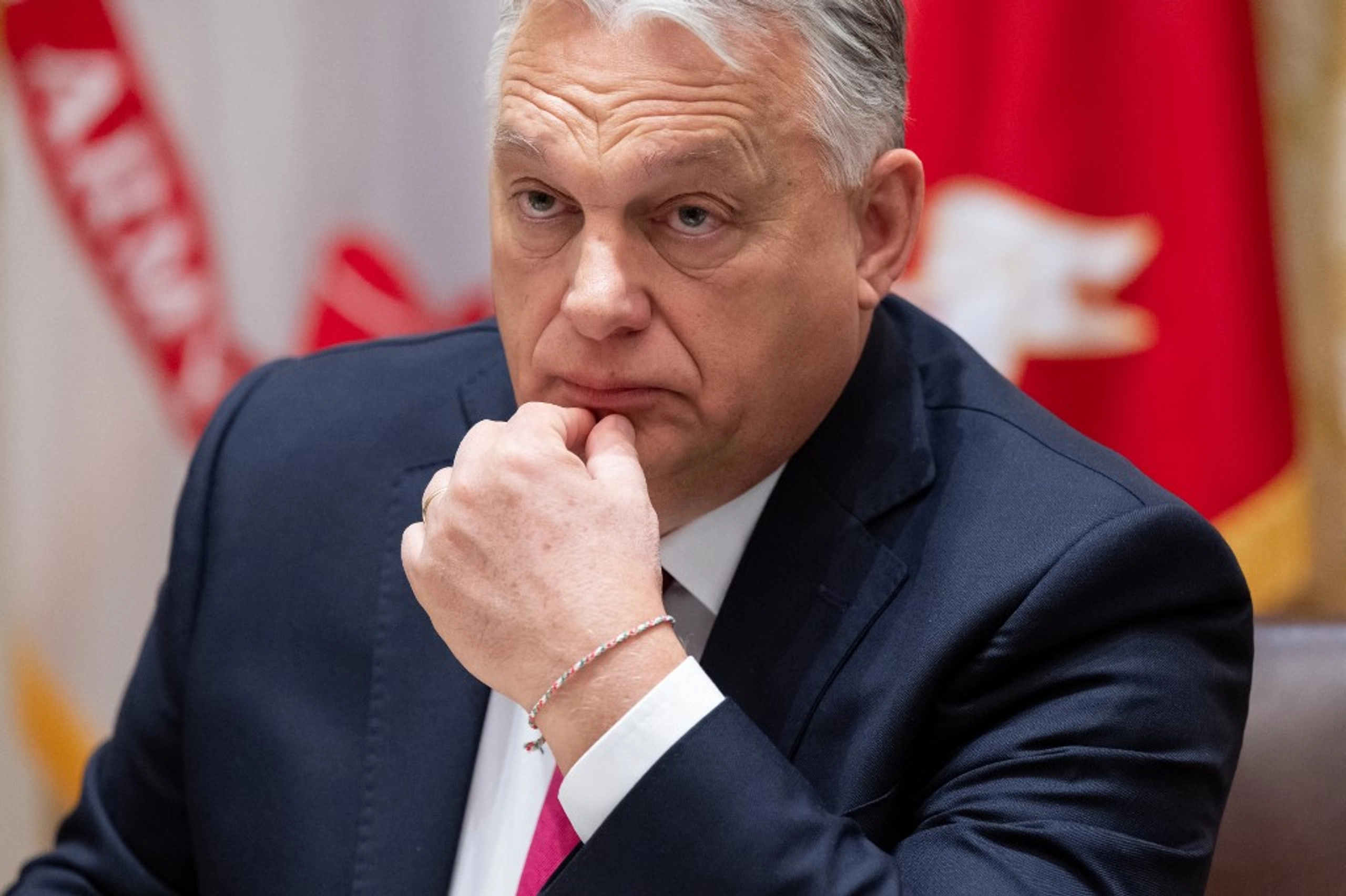
On the eve of the Munich Security Conference, NATO defense ministers met in Brussels to reassure one another after U.S. calls for Europe to shoulder more of its own defense and recent tension over President Trump’s comments about Greenland and alliance commitments.
Why This Matters
The meeting in Brussels comes just before the Munich Security Conference, one of the world’s most influential gatherings on foreign policy and defense. The tone set this week will shape how the United States and its European allies handle Russia, China, the Arctic, and broader global security challenges.
For decades, the United States has been the backbone of NATO’s military power, especially in nuclear deterrence, air power, and logistics. According to remarks cited in the Brussels meeting, Washington now wants European allies to carry a greater share of the conventional military burden in Europe while the U.S. focuses more on its own borders, Latin America, and China’s rapid military buildup.
Any shift in that balance matters well beyond diplomats and generals. It affects how quickly NATO could respond to a crisis, whether Europe feels secure enough to invest in its own defenses, and how adversaries read the alliance’s resolve. With the Munich conference report warning of “wrecking ball politics” and a post-1945 order “under destruction,” the question of whether the U.S. remains a fully reliable ally is moving from background concern to center stage.
Key Facts & Quotes
NATO defense ministers met in Brussels ahead of Europe’s largest annual security gathering in Munich, seeking to “calm nerves and stiffen spines,” according to PBS correspondent Nick Schifrin’s report on the session. The alliance has been unsettled by recent American rhetoric, including President Donald Trump’s complaints about NATO burden-sharing and his comments tying U.S. defense of Greenland to U.S. ownership claims.
Elbridge Colby, the U.S. undersecretary of defense for policy, told allies that Washington wants a “3.0 NATO” built on partnership rather than dependency. He emphasized that the United States would maintain its “extended nuclear deterrent,” but said “Europe should field the preponderance of the forces required to deter and if necessary defeat conventional aggression in Europe,” according to the closed-door briefing described in the PBS report.
Colby also indicated that the U.S., which officials say now provides nearly half of NATO’s overall military posture, wants to reduce its share to less than one-third over roughly five years. In response to controversy over Greenland, allies agreed to a new initiative, informally referred to as “Arctic Century,” to increase surveillance and presence near Greenland and across the broader Arctic, amid growing interest from both Russia and China.
In Munich, world leaders are gathering for the annual security conference. Its latest report describes current trends as “wrecking ball politics” and says the U.S.-led international order created after 1945 is “under destruction,” underscoring fears that long-standing rules and alliances may be weakening.
Stay updated with my RSS tech feed… European leaders face tough talks at Munich Security Conference European leaders return to the Munich Security Conference facing tough discussions on Ukraine, Greenland and NATO. ,via CircleBoom https://t.co/resDx7XsY0 pic.twitter.com/SX3W7hDT4n
— Mustafa Selman ÖNAL (@mselmanonal) February 13, 2026
What It Means for You
For most people, NATO meetings and the Munich Security Conference can feel distant. But the decisions and signals from these gatherings influence where U.S. troops deploy, how defense dollars are spent, and how stable Europe remains – all of which affect the broader global economy, energy markets, and, ultimately, jobs and retirement savings.
If European allies step up defense spending and responsibilities, U.S. taxpayers could eventually see less pressure for American forces to remain heavily concentrated in Europe. At the same time, any perception that the United States is pulling back too quickly could invite miscalculation from rivals and increase the risk of crises that draw Washington back in.
In the coming months, watch for whether European governments announce concrete new defense plans, and how U.S. leaders talk about NATO during election-season debates. Those signals will help show whether this is a managed adjustment within the alliance or the start of a more serious split.
How do you think the United States should balance supporting NATO with focusing more on its own regional priorities?
Sources: PBS NewsHour segment and transcript, “Strained U.S. ties loom over NATO leaders ahead of Munich Security Conference,” reported by Nick Schifrin, aired Feb. 12, 2026; Munich Security Conference annual report (as cited in the PBS NewsHour transcript for the 2026 conference cycle).