TL;DR
Federal agent’s fatal shooting of Minneapolis nurse Alex Pretti, captured on video and disputed by Minnesota’s governor, has prompted a court order and intense scrutiny.
Why This Matters
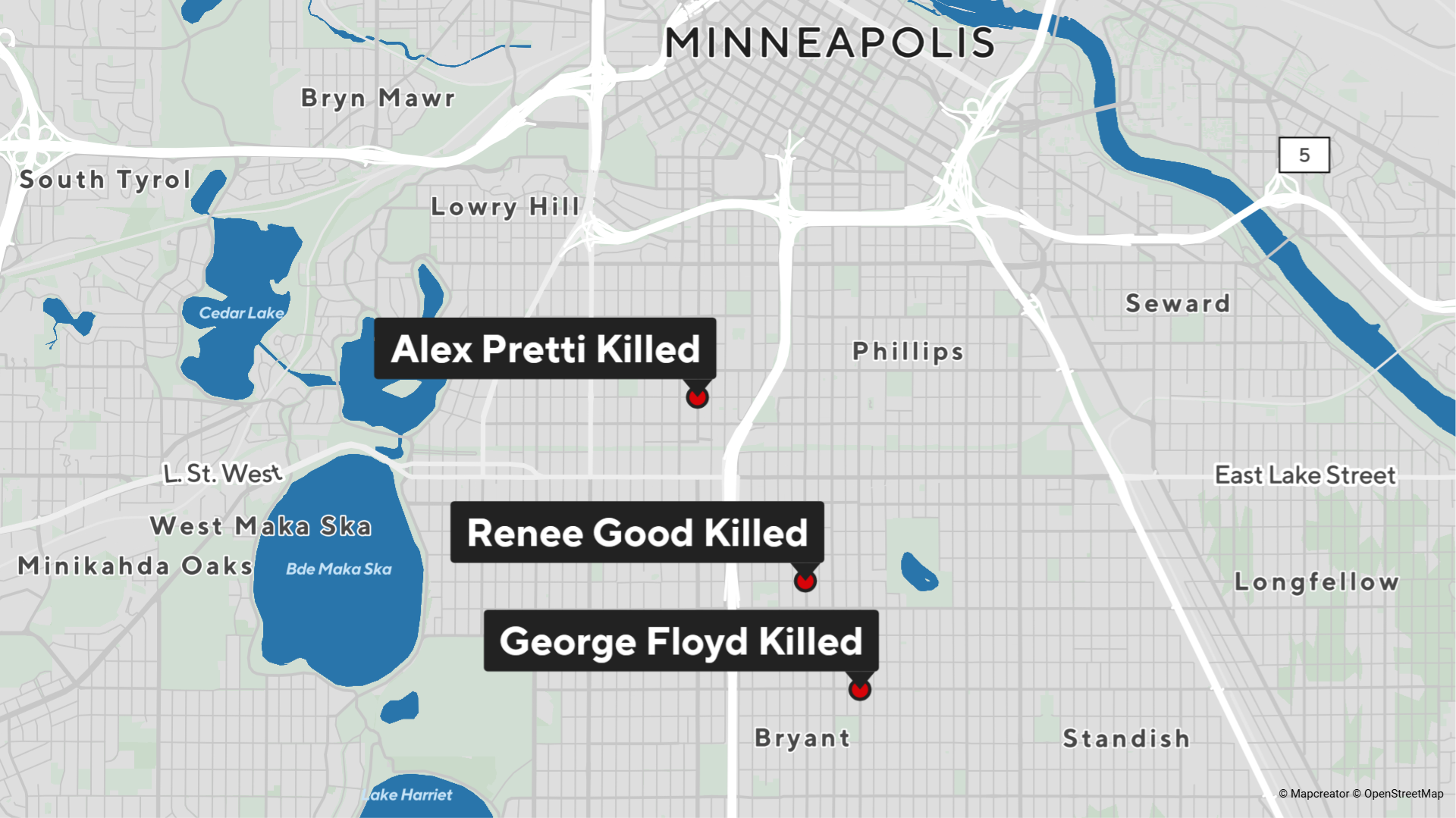
Federal use-of-force cases often become flashpoints over policing, race and immigration enforcement. The killing of 37-year-old Alex Jeffrey Pretti in south Minneapolis comes amid what local officials describe as a surge in federal immigration operations in the city, less than three weeks after another fatal shooting by an immigration agent.
Questions about whether an agent misidentified a cellphone as a gun echo other high-profile incidents that have shaken public trust in law enforcement. They also highlight ongoing debates over how federal agents operate in local communities and how quickly evidence is preserved and released.
The temporary restraining order issued by a federal judge, barring the Department of Homeland Security (DHS) from altering or destroying potential evidence, underscores the legal stakes. How this case is investigated and communicated could influence national conversations about accountability for federal officers, the role of video in such probes, and relationships between Washington and state leaders.
Key Facts & Quotes
According to court filings and official statements, federal agents fatally shot Pretti, an intensive care nurse at the Minneapolis VA hospital, on Saturday morning in south Minneapolis.
Pretti was identified as the person shot by a U.S. Border Patrol agent. DHS said the agent acted in self-defense after attempting to disarm Pretti during a confrontation. Specific details of that alleged struggle have not been fully released.
Minnesota Governor Tim Walz, after reviewing multiple videos of the encounter, publicly rejected the self-defense account, calling it “nonsense.” He has urged a thorough and transparent investigation.
Video footage from the scene, recorded by bystanders and shared widely online, appears to show Pretti holding a cellphone, not a gun, at the moment he is shot. In the footage, an agent emerges from a scuffle holding a firearm and turns away from Pretti when the first shot is fired.
Less than three weeks earlier, an Immigration and Customs Enforcement (ICE) agent fatally shot Renee Good in a separate incident in Minneapolis. Community advocates say the two deaths, combined with stepped-up immigration enforcement, have fueled protests and fears among immigrant and mixed-status families.
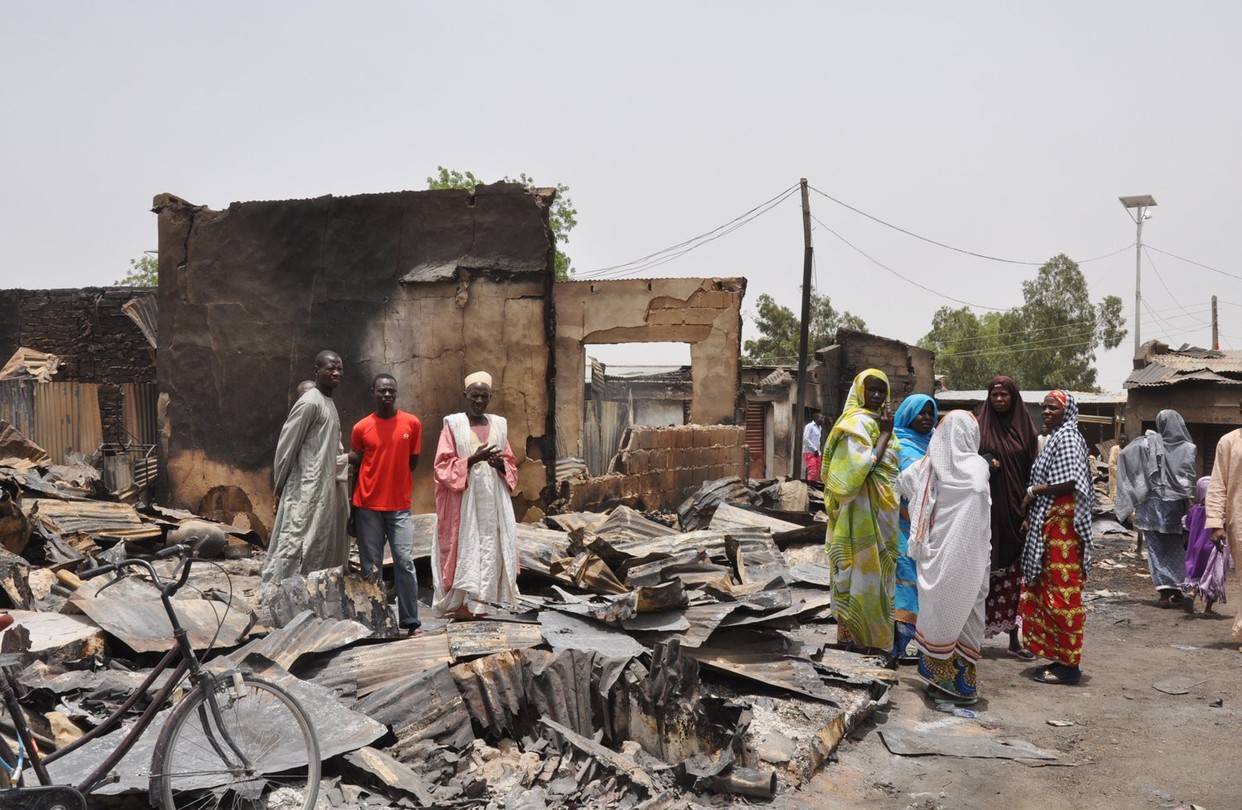
Anti-ICE demonstrators hold a vigil for Alex Pretti, the man fatally shot by federal immigration enforcement the previous day in Minneapolis, United States https://t.co/boEFjdBMTI
📸: Arthur Maiorella pic.twitter.com/iCyKyldLIG
— Anadolu Images (@anadoluimages) January 26, 2026
On Saturday, U.S. District Court Judge Eric Tostrud granted a temporary restraining order against DHS, barring the department and its agents from altering, destroying or withholding evidence connected to Pretti’s killing while investigations proceed.
Sources: U.S. District Court for the District of Minnesota order (Jan. 25, 2026); public statements by the Department of Homeland Security and Minnesota Governor Tim Walz (Jan. 25-26, 2026).
What It Means for You
For residents of Minneapolis and other U.S. cities, the latest update in this case raises practical questions about how federal agents operate in neighborhood settings and how quickly facts become public after a shooting. The court order to preserve evidence suggests that video, body-camera records and witness accounts will be central to what happens next.
People with immigrant family members or who work in health care may feel this case especially sharply: Pretti was a nurse, killed during a period of heightened enforcement that community groups say has spread fear. In the coming weeks, watch for announcements on which agency will lead the investigation, whether any footage is released, and if federal or state authorities change policies on how immigration raids are carried out.
How should cases like this be investigated and communicated so that both safety and public trust are protected?