Why This Matters
A growing number of teenage boys are chasing fast, dramatic body transformations they see on social media, sometimes using powerful steroids, including drugs never approved for humans. Health experts warn that this trend is emerging far beyond elite sports and into everyday high schools and gyms.
Anabolic steroids can permanently damage the heart, liver, and kidneys, and they are linked to mood swings, aggression, and depression. Some products highlighted online, such as trenbolone, were created for livestock and classified as controlled substances, making them illegal to possess or sell without a prescription.
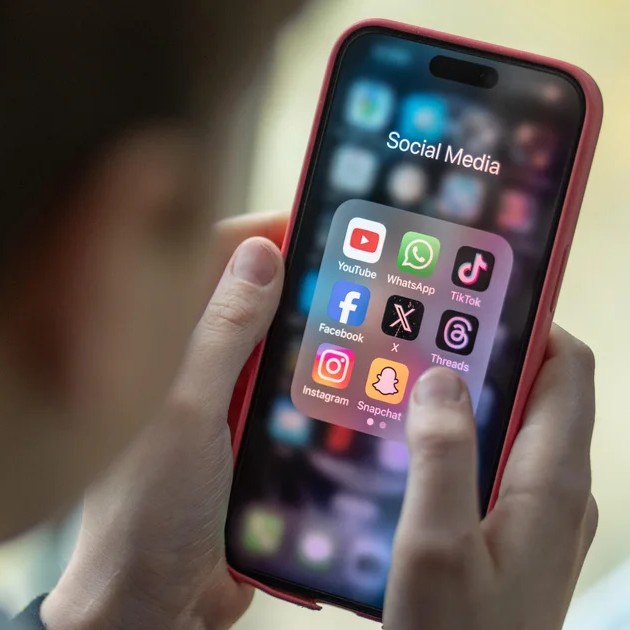
At the same time, image-driven platforms reward extreme physiques, rapid “glow-ups,” and constant self-promotion. Public health researchers and pediatricians say this mix of viral content, easy online access, and teenage insecurity is creating a new, under-recognized front in youth mental and physical health.
Key Facts and Quotes
In a recent report, CBS News profiled 16-year-old high school student Zaid Laila from suburban Dallas, who has spent about 10 months using anabolic steroids. He documented his weight loss and muscle gains online, telling the network, “Why wait 10 years … when I could do it in less than a year,” and openly attributing his change to “a lot of steroids and a lot of working out.”
Laila said his regimen has included trenbolone, often called “tren,” a drug developed to bulk up cattle. In the United States, trenbolone is a Schedule III controlled substance and has never been approved for human use. Pediatrician Dr. Jason Nagata of the University of California, San Francisco, told CBS News, “Trenbolone, because it’s so powerful, has even more significant side effects. There is no safe [human] indication for this animal drug.”
Nagata noted that steroid use once centered on competitive athletes but now increasingly involves boys who simply want to look better. A 2023 analysis by the Center for Countering Digital Hate found TikTok videos under certain hashtags promoting steroid-like drugs were viewed at least 587 million times in the U.S. between 2020 and 2023, with most views from users ages 18 to 24. Laila said social media images “make you want to do it,” adding that buying the drugs is “not hard at all.”
For Don Hooton Jr., the dangers are personal. His younger brother, Taylor, used anabolic steroids in high school after pressure to get bigger for sports, then died by suicide in 2003 after stopping the drugs. Hooton now runs the Taylor Hooton Foundation, which educates youth about performance-enhancing drugs. “We’re seeing kids today asking if trenbolone is safe,” he said, warning that “[the] drug dealer has gone from a dark alley … to the safe four walls of our home.”
What It Means for You
Health experts say parents and caregivers should watch for warning signs, including obsessive workout routines, sudden changes in diet, avoiding family meals, or social withdrawal tied to gym time or body image. Nagata told CBS News that well-meaning adults sometimes praise rapid physical changes without realizing steroids or similar substances may be involved.
Professional groups encourage open conversations about appearance, fitness, and supplements, and suggest families consult pediatricians or mental health professionals if they suspect steroid use. Yet, as Laila told CBS News, “I’m still going to do [steroids]. I know what can come with it,” highlighting how powerful social and online pressures can be. Policymakers, schools, and tech platforms are likely to face growing calls to address how performance-enhancing drugs are promoted and sold to young people.
How should parents, schools, and social media companies share responsibility for reducing the appeal and availability of steroids to teenagers?
Sources
CBS News report and interview by Adam Yamaguchi, published April 6, 2026; Center for Countering Digital Hate report on TikTok and steroid-related content, 2023; American Academy of Pediatrics clinical report on performance-enhancing substances in youth, 2016 (reaffirmed 2020); National Institute on Drug Abuse information on adolescent anabolic steroid use, accessed 2024.