TL;DR
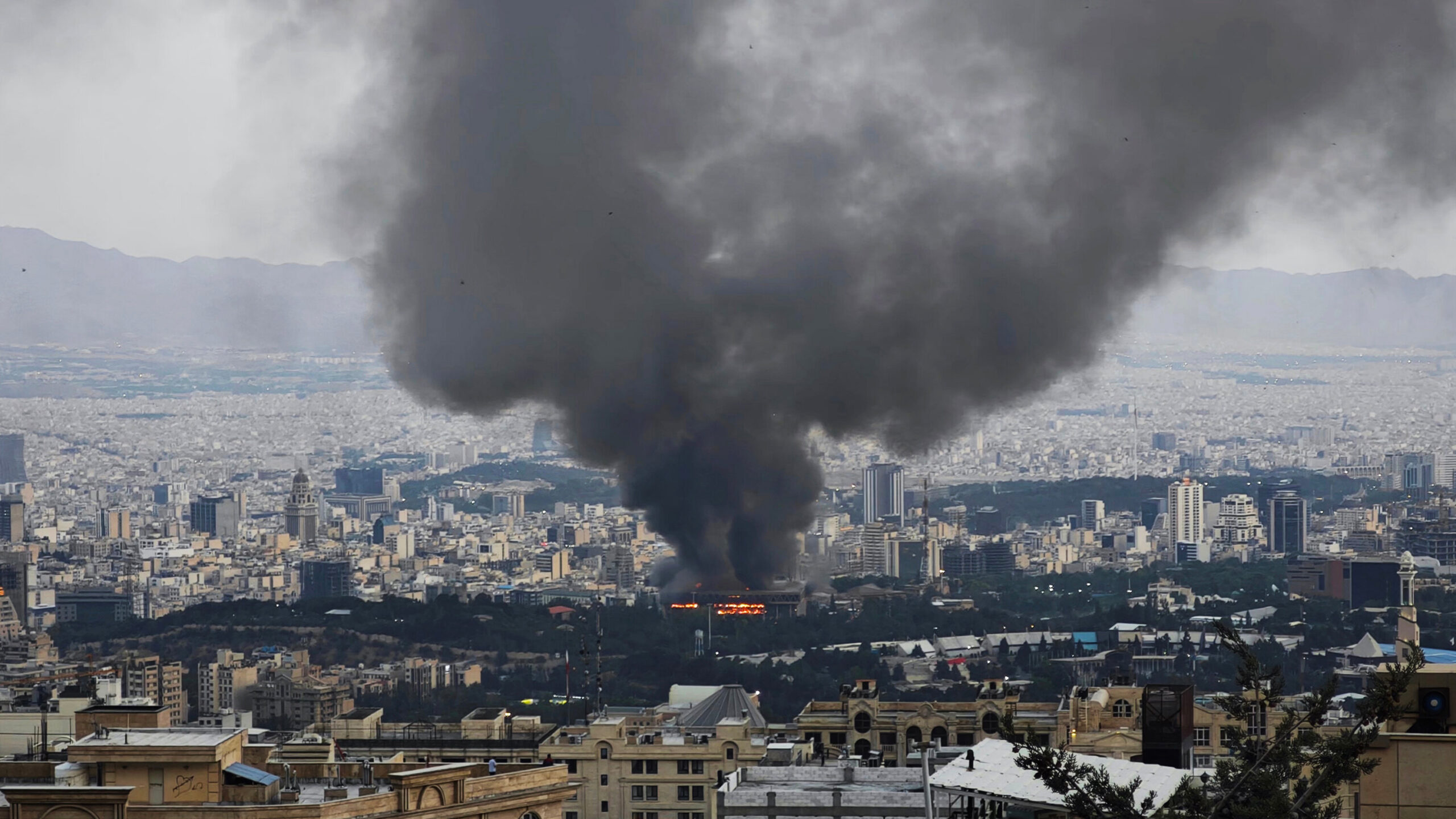
From the High Plains to Hawaii, the United States is facing simultaneous blizzards, severe storms, early-season heat and flooding, disrupting travel, fueling wildfires, and testing emergency services from the Upper Midwest and East Coast to the West and Pacific islands.
Why This Matters
This latest update on U.S. weather shows how quickly conditions can swing from snow and ice to fire and flood. Tens of millions of people are under some kind of extreme weather alert, affecting aviation, highways, power grids, and emergency services. For many families, that means potential travel delays, school and work disruptions, and difficult decisions about whether to stay put or evacuate.
Scientists at agencies such as NOAA and the U.N. climate panel say a warming climate is increasing the odds of both intense heat waves and heavier rainfall, even as cold-season storms can still be severe. That does not mean this specific storm system is fully understood yet, but the overlapping hazards highlight how risks can compound across regions simultaneously.
For older adults, people with health conditions, and those living in rural areas, these extremes can be especially dangerous. Heat strains the heart and lungs, blizzards can cut off access to care, and floodwaters can trap residents with little warning. As emergency managers in several states activate the National Guard, this week is an important test of preparedness plans built up over recent years.
Key Facts & Quotes
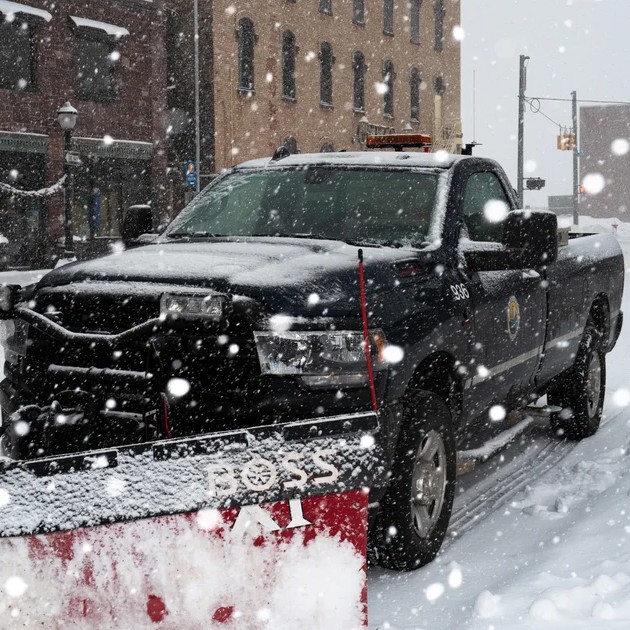
According to the National Weather Service, more than 11.5 million people are under blizzard warnings, 4.3 million under winter storm warnings, and about 20.6 million under an extreme heat watch. A rapidly intensifying storm is producing blizzard conditions from eastern South Dakota through Wisconsin into Michigan’s Upper Peninsula, with over 20 inches of snow reported in parts of southeastern Minnesota and western Wisconsin. More than 600 flights were canceled Sunday at Minneapolis-Saint Paul International Airport, with additional cancellations in Detroit, according to FlightAware.
State officials in southern Minnesota issued a no-travel advisory, and Governor Tim Walz activated the Minnesota National Guard to support emergency operations, CBS News reported. Snowplow driver Aaron Haas in Marshfield, Wisconsin, called it one of the worst storms he had seen in years, saying, “You can’t see anything when you’re on the highways outside of the city.” The same system is driving a powerful cold front, with forecasters warning of an enhanced-to-moderate risk of severe storms from the Lower Great Lakes through the Ohio and Tennessee valleys into the Mid-Atlantic.
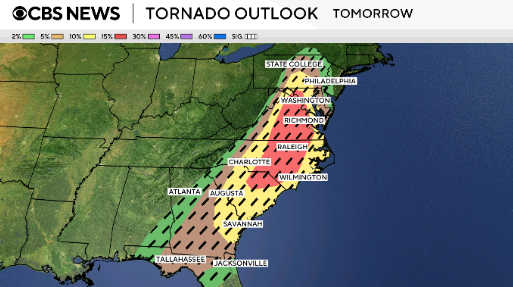
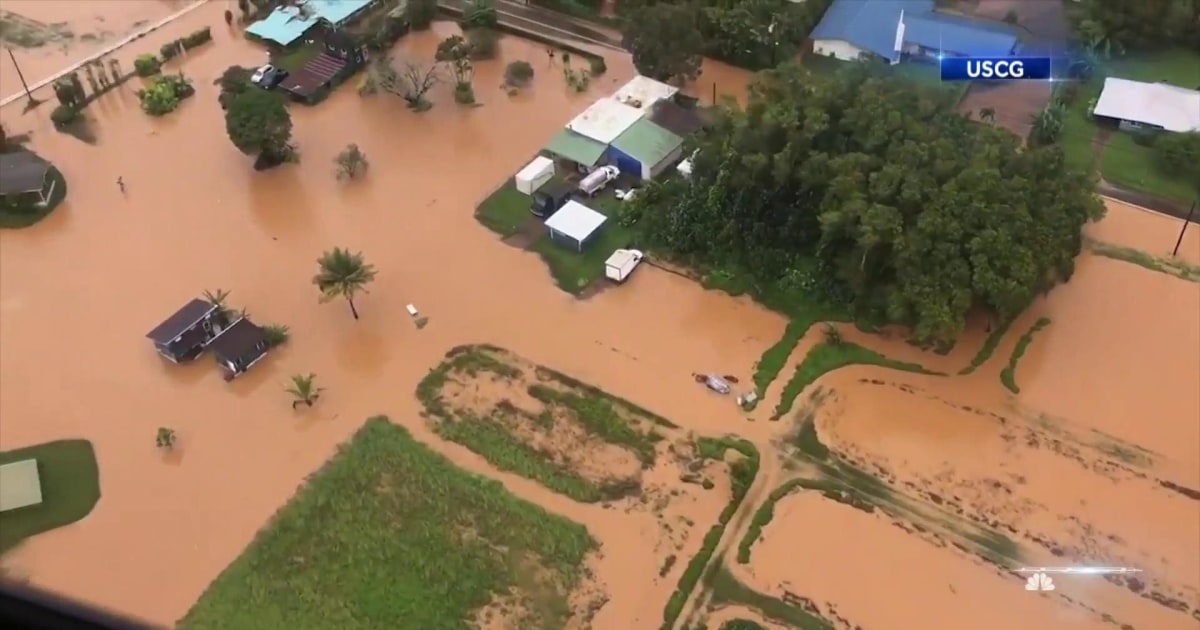
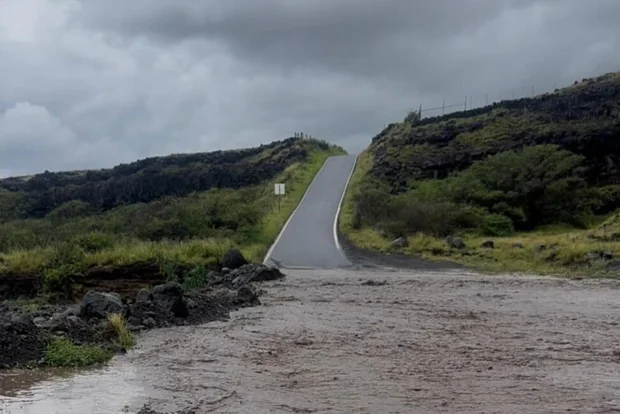
The National Weather Service says storms on Monday could. damaging winds, bring tornadoes, and flash flooding from parts of South Carolina to Maryland, with a lower but real risk stretching north into New York and south toward northern Florida. In the West, a strengthening high-pressure ridge is expected to push temperatures into the 90s and 100s in some desert areas, increasing wildfire danger. Nebraska’s Emergency Management Agency reports about 30 National Guard members deployed to fight wildfires that have burned more than 900 square miles and caused one death. In Hawaii, the Hawaii Emergency Management Agency and county officials report more than 30,000 customers without power and up to 20 inches of rain on parts of Maui, where Mayor Richard Bissen warned of “flooding, landslides, sinkholes, debris, and downed power lines.”
What It Means for You
For many readers, the most immediate impacts will be travel and safety. Flights through key hubs like Minneapolis and Detroit may be delayed or canceled, while highways in snow and flood zones could close with little notice. Checking airline alerts, state transportation websites, and local weather updates before leaving home is crucial.
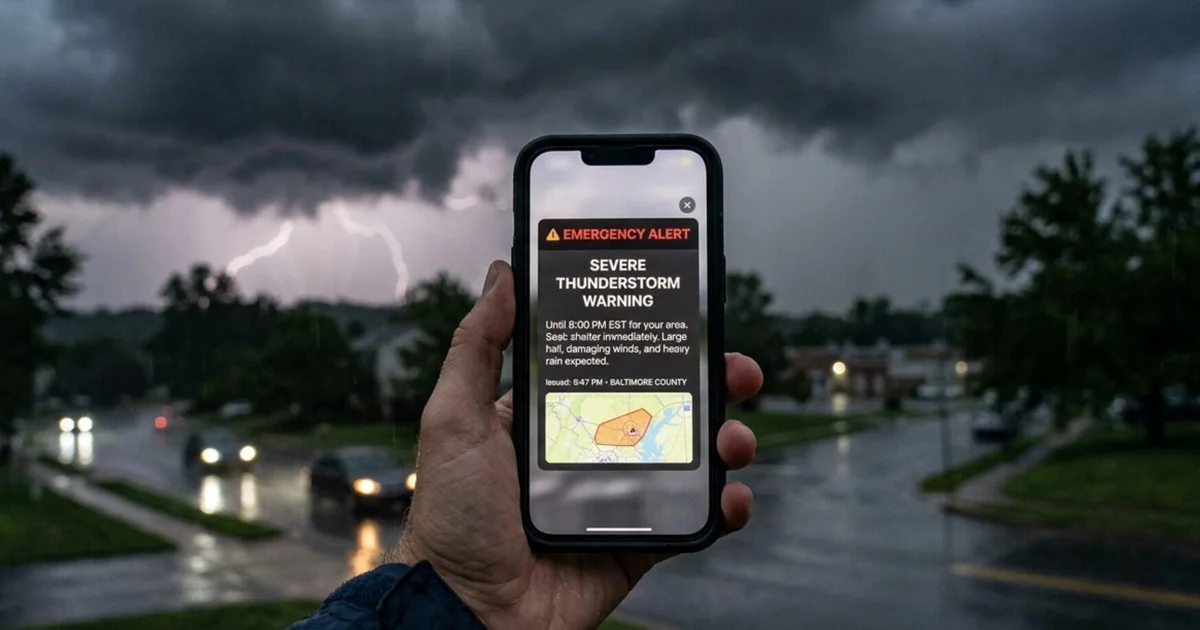
Health risks will also vary by region. In the blizzard and severe-storm zones, officials urge people to limit driving, carry winter gear, and avoid flooded roads. In the West, heat can be dangerous for older adults, outdoor workers, and those without reliable air conditioning, so staying hydrated and checking on neighbors matters.
Finally, this kind of overlapping severe weather is a reminder to review basic preparedness: flashlights, batteries, a few days of food and water, and a written list of medications and contacts in case power or cell service fails. Insurance coverage for wind, flood, and wildfire damage can also be worth revisiting with a trusted agent.
How prepared do you feel for extreme weather events like blizzards, floods, heat waves, or wildfires where you live?
Sources:
- National Weather Service.
- Nebraska and Hawaii emergency management agencies.
- PowerOutage.us; FlightAware.
- CBS News (reports March 14-16, 2026).