TL;DR
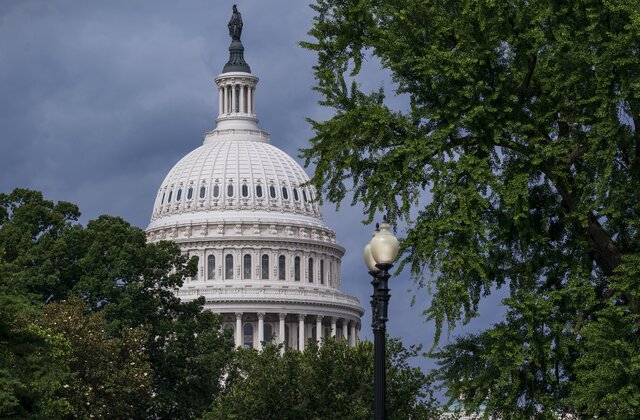
A clash in Washington over how to oversee federal immigration officers has triggered a partial shutdown of the Department of Homeland Security, with most staff still working but unpaid as lawmakers remain on recess and talks are stalled.
Why This Matters
The Department of Homeland Security (DHS) sits at the center of everyday security in the United States, from airport screening and coastal patrols to disaster response and immigration enforcement. When its funding lapses, those missions do not simply stop. Instead, most employees keep working without pay, creating strain on families and communities that rely on them.
This latest shutdown was sparked not by overall spending levels, but by a sharp dispute over how immigration officers operate in the field, especially after the fatal shootings of two U.S. citizens in Minneapolis by federal officers last month. Democrats are pressing for more transparency and safeguards; Republicans warn that some of those rules could put officers and their families at risk.
The standoff illustrates how immigration and border policy remain deeply divisive political issues. It also shows how core government functions – from the Transportation Security Administration (TSA) to the Coast Guard – can be pulled into broader fights. For many Americans, the key questions are how long the shutdown will last and whether it will disrupt travel, safety, and paychecks.
Key Facts & Quotes
A partial federal government shutdown began Saturday after congressional Democrats and the administration failed to agree on a bill to fund DHS through September, according to a national news report published Feb. 15, 2026. Lawmakers have left Washington for a scheduled recess until Feb. 23, with little sign of movement from either side.
The funding lapse affects DHS agencies, including TSA, the Federal Emergency Management Agency (FEMA), the U.S. Coast Guard, the Secret Service, Immigration and Customs Enforcement (ICE), and Customs and Border Protection (CBP). About 90% of DHS employees are expected to continue working but without pay until funding is restored, raising concerns about missed paychecks and financial hardship. The U.S. experienced a record 43-day government shutdown last year.
Democrats are tying new funding to changes in immigration enforcement. They want federal officers to clearly identify themselves, remove masks during operations, display unique identification numbers, wear body cameras, and obtain judicial warrants before making arrests on private property. Senate Democratic leader Chuck Schumer said they are asking agents to follow rules similar to those used by many police forces, saying, “They’re not crazy. They’re not way out. They’re what every police department in America does.”
The White House’s top border official, Tom Homan, said the administration will not accept those conditions. Republican Senator Markwayne Mullin of Oklahoma indicated he could support body cameras and more training, but opposes forcing officers to uncover their faces and clearly show their identities, noting some have faced online harassment. “What are you going to do, expose their faces so you can intimidate their families?” he asked, arguing that ICE needs to be able to “do their job.”
BREAKING: Partial DHS shutdown enters Day 3 as Schumer blasts ICE as ‘rogue force’ amid demands for oversight reforms after fatal shootings. Trump vows no concessions; talks stall until Congress returns Feb 23. Tensions rise ahead of 2026 midterms. #DHSShutdown #Immigration pic.twitter.com/XlMXCH8Je7
— Eagle0ne (@Eagle0ne0) February 16, 2026
Republican Senator Katie Britt of Alabama, a close ally of President Donald Trump, criticized Democrats for ending talks rather than agreeing to a short-term extension of DHS funding. She said Trump, who campaigned on strict immigration enforcement in 2024, intends to continue an aggressive deportation strategy. DHS has reported more than 675,000 deportations since its return to office last year and says about 2.2 million others have “self-deported,” reflecting the administration’s focus on what it calls interior enforcement.
What It Means for You
For most Americans, the immediate effects may be subtle but real. Airports remain open, and TSA officers are still screening passengers, but they are doing so without pay, which can hurt morale and, over time, could lead to staffing strains or longer lines. The Coast Guard continues patrols, and the Secret Service continues protection duties, again with staff working unpaid until a deal is reached.
Disaster response through FEMA is still operating, but some planning, training, and grant programs could be delayed if the shutdown stretches on. Families of DHS employees may have to juggle bills and savings while waiting for back pay. The longer the standoff lasts, the greater the risk of service disruptions and broader economic ripples in communities with large federal workforces.
Looking ahead, the key moments will come when Congress returns from recess and negotiators decide whether to compromise on oversight rules, pass a short-term funding patch, or allow the shutdown to deepen. For voters, the outcome may shape how they view both parties’ handling of immigration and basic government operations in this election cycle.
What safeguards or trade-offs do you think should guide how immigration officers operate while still allowing them to do their jobs effectively?
Sources: Primary information drawn from contemporaneous national reporting and on-the-record public statements by DHS officials and members of Congress on Feb. 15, 2026.