Why This Matters
The Department of Homeland Security shutdown has reached 45 days, making it the longest in the agency’s history, and it is likely to continue with Congress away on a two-week recess. DHS oversees airport screening, border enforcement, cybersecurity, and disaster response, so a prolonged funding lapse carries wide national security and economic risks.
While most of the federal government has been funded in recent months, DHS remains an exception. The impasse has become a test of how Congress handles immigration and border policy, with Democrats pushing for changes at immigration agencies and Republicans insisting on full funding for all parts of DHS, including Immigration and Customs Enforcement.
Extended shutdowns can erode morale among federal workers, delay critical programs, and weaken public confidence in government services. This one is unusual because it isolates a single, security-focused department, forcing officials to juggle emergency workarounds while lawmakers remain deadlocked.
Key Facts and Quotes
According to reporting from Washington, the current showdown began after two deadly shootings by federal agents in Minneapolis heightened Democratic demands for reforms at immigration agencies. Senate Democrats and the White House had been negotiating changes to Immigration and Customs Enforcement, but when talks stalled, the Senate shifted to a narrower plan to fund most of DHS without ICE.
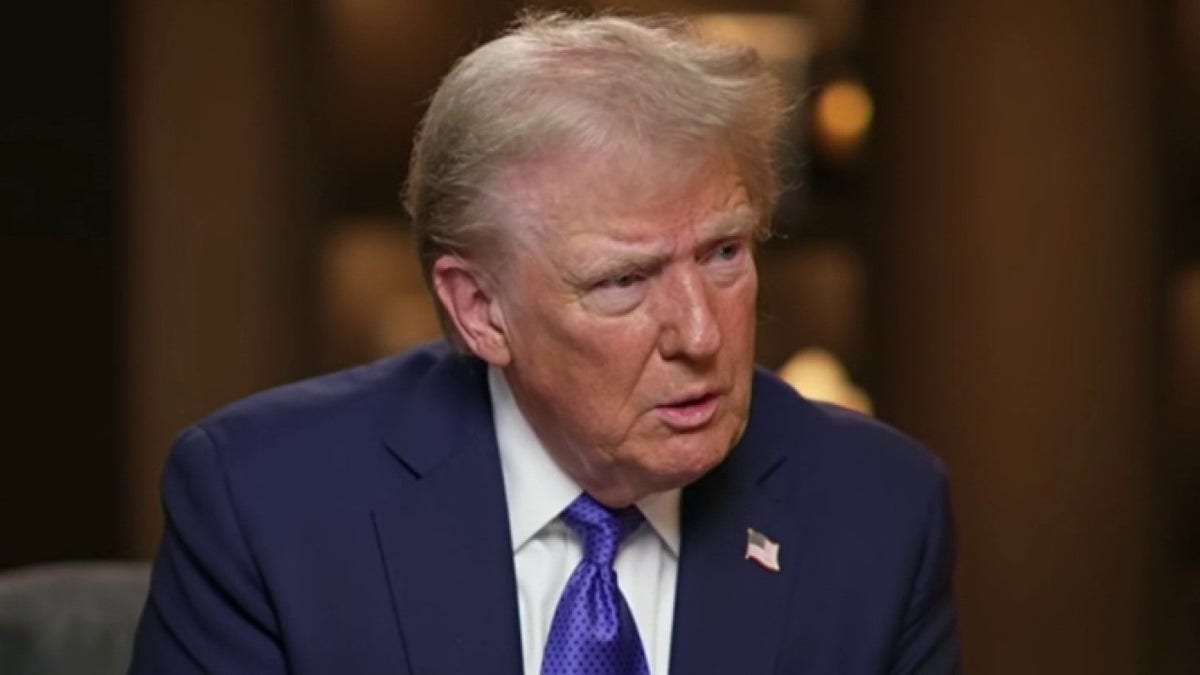
After President Trump announced he would sign an executive order to pay Transportation Security Administration officers, the Senate unanimously approved a DHS funding bill early Friday. That Senate measure excluded money for ICE and some Customs and Border Protection operations, reflecting concern about the strain on other DHS branches such as TSA.
House Republicans rejected the Senate strategy. Speaker Mike Johnson of Louisiana called the Senate’s approach a ‘joke’ and instead advanced a 60-day stopgap bill to fund the entire department, including ICE, on a temporary basis. The House approved that continuing resolution late Friday with support from only three Democrats, leaving the two chambers with competing plans.
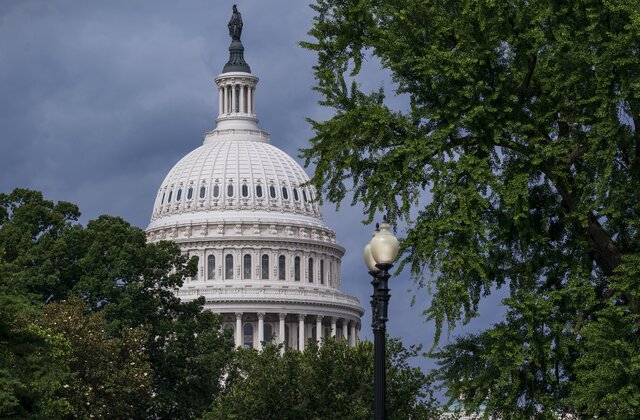
Neither chamber is scheduled to return to Washington until the week of April 13, meaning DHS will remain shut down without a compromise. Senate Majority Leader John Thune told Republicans he is working with Democratic leader Chuck Schumer to see if there is room for agreement, but a Schumer spokesperson said Democrats will not accept anything less than the bill the Senate passed unanimously. With 53 Republicans in the Senate, Democratic votes are needed to reach the usual 60-vote threshold for major legislation.
Pressure is mounting for lawmakers to cut their recess short. Republican Sen. Mike Lee of Utah urged leaders on social media to reconvene, arguing that waiting for a deal with Schumer applies no pressure on Democrats and saying, “We cannot reward unprecedented obstruction with two-week recesses.” Tom Homan, the White House border adviser, said on a Sunday news program that members are ‘on vacation right now while tens of thousands of DHS employees are not being paid’ and urged the president to push Congress back into session.
BREAKING: Trump wants Congress to cut short Easter recess, return to Washington to resolve DHS shutdown, White House press secretary Karoline Leavitt says https://t.co/kbsLq3UGhu pic.twitter.com/1zAJzUtQiW
— Fox News (@FoxNews) March 30, 2026
Homan noted that TSA workers should begin receiving paychecks on Monday, thanks to the president’s move, and said ICE agents are temporarily assisting TSA at airports until operations stabilize. ‘We will be there as long as they need us, until they get back to normal operations and feel like those airports are secure,’ he said.
What It Means for You
For travelers, the executive order requiring TSA officers to report for duty reduces the immediate risk of severe airport disruptions, but the longer the shutdown continues, the more stress and uncertainty frontline workers may face. Essential DHS personnel, including many law enforcement and security staff, are typically required to work during shutdowns even when pay is delayed.
For communities, the funding fight could affect how immigration enforcement and border security are prioritized in the weeks ahead. Until Congress reconciles the House and Senate approaches, DHS will operate under emergency conditions and partial workarounds, and Americans may see delays, shifting resources, or last-minute policy adjustments as leaders search for a long-term deal.
How do you think Congress should balance immigration policy demands with keeping key security agencies like DHS fully funded and stable?
Sources
- CBS News reporting by Kaia Hubbard, Mar. 30, 2026.
- Public remarks and social media posts by President Trump, Sen. Mike Lee, Speaker Mike Johnson, Sen. John Thune, Sen. Chuck Schumer’s spokesperson, and White House adviser Tom Homan, as quoted in the reporting.