TL;DR
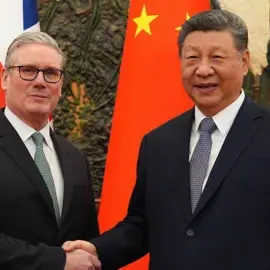
UK Prime Minister Keir Starmer’s visit to China delivered new investment pledges, visa-free travel and tariff cuts on Scotch whisky, signalling a cautious reset in UK-China relations despite U.S. pressure.
Why This Matters
The visit marks the first trip to China by a UK prime minister since 2018 and comes at a time of slower growth in Britain and rising trade tensions between Washington and Beijing. For London, deeper economic links with the world’s second-largest economy are seen as one way to support jobs, exports and investment without abandoning security concerns.
For Beijing, welcoming a major European economy and close U.S. ally underscores that China still has partners in the West even as disputes with Washington over tariffs, technology and security continue. The trip fits a broader pattern of “middle power” countries – such as France, Canada and Finland – seeking to balance strong ties with the United States against the need to keep access to China’s huge market and fast-growing clean energy sector.
The outcome matters beyond Europe. The United States has been threatening steep tariffs on allies that deepen cooperation with China. How Britain manages this reset will be closely watched in other capitals weighing similar choices, and by global companies trying to navigate an increasingly fragmented trading system.
🚨🇬🇧🇨🇳 UK–China Ties Spark US Warning#DonaldTrump has warned it is “very dangerous” for the UK to do business with China, as PM Keir Starmer landed in Shanghai during his first #China visit since 2018.
Starmer says #UK-China relations are in a “good, strong place”, announcing… pic.twitter.com/CXRozTLt1z
— AE News (@aenewsEnglish24) January 30, 2026
Key Facts & Quotes
Starmer’s trip focused on trade, investment and practical cooperation rather than a sweeping free trade deal. According to official readouts from the visit, both sides agreed to revive dialogue on services, healthcare, green technology and finance, aiming to improve market access for companies on both sides.
Pharmaceutical giant AstraZeneca announced plans to invest $15 billion in China over the next four years, expanding research and drug manufacturing. It is the company’s largest commitment to China so far and reinforces the country’s role in global medicine supply chains.
In energy, UK-based Octopus Energy will enter the Chinese market via a partnership with local firm PCG Power to build a digital platform for trading electricity. The project is designed to make the power system more efficient and support China’s push into renewables. Octopus’s chief executive Greg Jackson, part of the business delegation, said China’s scale had helped make solar, wind and batteries cheaper, adding there is now “a huge opportunity for Britain to succeed” by using these technologies to cut electricity costs.
China also agreed to halve tariffs on Scotch whisky. The UK government estimates this could add around 250 million to the British economy over five years. Starmer called Scotch distilleries “the jewel in Scotland’s crown” and described the tariff move as proof that “pragmatic, hard-headed international engagement brings benefits at home.” Scotch whisky exports total more than 5 billion a year, and China has recently been one of the industry’s fastest-growing markets.
Another headline change: visa-free travel for British citizens visiting China for up to 30 days for tourism or business, bringing the UK into line with roughly 50 other countries that already enjoy similar treatment. Both governments also pledged closer work to disrupt migrant-smuggling networks.
Chinese state media presented the visit as a step toward turning the “potential of China-UK cooperation into real achievements that benefit both peoples and the world.” Chris Fitzgerald of Octopus Energy, speaking from China, called the trip “a significant moment” that shows the importance of the economic relationship and said such partnerships can deliver “affordable, secure, clean energy” in both countries.
British Prime Minister Keir Starmer’s official visit to China yielded fruitful results, demonstrating the breadth and depth of cooperation between the two countries, a Chinese foreign ministry spokesperson said here Friday. Read more: https://t.co/O9yMvvop7K pic.twitter.com/OSEcFHNrtA
— China Xinhua News (@XHNews) January 30, 2026
Still, longstanding complaints from foreign businesses remain, including complex regulations, heavy bureaucracy and limited transparency in China’s market. Company representatives on the trip stressed the need to be “clear eyed” and to choose local partners carefully.
What It Means for You
For consumers in the UK and beyond, the most visible short-term effects could be cheaper Scotch whisky in China, easier travel for British visitors and potential long-term benefits from lower-cost, cleaner energy as companies like Octopus expand their reach.
For U.S. readers, the story is part of a broader global news trend: allies are testing how far they can deepen economic ties with China while Washington, under President Donald Trump, threatens high tariffs on partners that go too far. That could eventually affect global supply chains for cars, medicines and green technologies that American households rely on.
Looking ahead, watch whether the investment pledges announced during the trip translate into real projects and jobs, and how the United States responds as its close ally seeks a more pragmatic, commercially focused relationship with Beijing.
Sources
– UK government statements and public remarks during Keir Starmer’s visit to China, January 2026.
– Corporate announcements and briefings from AstraZeneca and Octopus Energy regarding China investments and partnerships, January 2026.