TL;DR
Greenland, Denmark and the United States are heading into a closely watched summit on Arctic sovereignty, NATO security and resources, while many Greenlanders question how decisions made in distant capitals will shape their own future.
Why This Matters
The Arctic is warming roughly four times faster than the global average, opening new sea routes and access to minerals, oil and gas. That shift is drawing in global powers and turning sparsely populated regions like Greenland into strategic crossroads.
Greenland is an autonomous territory within the Kingdom of Denmark, with about 56,000 residents, many of them Inuit. It already hosts long-standing U.S. military infrastructure, including the Pituffik Space Base in the island’s far north. As ice recedes and geopolitical competition intensifies, decisions about security, investment and environmental protection are becoming more urgent – and more contested.
The upcoming summit between U.S., Danish and Greenlandic officials is expected to clarify how responsibility and authority will be shared over defense, foreign policy and economic development in the Arctic. For many in Greenland, the stakes go beyond military planning. They include cultural survival, control over natural resources and the long-term question of whether the island could one day move from autonomy to full independence.
How much influence Greenland’s own elected leaders and communities have in this process will help determine whether they see the gathering as an opportunity, a risk, or both.
In Nuuk, Greenland’s capital, a digital news ticker flashes stark red warnings about sovereignty and foreign ambitions as residents brace for a White House summit that could permanently alter the Arctic’s geopolitical landscape and their island’shttps://t.co/IKP4fKvsea pic.twitter.com/UnLERExjkR
— Crunchupdates (@itsCrunchupdate) January 14, 2026
Key Facts & Quotes
According to a recent report by a major European public broadcaster, senior officials from the United States, Denmark and Greenland are preparing to meet to discuss three core themes: Arctic sovereignty, NATO security and the broader geopolitical implications for Denmark, the U.S. and European allies.
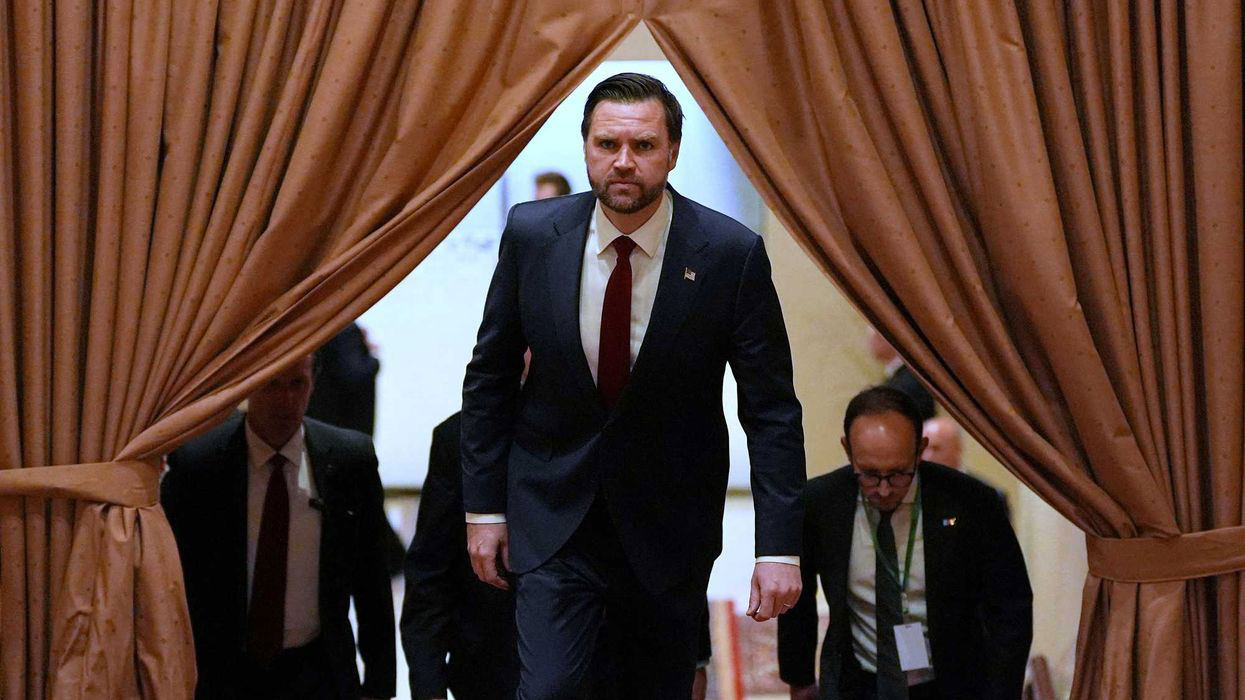
The summit follows a high-profile visit in March 2025 by U.S. Vice President JD Vance and Second Lady Usha Vance to the U.S. military’s Pituffik Space Base in northern Greenland, underscoring Washington’s renewed focus on the region. U.S. forces have operated from northern Greenland since the early Cold War, when what is now Pituffik was first developed as an air base and early-warning site.
The kingdom of Denmark handles defense and foreign affairs for Greenland, but the territory controls many domestic policies and has expanded its powers over the last two decades. Greenland’s leaders have repeatedly emphasized that outside interest must respect local control. When former U.S. President Donald Trump floated the idea of buying Greenland in 2019, Greenland’s then-leadership responded that the island was not for sale, stressing, “Greenland is not Danish. Greenland is Greenlandic.”
Today, the focus has shifted from ownership to influence. The summit is expected to touch on military basing rights, investment in Arctic infrastructure, protection of fishing grounds and mineral deposits, and how to manage Russian and Chinese activity in the High North within the NATO framework.
What It Means for You
For readers in the United States and Europe, what happens in Greenland is increasingly tied to everyday life. Arctic shipping routes can shorten delivery times and reroute global trade. Military decisions in Greenland affect NATO’s ability to monitor Russian forces and missile activity, which in turn influences broader security planning and defense spending.
Climate change also makes the Arctic a bellwether: what melts there helps drive sea-level rise everywhere. Policies on drilling, mining and environmental safeguards agreed in or around this summit could shape how fast the region is developed and how much of it remains protected.
In the months ahead, watch for concrete announcements on new defense agreements, infrastructure projects such as ports or airfields, and any moves by Greenland’s elected government to seek greater control over resources or external partnerships. Those details will show whether local voices are shaping the Arctic’s next chapter, or simply adapting to decisions made elsewhere.
Sources
Based on official statements and historical records from the governments of Greenland, Denmark and the United States (2019-2025), including past public comments by Greenlandic and Danish leaders on sovereignty, as well as a January 14, 2026 report from a major European public broadcaster on the planned U.S.-Denmark-Greenland summit and recent high-level visits to Pituffik Space Base.
Question for readers: How do you think Arctic communities like Greenland should balance security ties with major powers against protecting local control and the environment?