Why This Matters
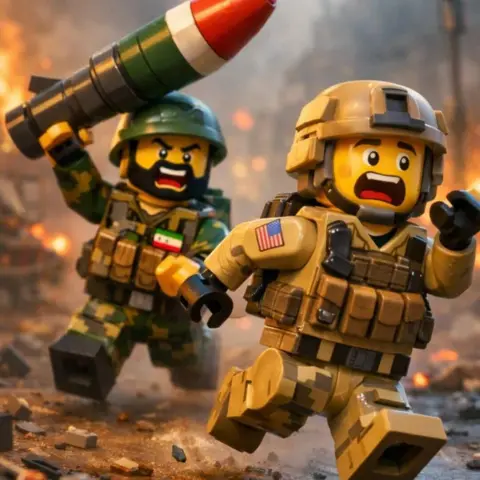
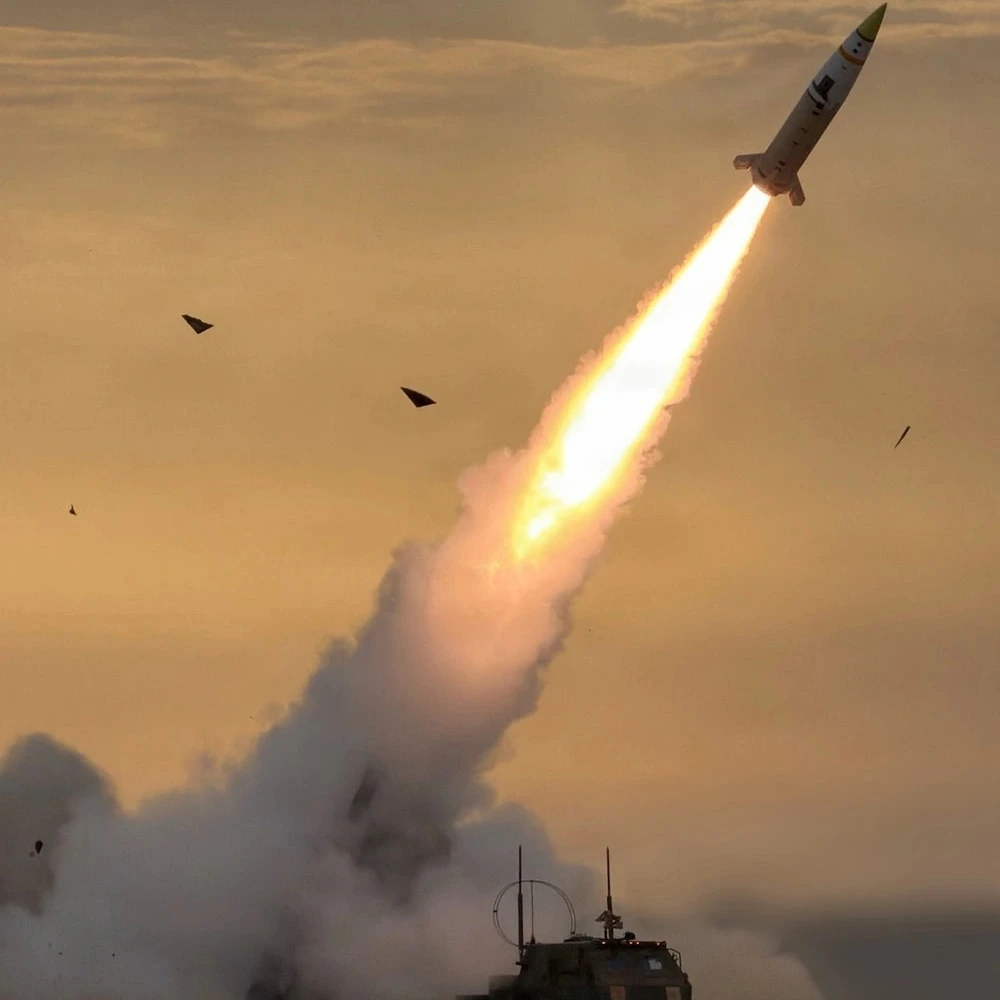
The U.S. decision to begin blockading ships in the Strait of Hormuz marks a sharp escalation in an already tense standoff with Iran, according to a CBS News live updates report. The move follows failed peace talks and could quickly widen the conflict’s impact beyond the region.
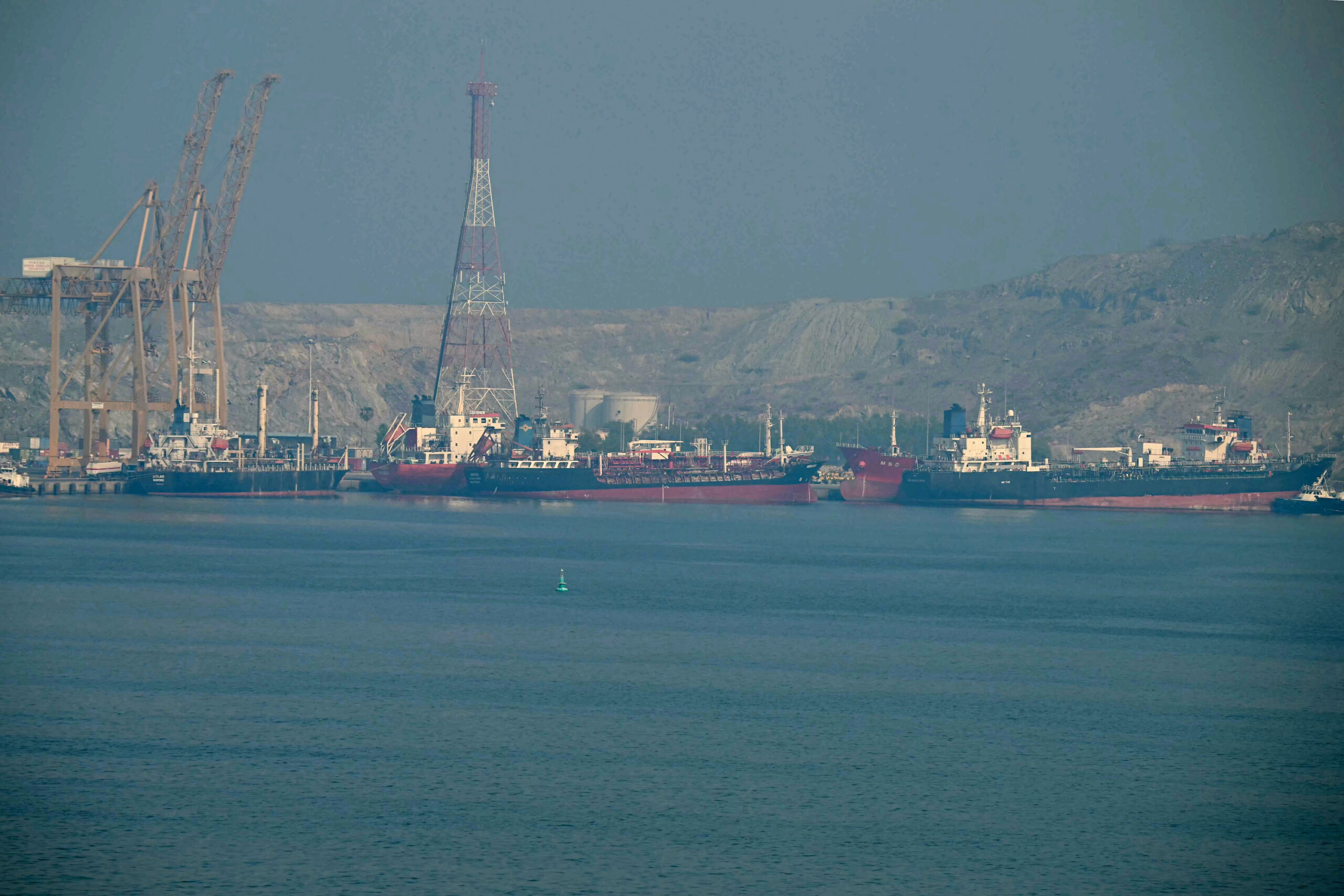
The Strait of Hormuz, a narrow waterway between Iran and Oman, is one of the world’s most important energy chokepoints. In recent years, roughly one-fifth of the global oil trade has passed through this corridor, so any disruption there can affect fuel prices, shipping costs, and financial markets worldwide.
Naval blockades are among the most serious steps a nation can take short of declaring war. Many international law experts consider blockades a form of armed conflict, depending on how they are carried out. That raises the stakes for miscalculation between U.S. forces, Iran, and other countries whose ships transit the waterway.
Key Facts and Quotes
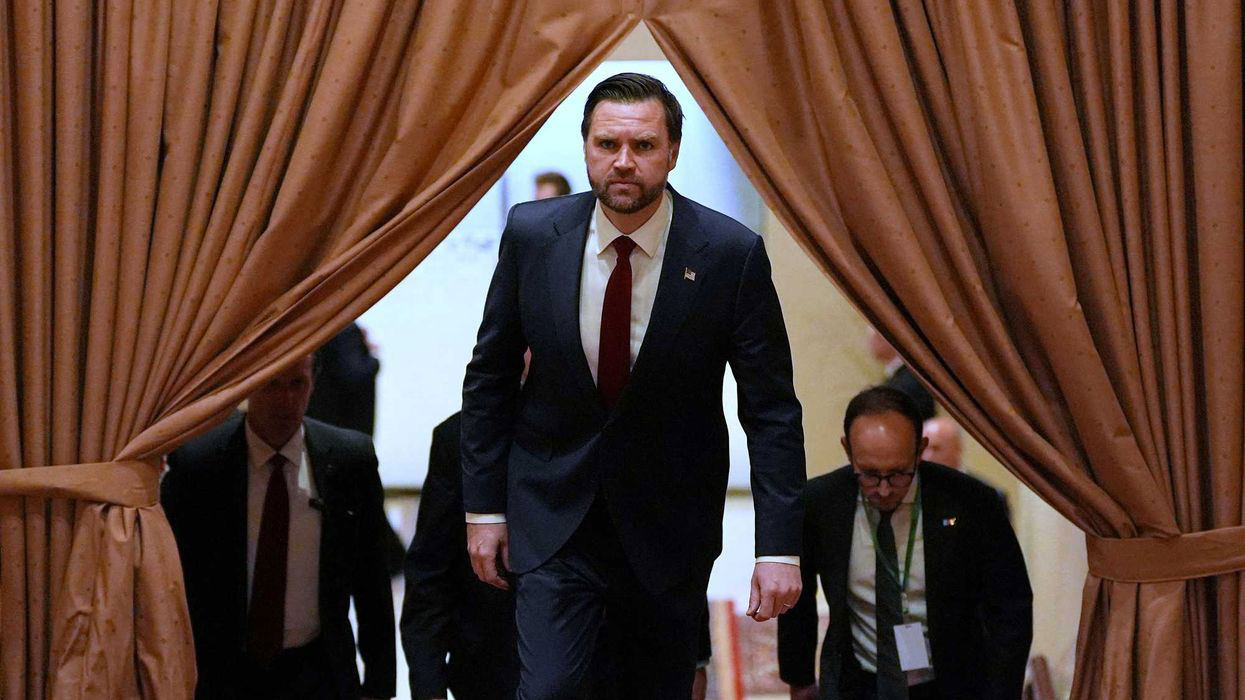
According to CBS News, U.S., Iranian, and Pakistani officials held marathon face-to-face talks in Islamabad in the first round of peace negotiations. Vice President JD Vance told reporters afterward that no agreement was reached and said the Iranian side “has chosen not to accept our terms.” He confirmed the U.S. delegation has left Pakistan.
On the Iranian side, parliament speaker Mohammad Bagher Qalibaf said the United States “was unable to gain the trust of the Iranian delegation” during the talks. He added that Washington “must decide whether it can earn our trust or not,” signaling that Tehran is publicly framing the breakdown as a failure of U.S. credibility.
President Trump said Sunday that the United States will begin blockading ships in the Strait of Hormuz “effective immediately,” according to the CBS report. The live updates headline states that U.S. Central Command, or CENTCOM, which oversees American military operations in the Middle East, has said the blockade will begin on Monday and is expected to start at 10 a.m. Eastern Time.
The report did not detail which vessels might be targeted, what criteria would be used to stop or search ships, or how long the operation is expected to last. Those unanswered questions leave significant uncertainty for commercial shippers, energy markets, and U.S. allies that rely on safe passage through the Gulf.
What It Means for You
For people in the United States, the most immediate effects are likely to come through energy and financial markets. Past crises in the Persian Gulf have often led to higher oil prices and increased volatility on Wall Street, which can filter down into gasoline prices, heating costs, airline fares, and retirement accounts.
The unfolding situation may also shape domestic debates over U.S. military engagement in the Middle East and the powers of the presidency in wartime decisions. Travelers with plans in the region and businesses tied to global shipping or energy may need to watch official advisories closely as more details on the blockade emerge.
How do you think the United States should balance protecting global shipping lanes with reducing the risk of a wider war in the Gulf region?
Sources
CBS News live updates article on U.S. plans to blockade ships in the Strait of Hormuz, April 12, 2026; Background on the Strait of Hormuz and global oil transit volumes, U.S. Energy Information Administration, various reports through 2023.