Why This Matters
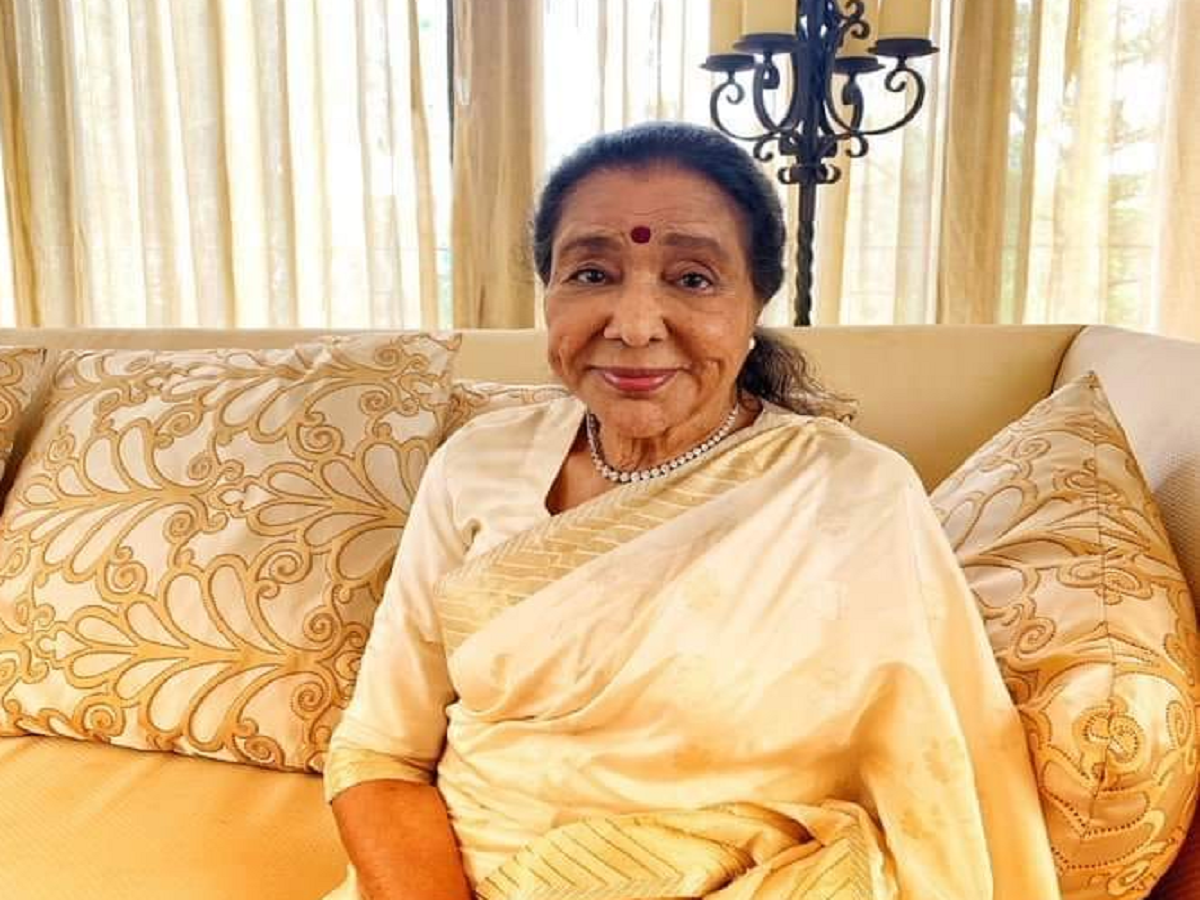
Asha Bhosle, one of Indian cinema’s most prolific and influential playback singers, has died at 92 in Mumbai, according to reports that cite confirmation from her son. Her voice, heard in more than 12,000 songs, helped define Bollywood’s sound for over 80 years.
For many outside India, Bollywood music is their first sustained exposure to South Asian culture. Bhosle’s songs, carried through films, radio, cassettes, and now streaming services, have followed Indian communities around the world and quietly shaped global pop and film music.
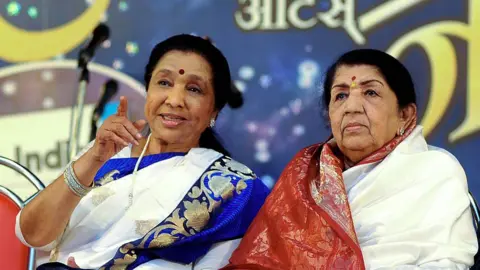
Her death also marks the loss of another pillar of the Mangeshkar musical family, which includes her sister Lata Mangeshkar, who died in 2022. Together, they formed a bridge between classical traditions and modern film soundtracks, influencing generations of singers and composers.
Key Facts and Quotes
Bhosle died in Mumbai after being admitted to the hospital following a heart attack, her son confirmed, according to BBC News. Born on 8 September 1933 in what is now Maharashtra state, she began performing as a child and recorded her first song for a Marathi film in 1943.
Her career accelerated in the 1950s and 1960s as she emerged as a versatile voice in Hindi cinema, singing for romantic dramas, thrillers, and social films. She moved easily across styles, from film songs to ghazals, devotional pieces, qawwalis, and pop, working closely with music directors such as O.P. Nayyar and S.D. Burman.
Among her best-known numbers are “Aaiye Meherbaan” (1958), “Parde Mein Rehne Do” (1968), and the counterculture anthem “Dum Maro Dum” (1971). Her duets with fellow legends Mohammed Rafi, Kishore Kumar, and Manna Dey remain staples on South Asian oldies playlists. In 1997, British band Cornershop paid tribute with the hit “Brimful of Asha.”
Bhosle’s work traveled well beyond India. She collaborated with British singer Boy George and recorded with R.E.M. frontman Michael Stipe in the 1990s. In one of her final projects, she appeared on British virtual band Gorillaz’s 2026 album “The Mountain,” on a track titled “The Shadowy Light” that reflected on death and the afterlife, according to BBC’s account.
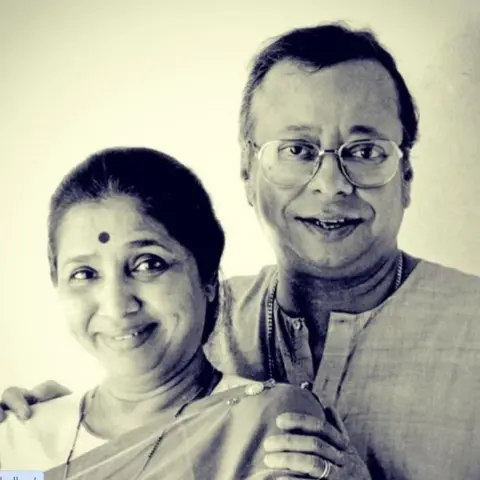
Her personal life included hardship and reinvention. She eloped at 16, later leaving a difficult marriage and raising three children as a single mother. She eventually married composer R.D. Burman in 1980. “Many times I felt I would not be able to survive, but I did,” she said in a 2023 interview, adding, “For me, music is my breath.”
Even in her later years, Bhosle stayed active. She celebrated her 90th birthday with a concert in Dubai, saying, “At 90, standing for three hours on stage and singing is a blessing.” She launched the online talent show “Asha Ki Asha” in 2020 and, encouraged by her granddaughter, opened a YouTube channel to share stories from her long career.
What It Means for You
For listeners in the United States and elsewhere, Bhosle’s death is a reminder of how deeply film music can shape cultural memory. Her recordings remain widely available on streaming platforms and in classic Bollywood films, offering an entry point into India’s film history and its changing social themes.
Within India’s film industry, her passing underscores a generational shift as many of the voices who built Bollywood’s golden age are now gone. Fans can expect tributes, re-releases, and renewed attention to her catalog, as artists and audiences revisit how her work crossed languages, genres, and borders.
Which Asha Bhosle song, collaboration, or film moment best captures her impact for you across cultures and generations?
Sources
BBC News profile and obituary by Sudha G Tilak, published April 12, 2026; publicly available biographical information and past interviews with Asha Bhosle referenced in the BBC report.