Why This Matters
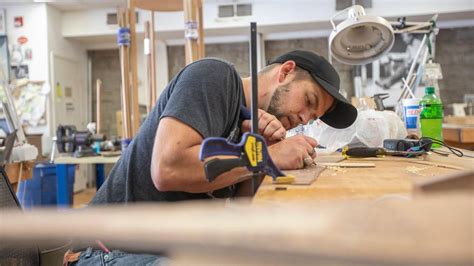
In eastern Kentucky, a small instrument workshop is turning the region’s deep musical roots into a path toward recovery from addiction. At Troublesome Creek, people in treatment or early recovery are hired and trained to build high-quality guitars, mandolins, and dulcimers.
The program sits in a part of Appalachia that has been hit hard by the opioid crisis and long-term economic decline. Stable work, a daily routine, and a sense of purpose are often cited by treatment experts as key ingredients for staying sober after formal treatment ends.
By linking recovery to traditional folk music, the workshop also helps keep local culture alive. It shows how heritage arts can be more than a tourist attraction or hobby; they can become the foundation for jobs, skills, and a healthier community.
Key Facts and Quotes
The PBS NewsHour segment, reported by arts correspondent Jeffrey Brown, focuses on Troublesome Creek, a stringed-instrument maker based in eastern Kentucky. The company produces hand-crafted instruments rooted in Appalachian traditions, including steel-string guitars, mandolins, and mountain dulcimers.
Many of the craftspeople building those instruments are people in addiction recovery, often referred from local treatment programs or recovery housing. According to company and community materials, employees are trained as apprentices in a structured, sober workplace, with clear expectations and support from peers who have faced similar struggles.
Brown describes the broader context as “the heritage of folk and traditional music, rooted in instruments like guitars, mandolins, and dulcimers,” which he says is “deeply seated” in eastern Kentucky. The segment explains that Troublesome Creek is deliberately “capitaliz[ing] on this rich culture while providing a fresh start for people in addiction recovery” as part of a wider look at the intersection of art and health in the CANVAS series.
Public reporting on the workshop notes that it operates as a small social enterprise, aiming to sell finely made instruments to buyers around the country while reinvesting revenue into training, wages, and supportive services. The model relies on partnerships with local recovery organizations and on national interest in American-made instruments with a strong story behind them.
What It Means for You
For people watching from outside Kentucky, Troublesome Creek offers one example of how communities can respond to addiction with more than clinics and courtrooms. It pairs job training and income with creative work, giving participants a visible product they can point to with pride.
As policymakers and nonprofits across the U.S. look for effective recovery supports, programs like this may gain more attention. Their future will likely depend on steady funding, ongoing demand for the instruments, and evidence that combining arts, work, and recovery helps people stay on track over the long term.
What kinds of work or creative traditions in your own community do you think could help people in recovery build a more stable and hopeful future?
Sources
PBS NewsHour segment “People in recovery find a fresh start by crafting Troublesome Creek instruments,” aired April 6, 2026; Troublesome Creek Stringed Instrument Company mission and background materials, accessed April 2026; Public reporting on addiction recovery and employment initiatives in eastern Kentucky, 2018-2024.