Why This Matters
The burning of four ambulances serving a Jewish neighborhood in London is being investigated as a suspected antisemitic hate crime, heightening fears in a community already alarmed by rising hostility. The attack targeted not just property, but vehicles used to provide emergency medical care.
Hatzola Northwest, the volunteer service whose ambulances were destroyed, plays a key role in responding quickly to medical emergencies in Golders Green, a north London area with a large Jewish population. Damaging its fleet potentially undermines a life-saving service relied on by residents of all backgrounds.
The incident comes amid a sharp increase in reported antisemitic incidents in the United Kingdom and a series of attacks on Jewish targets across Europe. Community advocates say the London arson fits into a broader pattern of threats against Jewish schools, synagogues, and community services since the start of the Israel-Hamas war in late 2023.
Key Facts and Quotes
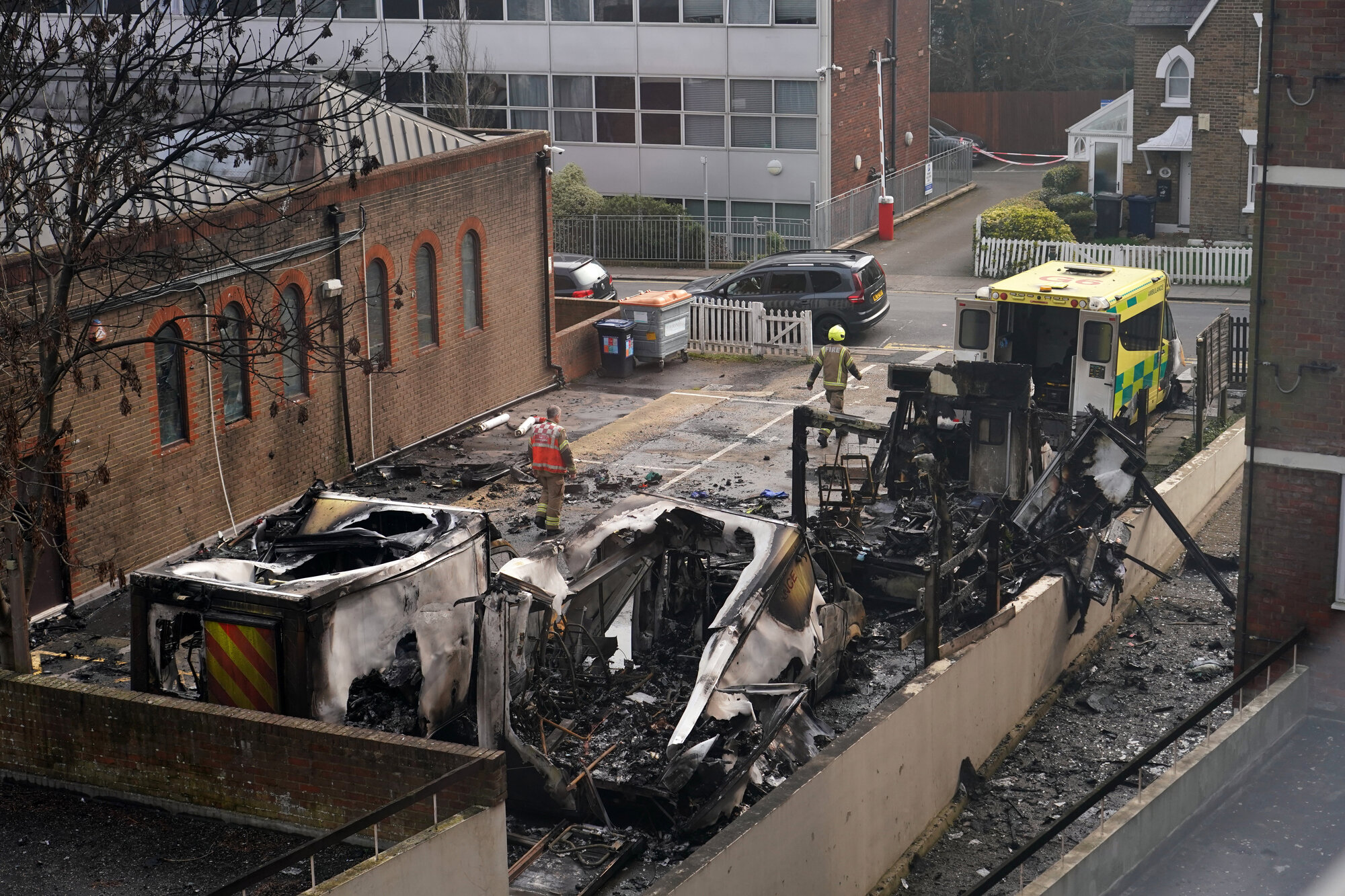
Police and fire crews were called early Monday to Golders Green after reports that ambulances parked near a synagogue were on fire, according to officials and local reporting. The London fire brigade said four vehicles belonging to Hatzola Northwest were damaged, with photos showing some reduced to charred wreckage. Multiple oxygen tanks on board exploded, shattering windows in a nearby residential block, but no injuries were reported, and the blaze was brought under control.
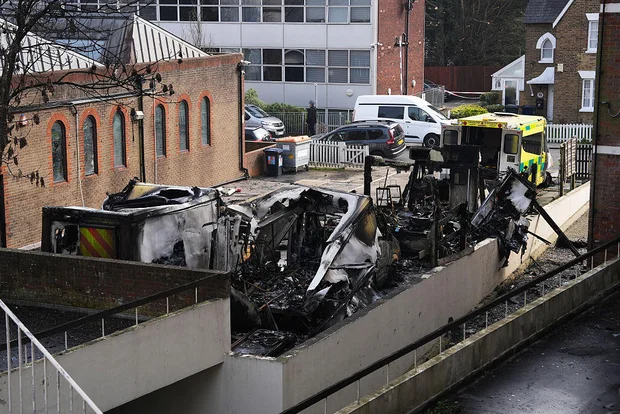
The Metropolitan Police said the cause of the fire is under investigation and confirmed they are treating it as a suspected antisemitic hate crime. Security camera footage cited by authorities appears to show three people running across the street toward the parked vehicles and setting them alight. Police Superintendent Sarah Jackson said officers know the incident “will cause a great deal of community concern” and are carrying out urgent inquiries, adding that three suspects are being sought and no arrests have yet been made. Nearby homes were evacuated as a precaution because of the exploding gas canisters.
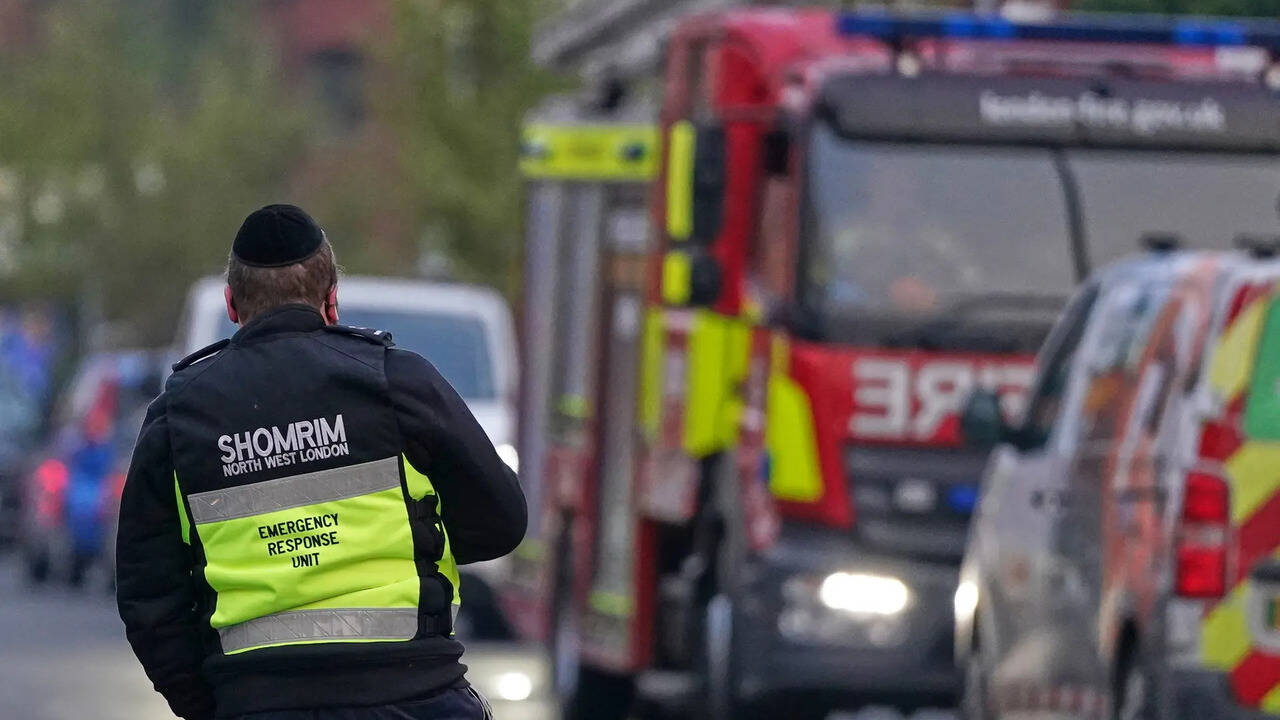
Eyewitness Mark Reisner, who lives in the neighborhood, told broadcasters he heard loud explosions and arrived just as a third ambulance blew up. He described one blast as so powerful that “you sort of felt it go through your guts,” saying the attack had left residents “reeling with confusion and shock.” Shomrim, a neighborhood watch group serving the local Jewish community, condemned what it called not only a criminal act of arson but a “targeted and deeply concerning incident” against a vital emergency service.
Political and religious leaders moved quickly to denounce the attack. Prime Minister Keir Starmer called it a “deeply shocking antisemitic arson attack” and said antisemitism “has no place in our society,” according to reporting citing his statement. Archbishop of Canterbury Sarah Mullally said acts of violence, hatred, and intimidation have no place in the country. Chief Rabbi Ephraim Mirvis described the burning of the ambulances as a “sickening assault” and wrote that, at a time of growing violent attacks on Jewish communities worldwide, people must stand together against hatred and intimidation.
The burning of four Jewish charity-run Hatzola ambulances at the Golders Green neighborhood of London is a warning alarm for Britain and its prime minister, Sir Keir Starmer https://t.co/n1tPGxzJLx pic.twitter.com/pylpEA1dqn
— The New York Sun (@NewYorkSun) March 24, 2026
What It Means for You
For people in the United Kingdom and beyond, the London arson underscores questions about how to protect religious and minority communities, especially when essential services such as volunteer ambulances are targeted. The investigation and any policy response could influence future security funding, policing strategies, and hate-crime enforcement.
The attack also fits into a wider European pattern of threats and violence against Jewish targets, from previous assaults near synagogues in northern England to recent incidents in the Netherlands, Belgium, and France. As authorities respond, many communities will be watching whether new measures can reduce hate-motivated violence while maintaining open, accessible public spaces.
What kinds of steps by governments, local communities, or individuals do you believe are most effective in reducing hate-motivated violence while preserving an open, free society?
Sources
- Primary reporting from CBS News/Associated Press on the Golders Green incident, March 23, 2026.
- Statements and updates from the London Metropolitan Police and London Fire Brigade.
- Public posts and statements from Shomrim, Chief Rabbi Ephraim Mirvis, and Prime Minister Keir Starmer.
- Additional context from Reuters and Sky News reports cited within the CBS account.
- Antisemitic incident data from the Community Security Trust for 2022-2025.