Why This Matters
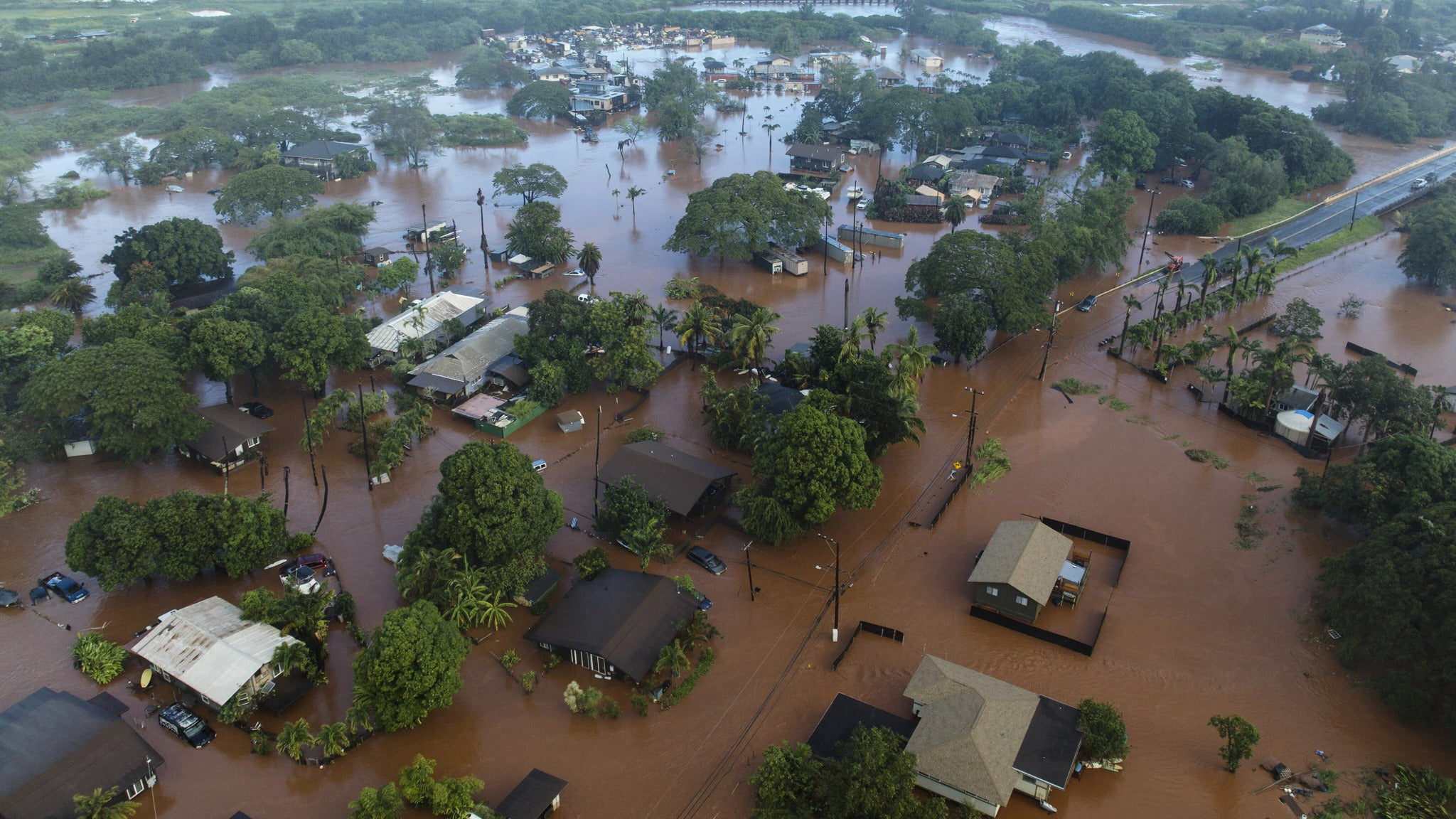
Hawaii is beginning a long recovery after its worst flooding in roughly two decades, with back-to-back storms dumping up to four feet of rain on parts of Oahu and Maui. State officials say the damage could top $1 billion, affecting homes, roads, schools, airports, and even a hospital.
The flooding hits communities that were already deeply shaken by disaster. On Maui, many residents are still rebuilding their lives less than two years after wildfires killed 102 people and destroyed neighborhoods, and now face new losses from mud, water, and debris.
The storms also highlight how vulnerable island states are to extreme weather. With limited land, steep terrain, and dense coastal development, damage to a few key roads, bridges, or utilities can ripple quickly through local economies, tourism, and everyday life.
Key Facts and Quotes
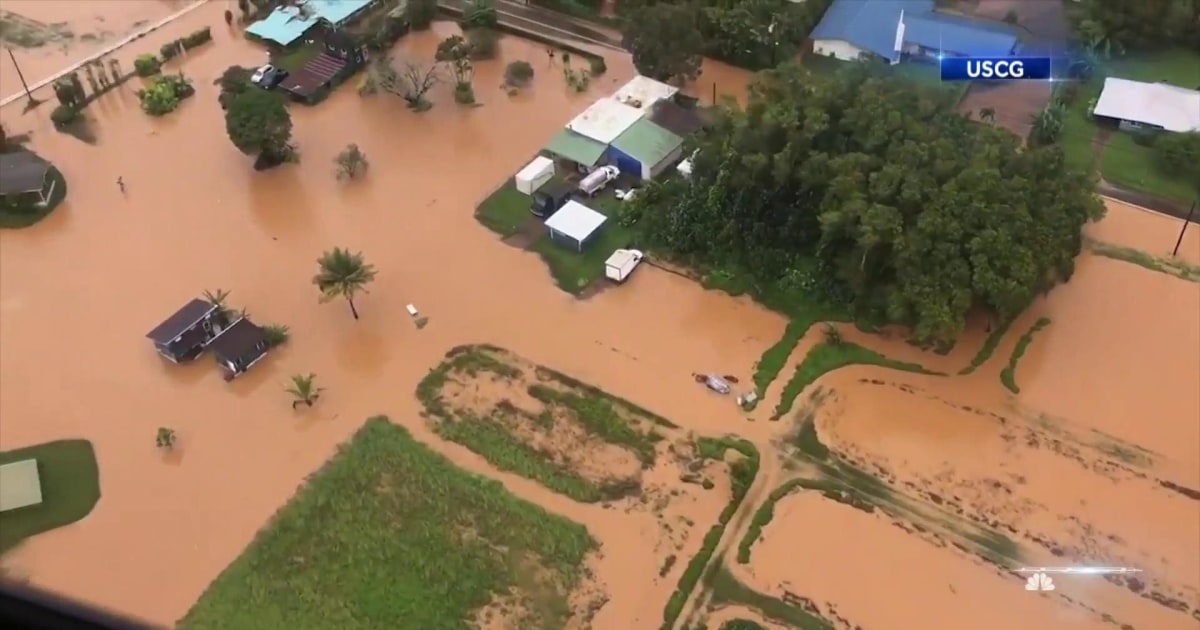
According to Hawaii Gov. Josh Green, two massive storms over the past week drenched Oahu and Maui, triggering what he called the state’s most severe flooding in 20 years. Some areas saw up to four feet of rain, rapidly turning normally green landscapes into rivers of mud and brown floodwater.
Evacuation orders were issued for communities north of Honolulu, where officials said more than 200 people were rescued. On northern Oahu, National Guard members waded through waist-deep water to reach stranded drivers and homeowners. More than 2,000 customers lost power over the weekend as floodwaters surged through streets and fields.
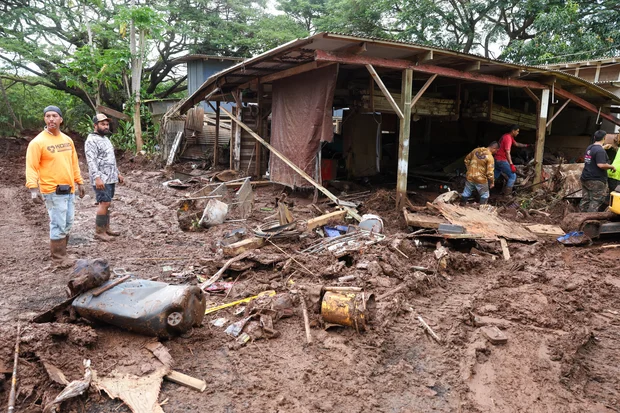
Maui was also heavily hit. State officials said the torrents blasted down riverbeds, destroyed or damaged bridges and roads, and swept away vehicles. Green told reporters that early estimates suggest total losses could exceed $1 billion, including damage to public infrastructure, private homes, and a hospital in Kula. “This is going to have a very serious consequence for us as a state,” he said at a news conference.
The human toll is still coming into focus. Oahu resident Melanie Lee returned to find her home destroyed after nearly 20 years living there, telling CBS News, “We lost everything… My children’s pictures. Just real sentimental stuff.” Actor Jason Momoa, who grew up in Honolulu, said in an Instagram video that his family had to leave the North Shore when power failed, adding, “We’re safe now, but there’s a lot of people who weren’t.” Rep. Jill Tokuda, who represents parts of Oahu, said the flooding on top of the Maui fires “can feel overwhelming” for many families.
What It Means for You
For Hawaii residents, the next phase will focus on cleanup, safety, and securing aid. Floodwaters can leave behind unstable ground, contaminated mud, and mold, so officials typically urge people to document damage, work with insurers where possible, and follow local guidance on returning home and using roads and bridges.
For people on the U.S. mainland, the flooding may affect travel plans, local businesses that rely on tourism, and supply chains for goods shipped through Hawaii’s ports and airports. It will also likely renew debates about how to harden infrastructure, fund disaster relief, and support communities facing repeated climate and weather shocks.
Hawaii Faces Unprecedented Flooding Crisis with Thousands Evacuated from Oahu, Honolulu, and Waialua: What This Means for Tourism and Travelers in 2026 – Travel And Tour World https://t.co/tT9CFhy3qA #TRAVELNEWS #HAWAII pic.twitter.com/vV2JWA30In
— Hawaii Tourism News (@hawaiitalk) March 23, 2026
What kinds of long-term investments do you think matter most to help communities recover from and better withstand severe flooding events like this?
Sources
- CBS News report by Matt Gutman, “Worst Hawaii flooding in 20 years leaves some homes in mud as recovery begins: ‘We lost everything’,” published March 23, 2026.