TL;DR
A Virginia case and congressional hearings highlight gaps in how organ donor choices are recorded and revoked, raising new questions about consent and trust.
Why This Matters
Organ donation relies on public confidence that people’s wishes will be followed at one of the most sensitive moments a family can face. The story of Raven Kinser, a young woman who changed her mind at a Virginia DMV, shows how fragmented rules can blur that promise when records cross state lines.
According to federal health data, more than 100,000 people in the United States are waiting for an organ transplant, and thousands die each year before a match is found. Every additional donor can save lives, but so can a system that reliably respects a person’s right to say no or to change a previous decision.
Lawmakers from both parties now say gaps in how consent is tracked and verified may be undermining trust in the broader transplant network. When families fear their loved one’s most recent wishes might not be honored, they may hesitate to support donation at all. That makes fixing record-keeping and consent rules not just an ethical issue, but a practical one for saving lives.
Key Facts & Quotes
Two summers ago, Raven Kinser went to a Virginia Department of Motor Vehicles office and checked a box saying she did not want to donate her organs, reversing an earlier donor registration, according to her parents’ account to CBS News. Six months later, after she was declared dead at a Newport News hospital, they say they learned that her new choice had not overridden the old one.
Her case highlights a structural gap: there is no single, nationally binding way to opt out of organ donation, or to ensure that a later “no” in one state cancels a previous “yes” in another. Many states rely on motor vehicle records and state donor registries, but those systems are not fully synchronized nationwide.
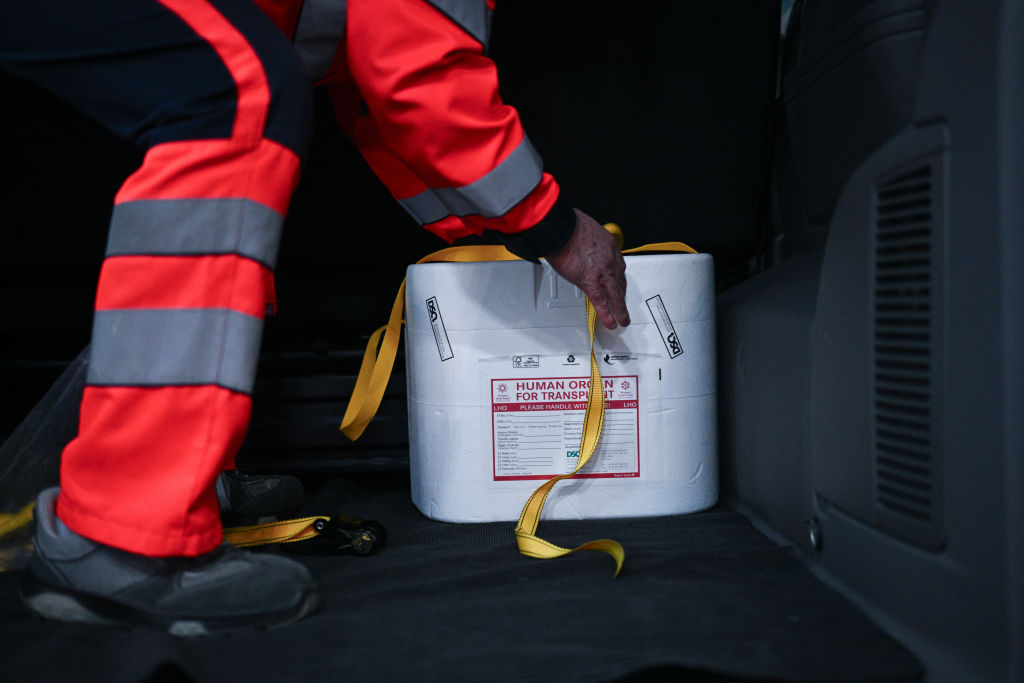
Concern over these and other issues led the House Ways and Means subcommittee on oversight to hold a hearing last year on organ procurement organizations (OPOs) and their consent practices, according to congressional records. “The trust in our organ procurement and transplant system has been eroded,” said Rep. Terri Sewell of Alabama, the panel’s senior Democrat, calling for stronger transparency and oversight.
Bioethicist Margaret McLean of Santa Clara University underscored a core principle in an email cited by CBS: “Respect for autonomy – our ability to make our own decisions (self-determination) – allows for both ‘yes’ and ‘no’ decisions and for changing one’s mind.”
What It Means for You
For most people, the only time organ donation comes up is at the DMV or in an online registry form. This latest update from Congress and families like the Kinsers is a reminder to check how and where your decision is recorded, especially if you have moved between states or changed your mind.
Experts say it is wise to review your driver’s license, state donor registry entry, and advance directives, and to discuss your wishes clearly with close family. Lawmakers are weighing tighter rules for OPOs and better data-sharing across states, which could eventually lead to more uniform consent procedures. Until then, knowing where your status is stored and keeping it up to date are among the clearest ways to ensure your choice is respected.
How confident are you that your own organ donor preference is recorded accurately, and what would help you feel more assured?
Sources:
- CBS News report on organ donor system status changes and the Kinser case (published March 15, 2026).
- Prior U.S. Department of Health and Human Services organ donation statistics (2023).
- U.S. House Ways and Means oversight subcommittee materials on organ procurement organizations (2023).