TL;DR
U.S. labels Iran a state sponsor of wrongful detention, enabling new sanctions and potential travel limits on Americans amid disputes over jailed citizens.
Why This Matters
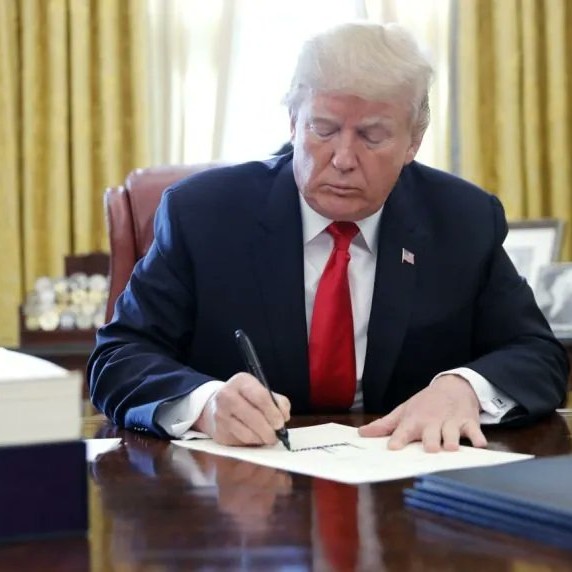
The Trump administration’s decision to classify Iran as a state sponsor of wrongful detention marks a major shift in how Washington responds to the imprisonment of U.S. citizens overseas. It gives the State Department new tools to directly target governments that are seen as jailing Americans for political leverage, rather than for recognized criminal offenses.
This latest update to U.S. policy comes on top of Iran’s long-standing designation as a state sponsor of terrorism, in place since 1984. By creating a separate category for wrongful detention, Washington is signaling that hostage diplomacy is being treated as its own national security challenge. That could influence how future prisoner negotiations, sanctions decisions, and regional diplomacy unfold.
The move also carries real-world implications for travel and family ties. An estimated 600,000 people of Iranian origin live in the United States, according to academic estimates, many of whom regularly travel or send relatives to Iran. Any new restrictions on U.S. passports or flights could complicate visits, business trips, and humanitarian travel in the months ahead.
Key Facts & Quotes
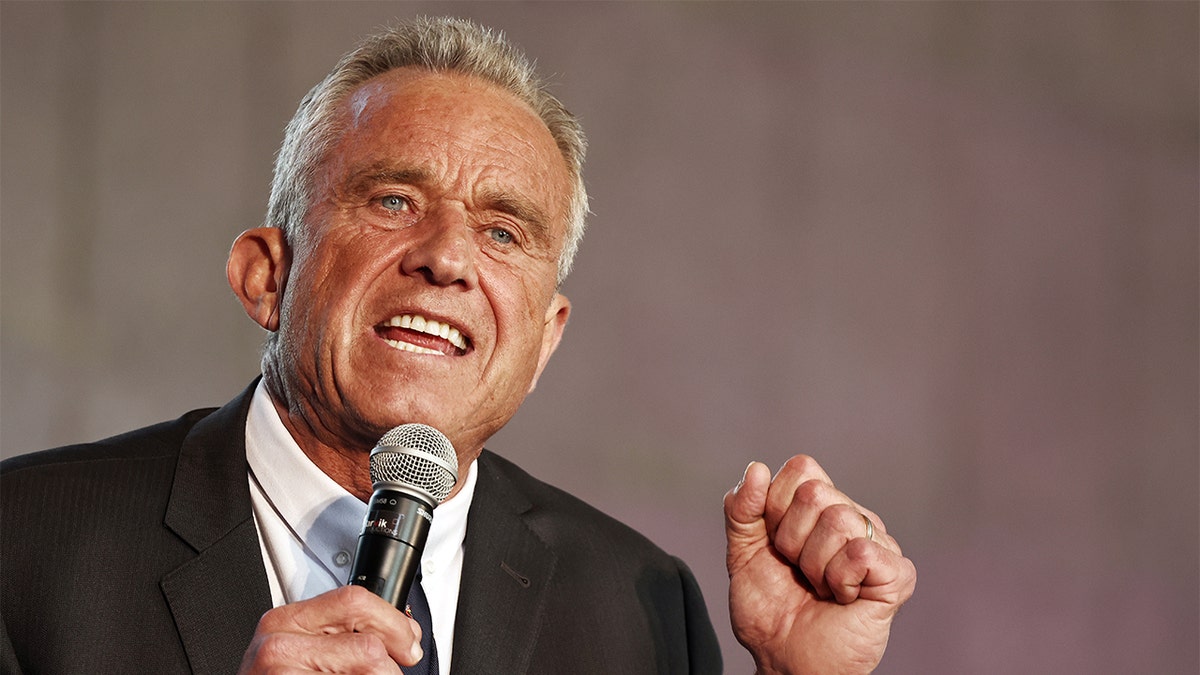
Secretary of State Marco Rubio announced the designation on Friday, shortly before U.S. military strikes on Iranian targets. According to the State Department, the step activates powers created under a September executive order that was designed to penalize countries accused of detaining Americans as bargaining chips in diplomatic disputes. This is the first time any nation has been formally labeled under that framework.
Under the order, the Secretary of State can impose economic sanctions, export controls, and visa bans on individuals and entities linked to wrongful detentions. Officials say these measures are modeled on tools used in terrorism cases but are legally distinct. The order also allows U.S. authorities to restrict or even prohibit travel by American passport holders to countries tagged as sponsors of wrongful detention, similar to existing limits on travel to North Korea.
Rubio accused Tehran of a long pattern of politically motivated arrests. “For decades, Iran has continued to cruelly detain innocent Americans, as well as citizens of other nations, to use as political leverage against other states. This abhorrent practice must end,” he said in a written statement. Recent cases include Iranian-American journalist Reza Valizadeh, 70-year-old Kamran Hekmati, and at least one other woman in her seventies, all believed to be held in Iran, according to U.S. officials. Officials are also weighing whether Afghanistan should receive a similar label, as that country is known to be holding at least two Americans.
Iran designated as state sponsor of wrongful detention, Marco Rubio announces
“The Iranian regime must stop taking hostages and release all Americans unjustly detained in Iran,” Rubio said, as Trump states he is “not happy” with the negotiations.https://t.co/F1RnFR7zZM pic.twitter.com/IW5VcUODzS
— qwerty (@qwerty14117587) February 28, 2026
What It Means for You
For most Americans, this designation will not change daily life, but it does affect how and where U.S. citizens can safely travel. Anyone considering trips to Iran should watch for updated State Department travel advisories, possible passport restrictions, and changes in airline routes or insurance coverage. Those with family or business ties in Iran could face higher costs, longer planning times, and more uncertainty around visits.
The policy also underscores a broader message: travel to countries with a track record of detaining foreigners now carries added legal and financial risks. Similar wrongful-detention labels on other nations, if adopted, could reshape how Americans approach work assignments, study programs, and tourism in higher-risk regions. Families with loved ones currently detained abroad may see new pressure tools deployed, but outcomes in specific cases will still depend on sensitive diplomacy that can take months or years.
How do you think the U.S. should balance warning Americans about high-risk travel with preserving their freedom to visit countries like Iran?
Sources: U.S. State Department statements and executive order text; public remarks by Secretary of State Marco Rubio, Feb. 21, 2026.