TL;DR
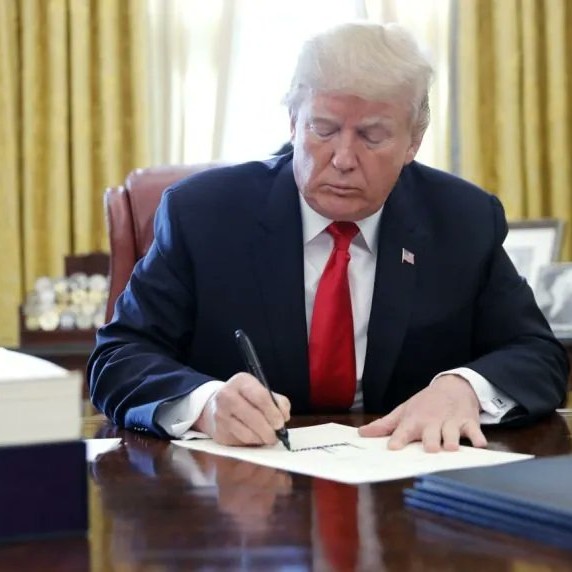
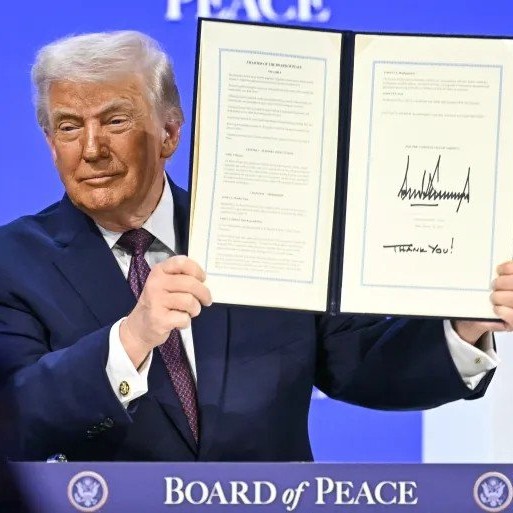
President Donald Trump says his new Board of Peace has secured $5 billion and personnel pledges to help rebuild and stabilize war-damaged Gaza.
Why This Matters
The announcement highlights a new U.S.-led attempt to shape the future of Gaza and wider peace efforts in the Middle East, outside traditional global institutions. Trump’s Board of Peace, which he chairs, is being positioned as an international body that could direct money, personnel, and political leverage into one of the world’s most fragile conflict zones.
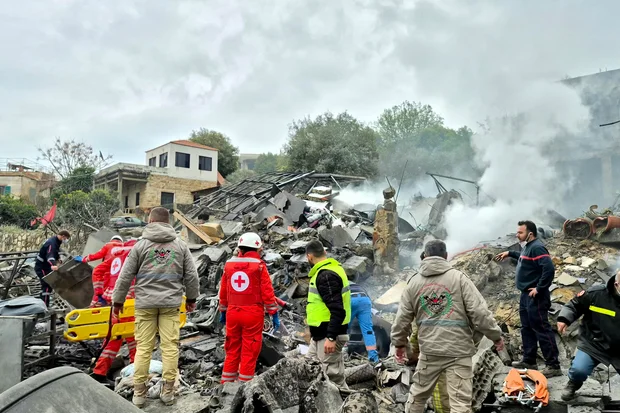
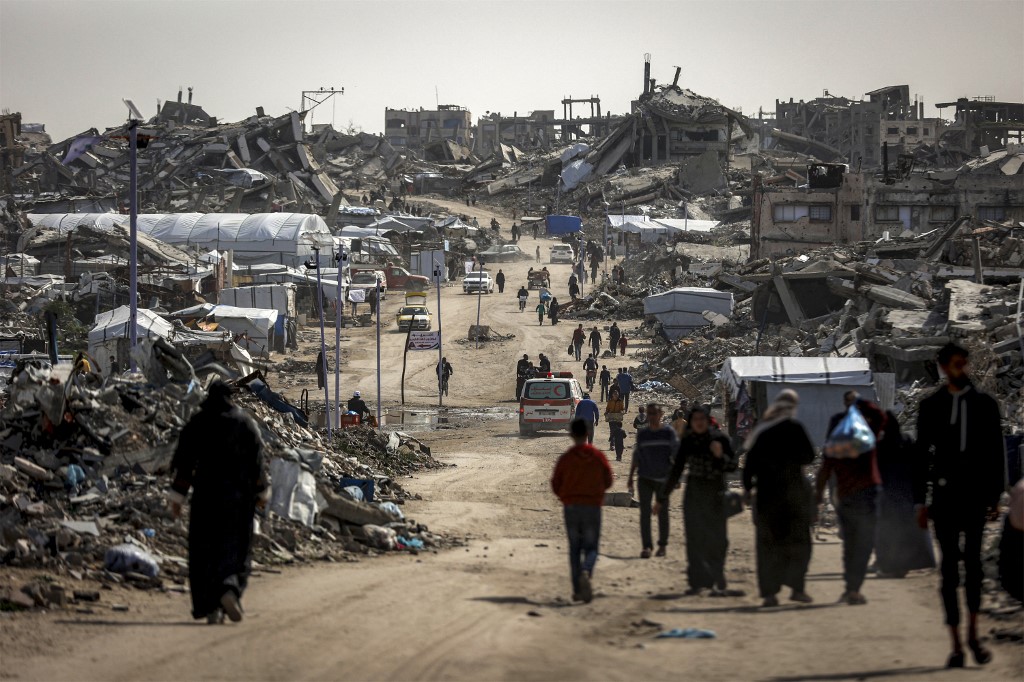
Rebuilding Gaza is a massive task. According to the Associated Press report carried by PBS NewsHour, the United Nations, World Bank, and European Union estimate the cost of reconstruction at around $70 billion after more than two years of Israeli bombardment. The $5 billion figure Trump cited would cover only a fraction of that, but it marks one of the largest single pledges publicly linked to post-war Gaza so far.
The board also points to a broader debate over who sets the rules of the international system. Some close U.S. allies are wary that the initiative could compete with or bypass the United Nations and its Security Council, the U.N.’s most powerful decision-making body. For Americans, this raises questions about long-term U.S. commitments overseas, the costs of reconstruction, and how Washington engages in global crises.
Key Facts & Quotes
According to the AP report published by PBS NewsHour on Feb. 15, 2026, President Donald Trump said Sunday that members of his newly created Board of Peace have pledged $5 billion toward rebuilding Gaza, which has been heavily damaged by more than two years of conflict between Israel and Hamas.
Trump also said board members would contribute thousands of personnel to international stabilization and police forces intended for the Palestinian territory. Formal announcements are expected when the board holds its first meeting in Washington on Thursday.
In a social media post quoted by the AP, Trump said the new body would be highly consequential, writing that the Board of Peace would prove to be “the most consequential International Body in History” and that it was his honor to serve as its chairman.
US President Donald Trump said on Sunday that members of the so-called “Board of Peace” initiative had pledged $5 billion to help rebuild the Gaza Strip and would deploy thousands of personnel to international stabilisation and policing missions in the territory… pic.twitter.com/c0qdQpOOJS
— Middle East Eye (@MiddleEastEye) February 16, 2026
Trump did not specify which member nations are behind the $5 billion in pledges or the promised personnel. However, Indonesia’s military said Sunday that up to 8,000 of its troops could be ready by the end of June for a potential deployment to Gaza as part of a humanitarian and peace mission, marking the first firm troop commitment described in the report.
The reconstruction effort comes as a U.S.-brokered ceasefire, reached on Oct. 10, seeks to halt a war that has lasted more than two years. The ceasefire framework calls for an armed international stabilization force to maintain security and oversee the disarmament of Hamas, a central demand of Israel. So far, few countries have publicly signaled interest in joining that force.
The AP report notes that Trump’s Board of Peace was initially viewed as focused on ending the Israel-Hamas war in Gaza, but it has since been framed by his administration as a vehicle for addressing multiple global crises. Some long-standing U.S. allies in Europe and elsewhere have reportedly declined to join, concerned it may be intended as a rival to the U.N. Security Council.
The first Board of Peace meeting is set to take place at the U.S. Institute of Peace in Washington, which the State Department announced in December had been renamed the Donald J. Trump U.S. Institute of Peace. The report adds that the building is currently the subject of litigation brought by former employees and executives of the nonprofit think tank, after the Republican administration seized the facility last year and dismissed most of its staff.
What It Means for You
For U.S. readers, this latest development is part of how American foreign policy is being reshaped, with Washington testing new tools beyond long-established global bodies. If the Board of Peace becomes a major player, it could influence how U.S. tax dollars, diplomatic pressure, and military partnerships are used in conflict zones from Gaza to other regions.
The scale of Gaza’s destruction also means reconstruction will likely be a topic in U.S. politics for years, whether in debates over foreign aid, military deployments, or America’s role in peacekeeping. As details emerge on which countries are actually funding and staffing the initiative, and how it coordinates with the U.N. and regional players, those choices could affect broader stability in the Middle East and the level of U.S. involvement abroad.
What do you think the United States’ role should be in funding and overseeing large reconstruction and peacekeeping efforts like the one proposed for Gaza?
Source: Associated Press report published by PBS NewsHour, Feb. 15, 2026.