Why This Matters
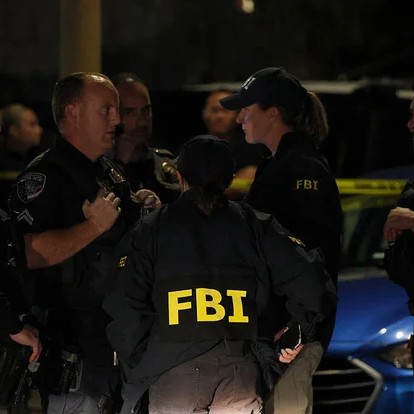
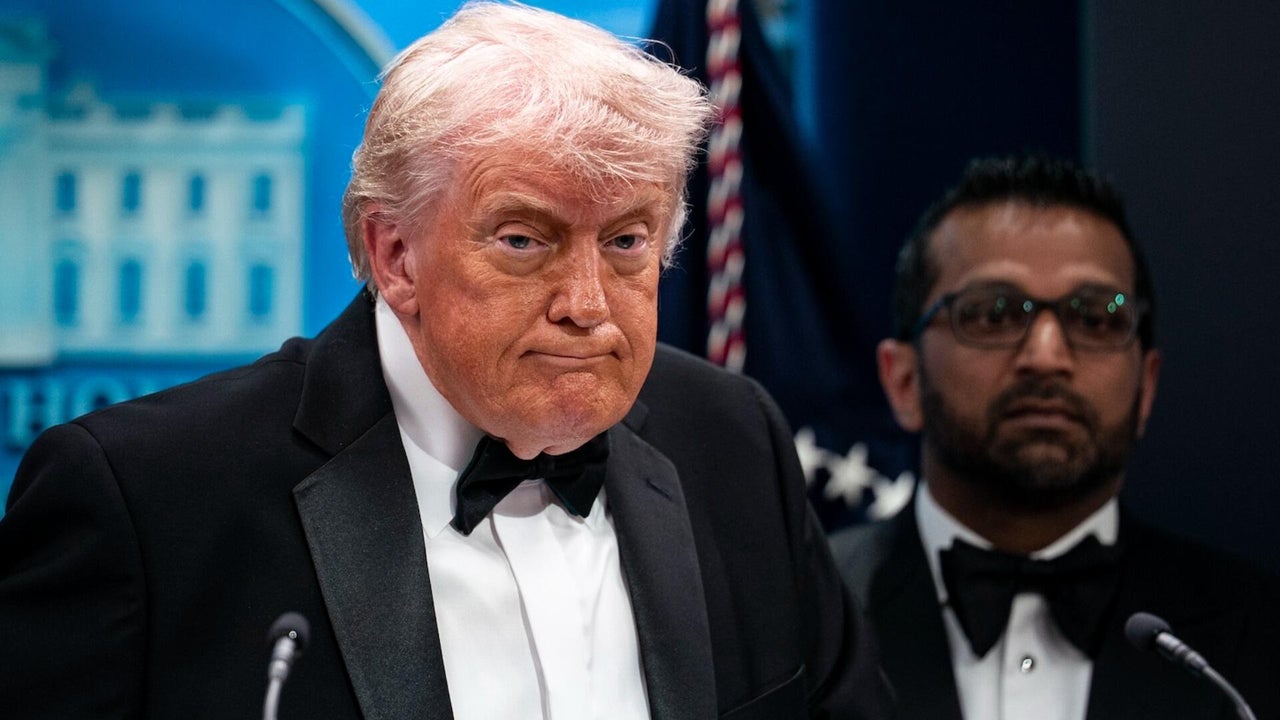
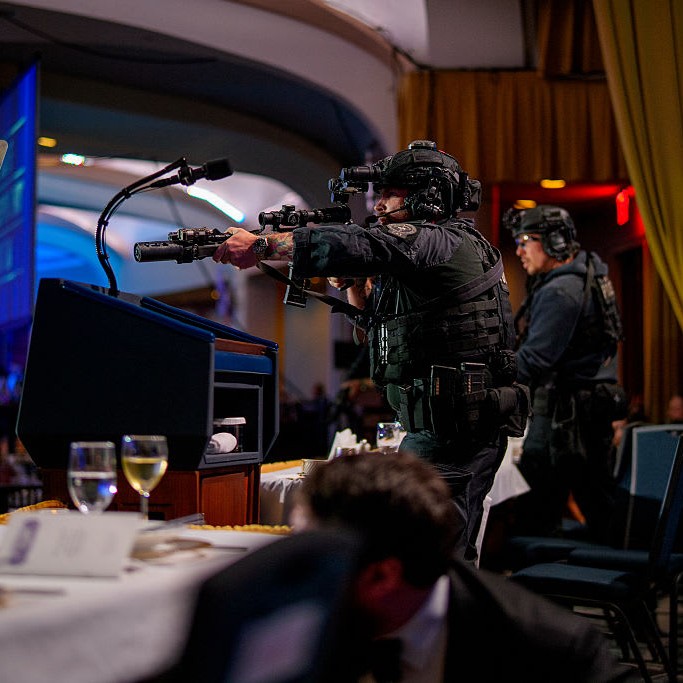
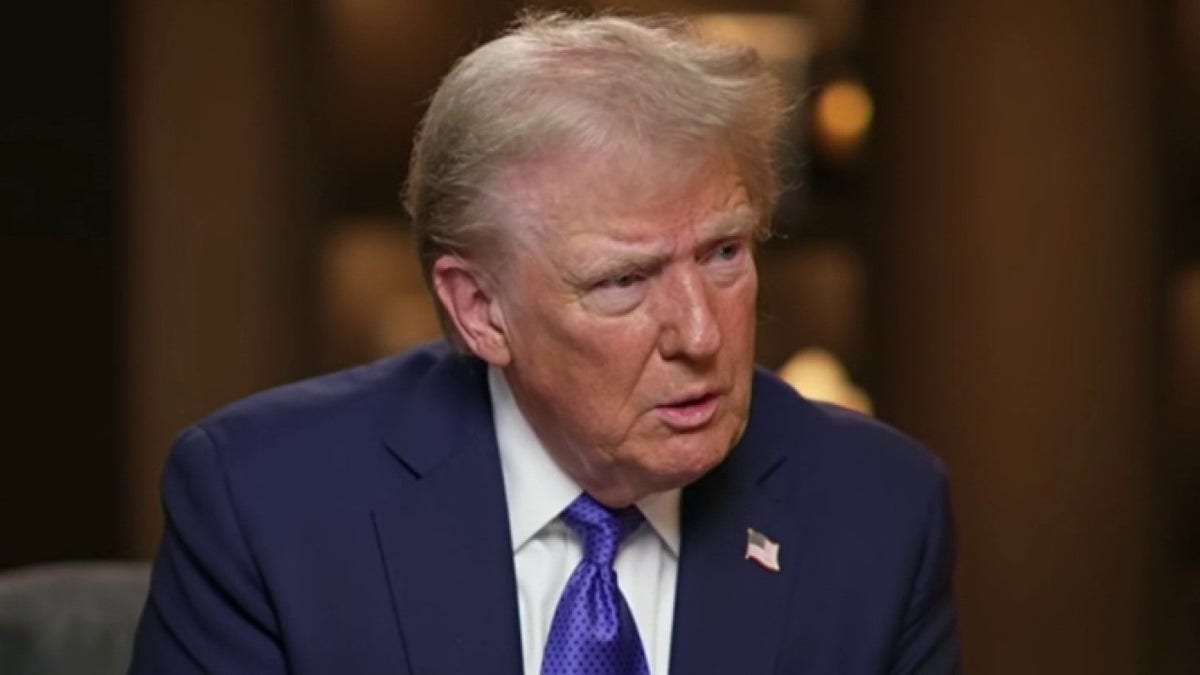
President Donald Trump has spoken publicly about a recent incident involving a gunman at an evening event where he and the first lady were present, describing the experience and his views on political violence in a televised interview. The sit-down with Norah O’Donnell on the program 60 Minutes offers an early, first-hand account of what he says happened and how he interprets the threat.
The conversation comes at a time when concerns about political violence and the safety of public officials remain high. Assassination attempts on U.S. presidents are rare, but when they occur or are alleged, they raise urgent questions about security, political rhetoric, and the health of the democratic system.
In the interview, Trump links the apparent attempts on his life to what he calls his consequential record in office and to divisive policy debates. His framing, and the questions he faces about it, help set the tone for how the public may understand both the incident and the broader political climate.
Key Facts and Quotes
CBS News released the full transcript of Norah O’Donnell’s 60 Minutes interview with President Trump on April 26, 2026. In it, O’Donnell notes that the prior night’s incident appears to be the third attempted assassination on his life, mentioning earlier episodes in Butler and at a golf course in Florida; that characterization is hers, based on how she describes the events during the interview.
Asked whether he believed he was the target of the gunman, Trump replies that he does not know for certain but says he read what he describes as a manifesto by the suspect. According to Trump, the writer appeared to have been radicalized, moving from being a Christian believer to what he calls anti-Christian views, and was someone whose family had reported concerns to police. He tells O’Donnell that the man was probably a pretty sick guy, while no independent law enforcement account is detailed in the transcript.
O’Donnell presses Trump on why he thinks people may be trying to kill him. Trump answers that those behind such attacks go after consequential presidents who do things, drawing a line from his own record to past presidents who were assassinated. He cites Abraham Lincoln and William McKinley and says he has carried out actions abroad, including against Iran and Venezuela, that he argues other presidents avoided. In his words, they go after presidents who do things.
The interview also turns to domestic policy and polarization. O’Donnell notes that Trump’s policies are controversial, and he disputes that label, saying he focuses on what is good for the country. He claims he inherited the worst border in U.S. history and describes migrants in harsh terms, including references to criminals and people released from prisons and mental institutions. He also highlights his opposition to transgender participation in women’s sports. I do not think they are controversial. I think the other side is controversial, he says, adding that he believes the United States is now respected all over the world.
Trump recounts the moment he realized something was wrong at the event, saying it was around the time an entertainer, mentalist Oz Pearlman, was performing at the table where he sat next to the first lady. He notes the expression on her face and praises the evening’s host, identified as CBS News correspondent Weijia Jiang, before the situation shifted from light entertainment to alarm, according to his description.
What It Means for You
For viewers and readers, the interview is an early narrative of a serious security scare involving a sitting president. It shows how Trump himself is choosing to explain the incident, its possible motives, and his broader sense of being under threat, all before full investigative findings have been made public.
The way leaders talk about violence against them can influence public attitudes, political debate, and even future security measures. As more information emerges from law enforcement and security reviews, this interview will likely be one reference point for understanding both what happened at the event and how it fits into a larger conversation about political risk and responsibility.
What questions do you think journalists should prioritize when interviewing leaders about incidents of political violence and personal security?
Sources
CBS News, full transcript of Norah O’Donnell’s 60 Minutes interview with President Donald Trump, published April 26, 2026.