Why This Matters
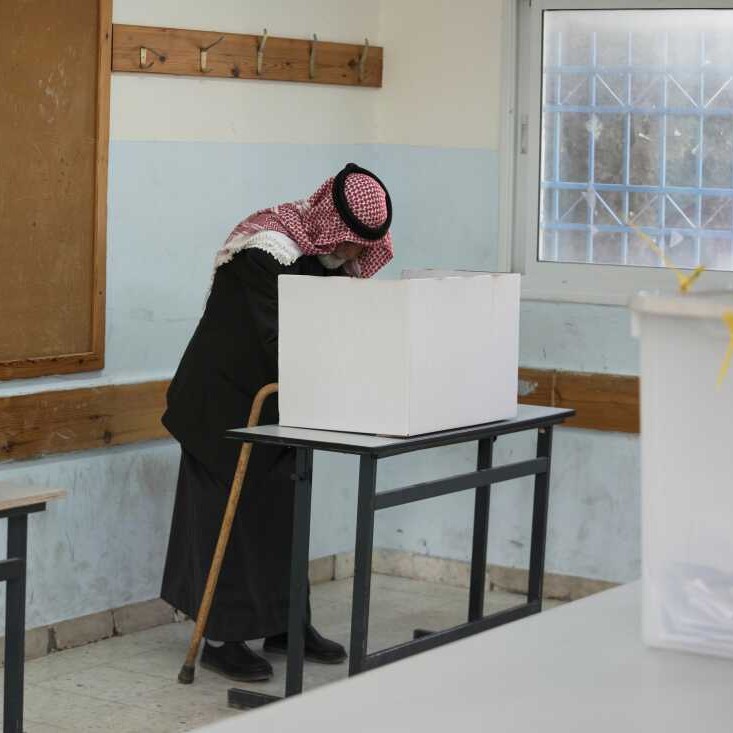
Local elections held in a Gaza community and across the Israeli-occupied West Bank are being described by Palestinian officials as a small but important move toward long-delayed presidential and legislative elections. No national vote has been held in the Palestinian territories in more than two decades.
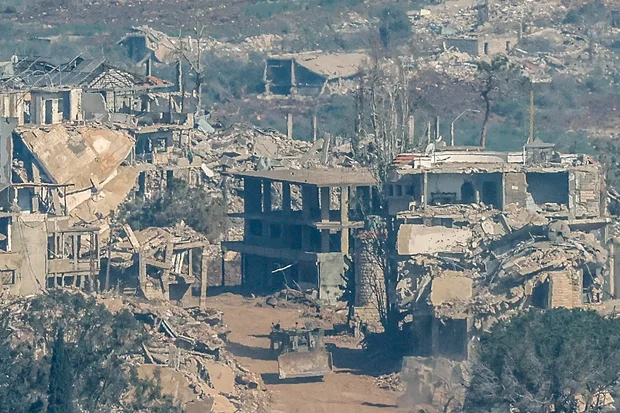
The ballots come as Gaza remains devastated by two years of war and as the Palestinian territories are physically and politically fragmented. The Palestinian Authority, which governs parts of the West Bank and is recognized internationally, has been largely sidelined from current ceasefire arrangements for Gaza.
Though the contests were only for local councils, which oversee basic services like water, roads, and electricity, officials and some voters see them as a test of whether Palestinian institutions can still organize elections and potentially reunify governance between the West Bank and Gaza.
Key Facts and Quotes
The Palestinian Authority said the elections took place Saturday in Deir al-Balah, a city in central Gaza, and in multiple West Bank municipalities. It was the first election in any part of Hamas-run Gaza in more than 20 years. Officials reported turnout of about 23% in Deir al-Balah and 56% in the West Bank, or more than half a million voters, citing wartime displacement and outdated civil records as major obstacles.
Hamas, which controls roughly half of Gaza under the current ceasefire arrangement, did not field candidates and did not try to block the vote, according to election officials. Candidates were required to accept the Palestine Liberation Organization’s program, which includes recognizing Israel and renouncing armed struggle. That condition effectively sidelined Hamas and other factions, and results were dominated by independents and Fatah, the movement that leads the Palestinian Authority.
The elections followed reforms pressed by international partners that allow people to vote for individual candidates rather than party slates. With trust in political parties low, local campaigning often centered on families and clans. Rami Hamdallah, chair of the Central Election Commission and a former prime minister, said, “Everyone is aware of the political, security, and economic conditions, the fragmentation of Palestinian territory, the war on Gaza, and the regional conflict in Iran,” calling the vote a reflection of national unity and expressing hope that “presidential and legislative elections will follow.”
The Palestinian Authority has not held a presidential election in 21 years. President Mahmoud Abbas, now 90, was elected in 2005 to what was meant to be a four-year term, and no presidential or parliamentary elections have been held since 2006. The Authority was forced out of Gaza after Hamas won the 2006 legislative elections and seized control by force. Prime Minister Mohammad Mustafa called the new local votes “another step on the path to full independence,” while Israel’s government under Prime Minister Benjamin Netanyahu continues to oppose a sovereign Palestinian state. Many Palestinians, including businessman Bashar Masri, have publicly argued that “municipal elections are an important step, but they are not enough” and have called for full general elections.
What It Means for You
For readers in the United States and elsewhere, these elections offer a glimpse into how Palestinian institutions are functioning during war and political stalemate. The outcome may shape international debates over who should govern Gaza in the future and how any broader peace or statehood talks might be structured.
In the coming months, observers will watch whether additional local votes are held in other parts of Gaza, whether Abbas moves toward long-promised presidential and legislative elections, and how Hamas and Israel respond. The level of turnout, especially in a war-damaged Gaza community, will also be a key measure of public confidence in existing Palestinian leadership.
How do you see local elections fitting into the wider search for political representation and long-term stability for Palestinians and Israelis alike?
Sources
Reporting and figures from an Associated Press dispatch published via NPR on April 27, 2026; statements by Rami Hamdallah and the Palestinian Central Election Commission at a post-election news conference on April 26, 2026.