Why This Matters
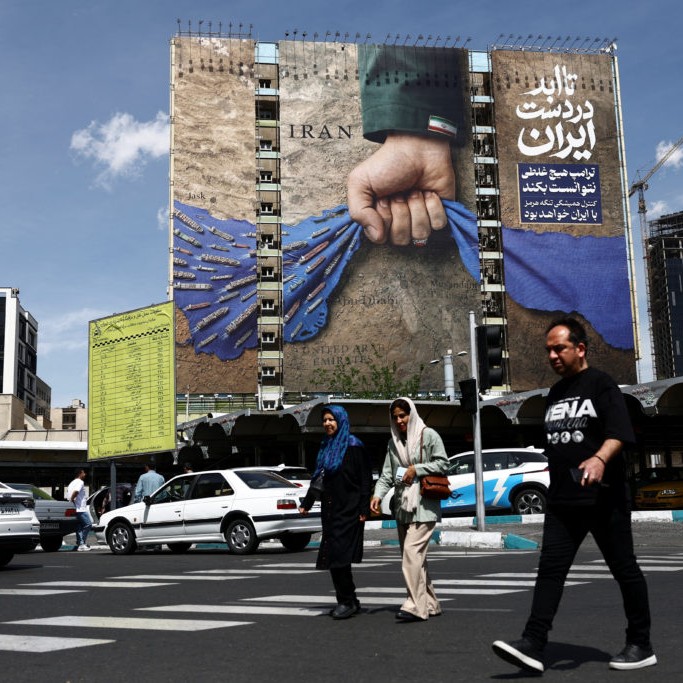
Iran has signaled it is willing to reopen the Strait of Hormuz, a key oil and gas chokepoint, if the United States ends its blockade on Iranian oil exports and the current war concludes, according to regional officials cited in reporting by PBS NewsHour and the Associated Press. Talks over Iran’s nuclear program would be pushed to a later stage.
The Strait of Hormuz carries about one-fifth of the world’s traded oil and gas in peacetime. Its closure, combined with the U.S. effort to block Iranian oil sales, has driven up global energy costs, disrupted fertilizer and food markets, and added strain to already high inflation in many countries.
For the United States, the standoff combines national security, economic pressure at the gas pump, and election-year politics. The war that began on Feb. 28 involving the U.S., Iran, and Israel has killed thousands, while also drawing in Lebanon and Gulf Arab states, underscoring how any deal over the strait is tied to wider regional stability.
Key Facts and Quotes
Two regional officials, speaking anonymously because the talks are private, said Iran’s proposal was relayed to Washington through Pakistan. Under the offer, Iran would end its chokehold on traffic through the strait if the U.S. lifts its oil blockade and the war ends, while negotiations over Iran’s nuclear program would be deferred. Axios first reported details of the proposal, which has not been publicly released in full.
U.S. President Donald Trump appears unlikely to accept the terms as presented, the Associated Press reported. Trump told reporters that, after he canceled a trip by his envoys to Pakistan, Iran sent a “much better” proposal, without elaborating. He has repeatedly said one of his conditions is that Iran must not obtain a nuclear weapon, and U.S. officials want Tehran’s stockpile of highly enriched uranium removed.
The strait remains blocked, leaving tankers stranded in the Persian Gulf and pushing Brent crude to about $108 per barrel, nearly 50% higher than when the war began, according to the AP account. Iranian Foreign Minister Abbas Araghchi is touring Russia, Pakistan, and Oman, and speaking with officials in Qatar and Saudi Arabia. Araghchi told Iran’s state-run IRNA agency it was a chance to consult with ‘our Russian friends’ about the war. Mediators say Iran insists the U.S. end the blockade before new direct talks, and Tehran is pressing Oman, which shares the strait, to back a toll system on ship traffic. The role Moscow or Muscat might play remains unclear.
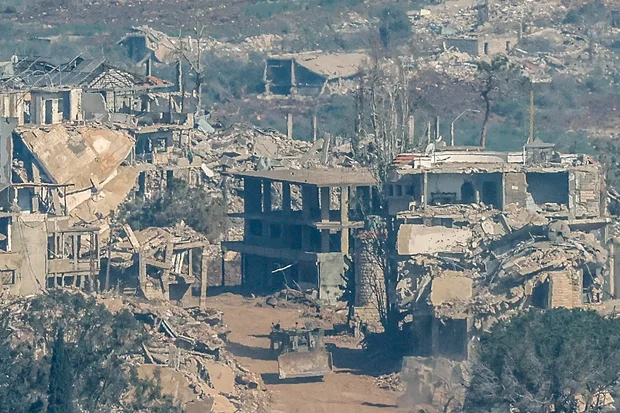
Since the conflict started, at least 3,375 people have been killed in Iran, and 2,509 in Lebanon, where fighting between Israel and the Iran-backed Hezbollah resumed soon after the Iran war began, according to the AP report. Additional deaths have been reported in Israel, the Gulf Arab states, among U.S. service members, and among U.N. peacekeepers. A ceasefire between Israel and Hezbollah has been extended by three weeks, but Hezbollah has not joined the wider diplomacy.
What It Means for You
For consumers and businesses, the outcome of these talks will help determine how long elevated prices for gasoline, heating fuel, shipping, and basic goods persist. A reopening of the Strait of Hormuz, even a partial one, could ease some pressure on global energy markets and, over time, on household budgets and retirement portfolios sensitive to market swings.
In the weeks ahead, analysts will be watching whether the U.S. and Iran can narrow their differences over sanctions relief, security guarantees, and nuclear restrictions. A deal could lower the risk of a wider regional war and calm markets; a breakdown could prolong high prices and keep military tensions elevated around one of the world’s most sensitive waterways.
How do you think energy security and economic stability should be balanced against military and diplomatic pressure in situations like this?
Sources
Associated Press reporting carried by PBS NewsHour, including work by Samy Magdy, Jon Gambrell, and Elena Becatoros, published April 27, 2026; statements and video interview from Iran’s state-run IRNA news agency, April 2026; regional mediation details and initial proposal description as attributed to unnamed officials and to Axios in the Associated Press report.