Why This Matters
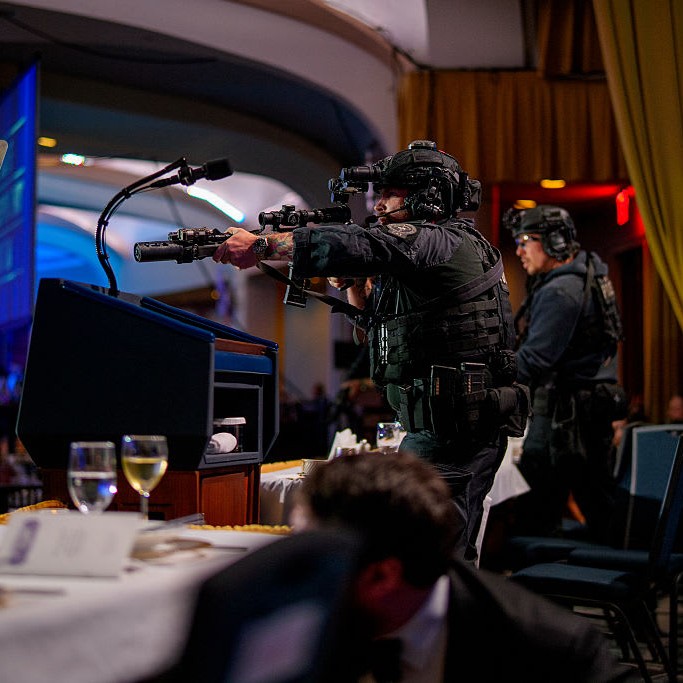
A shooting attempt at the White House Correspondents’ Dinner, a major Washington gala that draws the president, senior officials, and leading journalists, has renewed concerns about political violence and event security. Authorities say the suspect outlined his intentions in a detailed email described as a manifesto.
The document, reviewed by CBS News, suggests the suspect set out to target Trump administration officials in a ranked order, while saying he did not intend to harm law enforcement, hotel staff, or guests unless they stood in his way. That mix of specific political grievance and conditional violence is now a key focus for investigators.
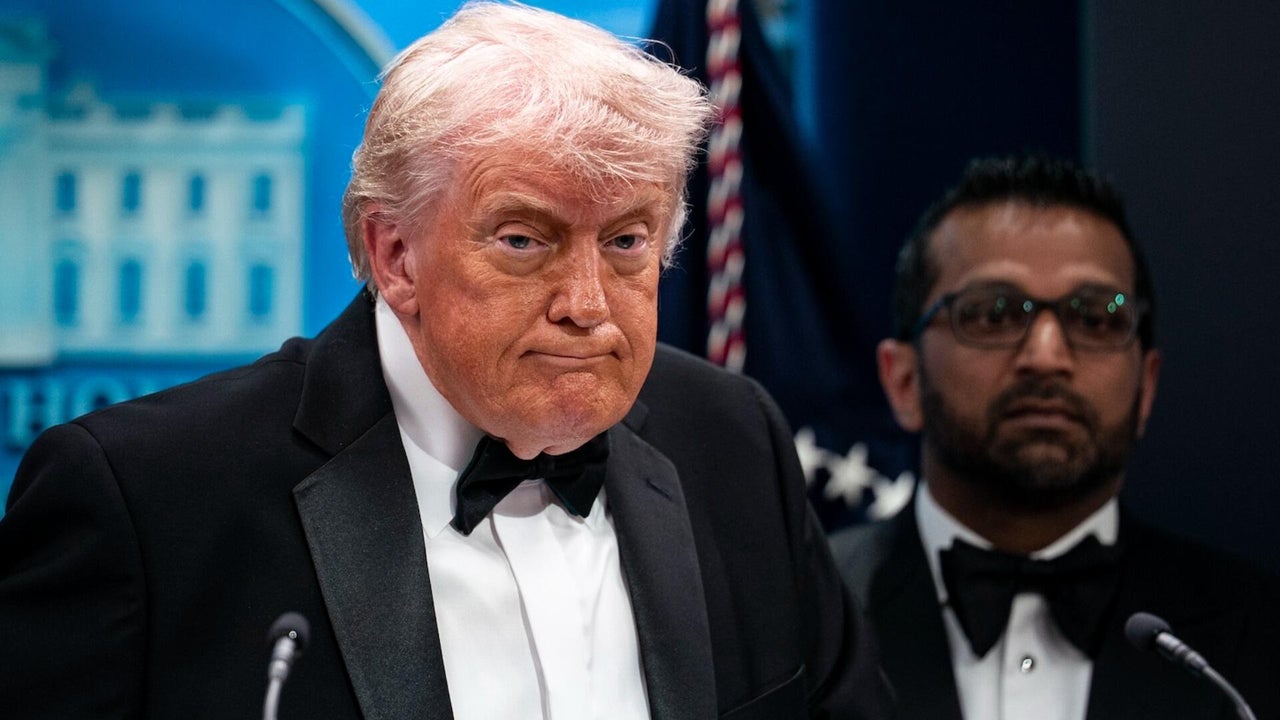
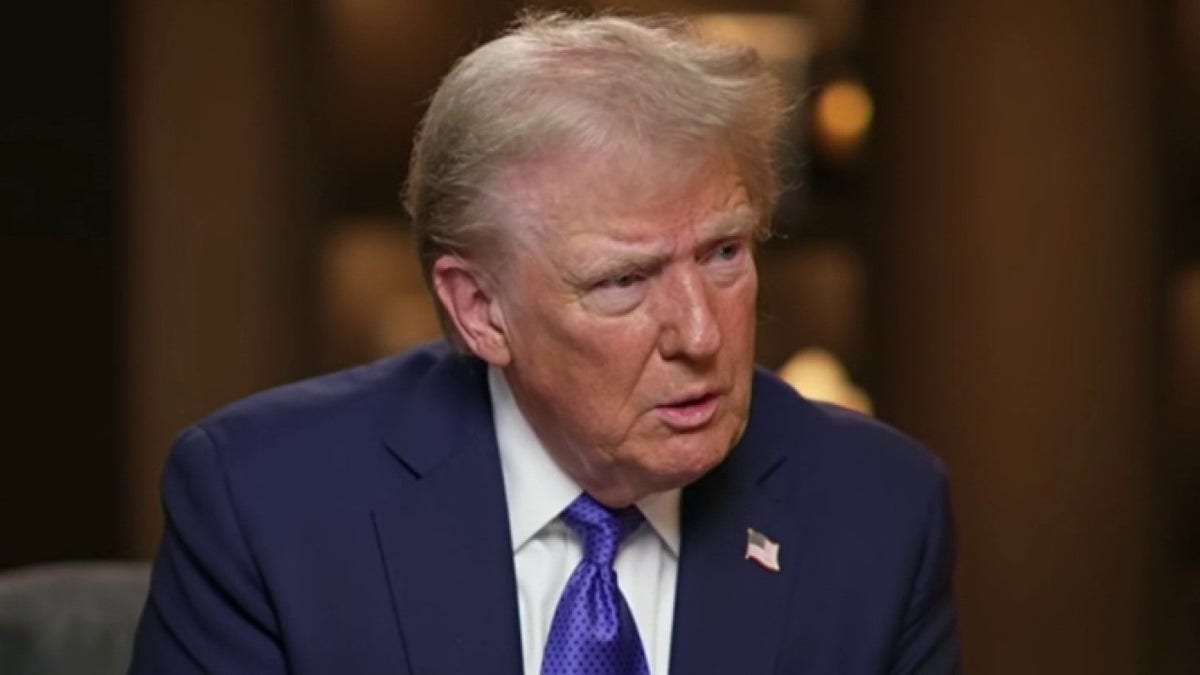
More than 2,500 people attended the dinner at the Washington Hilton, which is held annually to celebrate the First Amendment and the press. Former President Donald Trump, who had skipped the event in previous years of his presidency, attended this time and has since said he hopes to reschedule the canceled dinner within 30 days.
Key Facts and Quotes
The suspect, identified as 31-year-old Cole Allen of Torrance, California, allegedly sent the manifesto-style email to family members before the attack, according to CBS News. In it, he wrote that Trump administration officials were “prioritized from highest-ranking to lowest” on his target list, and claimed he was acting so the administration’s alleged “crimes” would not “coat [his] hands.”
Allen also wrote that law enforcement officers, hotel employees, and guests were not his intended targets, but suggested he would be willing to harm them to reach his primary objectives. “I really hope it doesn’t come to that,” he wrote, in what investigators describe as a matter-of-fact and at times ironic tone, opening with, “Hello everybody! So I may have given a lot of people a surprise today.”
Acting Attorney General Todd Blanche said Allen charged a security checkpoint outside the dinner armed with a shotgun, a handgun, and knives. Former President Trump and other officials were quickly escorted out, and the event was canceled. A Secret Service officer was shot but was wearing a bulletproof vest and was released from the hospital the next day, officials said.
In the manifesto, Allen wrote that he hoped not to target Secret Service, Capitol Police, or National Guard personnel, adding, “I hope they are wearing body armor.” He claimed he would use buckshot rather than solid slugs “in order to minimize casualties” by reducing penetration through walls. He also referenced an FBI director he called “Mr. Patel,” saying that official would not be among his targets. His sister later told investigators he often used “radical” rhetoric and talked about doing “something” to fix what he saw as problems in society.
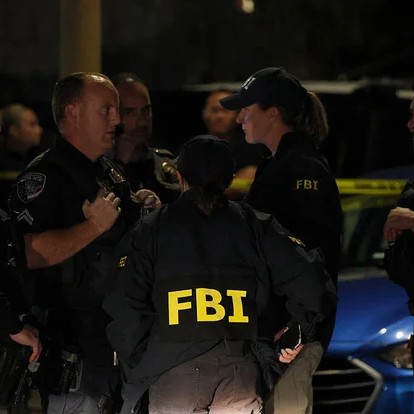
According to CBS News, Allen’s brother, alarmed by the email, contacted police in Connecticut on Saturday night. Authorities say they later found additional writings at Allen’s home in California and in his 10th-floor room at the Washington Hilton, where the dinner was being held. In one passage, Allen apologized to his parents for saying he had a job interview without explaining that it was for “Most Wanted,” a reference investigators say appears to be dark humor about his anticipated notoriety.
What It Means for You
The case is likely to prompt fresh scrutiny of how law enforcement assesses threats against political figures and high-profile events, especially when suspects leave written warnings. Manifestos, emails, and online posts have become an important part of threat analysis, helping investigators understand motives and potential warning signs that family or friends might notice in advance.
For the public, officials often stress that reporting alarming language or behavior, as Allen’s brother did, can be crucial in preventing or limiting attacks. As investigators examine this incident and event organizers review security procedures, the discussion is expected to broaden to include political rhetoric, access to weapons, and how best to safeguard large gatherings without shutting them down entirely.
What kinds of early warning signs do you think communities should feel empowered to report, while still protecting free speech and political expression?
Sources
CBS News report by Jennifer Jacobs on the White House Correspondents’ Dinner suspect and his manifesto, published April 26, 2026; Statements attributed to acting Attorney General Todd Blanche and law enforcement officials as summarized in the same report.