TL;DR
Five years after the Capitol attack, Trump’s broad Jan. 6 pardons end most prosecutions and deepen the political fight over what really happened.
Why This Matters
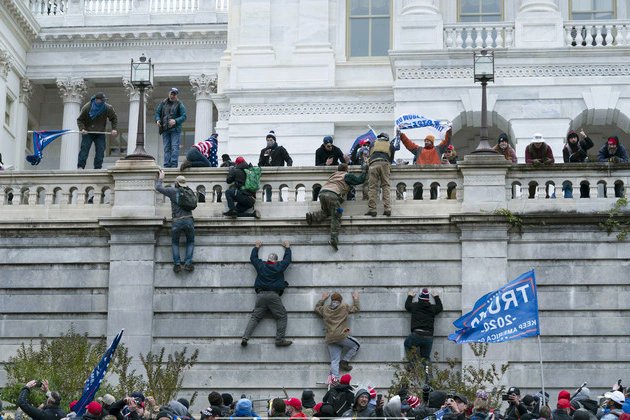
Five years after the Jan. 6, 2021 attack on the U.S. Capitol, the broken windows are fixed and many physical injuries have healed. But the country is still wrestling with what happened that day and how to respond. On his first day back in office, President Donald Trump issued sweeping pardons for more than 1,500 Jan. 6 defendants, effectively ending what had been described as the largest criminal prosecution in U.S. history.
The move has reopened deep debates about political violence, accountability and presidential power. Supporters say the Justice Department overreached in its prosecutions and that many defendants faced unfair treatment. Critics argue the pardons undermine the rule of law, erase the suffering of injured officers and invite future violence by removing consequences.
The clash is not just about the legal system; it is also about public memory. Lawmakers, police officers and former investigators say there is an organized effort to rewrite or minimize the events of Jan. 6, even as extensive video, court records and officer testimony describe a violent assault on Congress during the certification of the 2020 election results.
Key Facts & Quotes
According to court records and official summaries of the Capitol cases, more than 1,500 people were charged in connection with the Jan. 6 attack, making it the largest criminal prosecution in American history. A broad set of presidential pardons issued this year wiped away federal criminal liability for those defendants, including hundreds who had pleaded guilty or were still awaiting trial.
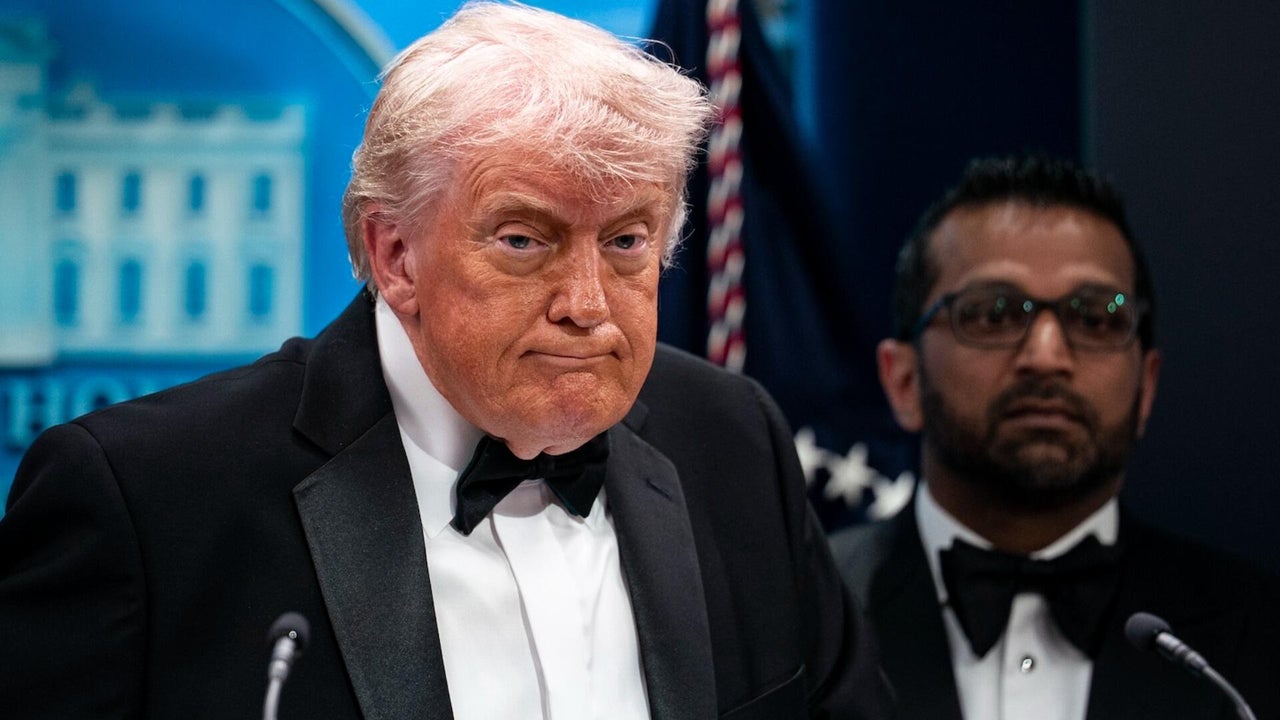
President Trump and some allies have long accused the Biden-era Justice Department of “weaponizing” prosecutions against Jan. 6 defendants. At a January 2025 news conference, he said, “These people have already served years in prison, and they’ve served them viciously,” and claimed that “murderers don’t even go to jail in this country.” His remarks did not acknowledge that more than 1,000 riot defendants never served years in custody, and that many pardoned individuals had not yet faced trial.
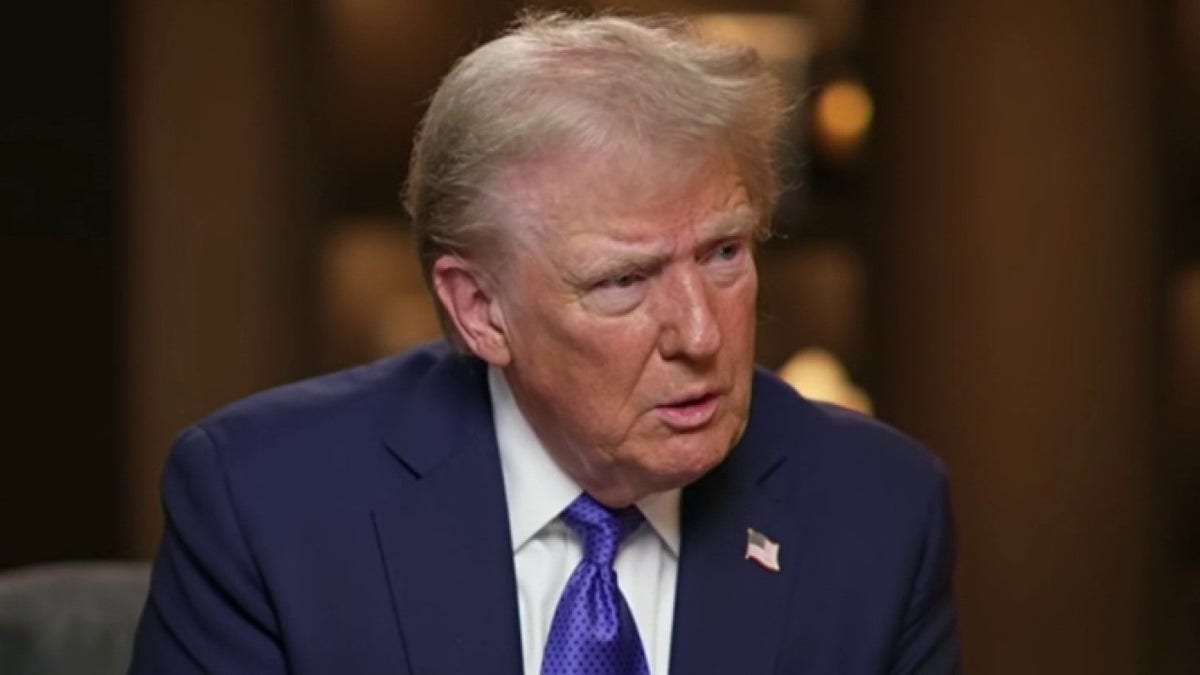
In a televised interview shortly after returning to office, Trump argued that “most of the people were absolutely innocent” and described assaults on police as “very minor incidents.” Those assertions conflict with a perfect conviction record for federal prosecutors in jury trials where defendants pleaded not guilty, and with defendants’ own sworn guilty pleas in many cases.
Public filings and statements from the union representing Capitol Police officers say about 140 officers were injured on Jan. 6. They describe attacks with bats, poles, chemical sprays, sticks and fists, leaving some officers with cracked ribs, damaged spinal disks and brain injuries. Several officers died by suicide in the weeks following the siege.
Dan Hodges, a Washington, D.C., police officer injured that day, told reporters he is frustrated by efforts to erase or downplay the violence. “Five years ago I thought: This has to be the most videotaped crime in American history. It’s just so much evidence. There’s no way anyone can possibly deny what occurred here,” he said. “But that’s exactly what’s happening.” He added, “The attack was everything it appeared to be on television.”
Democratic lawmakers are organizing a public meeting with witness testimony to push back on what they call misinformation. In a letter to colleagues, House Democratic Leader Hakeem Jeffries said the session would “expose the election deniers who hold high-level positions of significance in the executive branch and detail the threats to public safety posed by the hundreds of violent felons who were pardoned on the President’s first day in office.”
🏛️ US House Democrats examine aftermath of Jan. 6, 2021, Capitol attack ahead of anniversary, focusing on actions taken under US President Donald Trump
→ Reports highlight pardons for Capitol riot defendants and dismissal of Justice Department officials tied to prosecutions… pic.twitter.com/2UqwdAIk6P
— Anadolu English (@anadoluagency) January 6, 2026
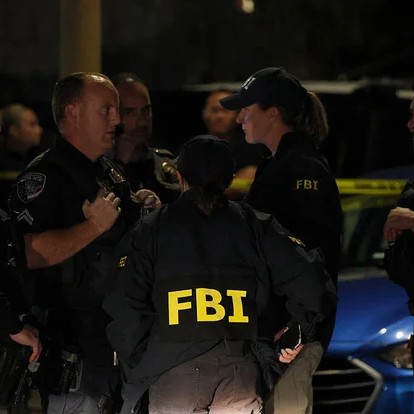
Some Trump supporters and Jan. 6 defendants have labeled the prosecutions “staged,” “fake” or a “fed-surrection,” claiming the riot did not happen as it appeared on live television. In an October 2025 social media post, Trump asserted that 274 FBI agents were embedded in the crowd, even though Joe Biden had not yet taken office at the time of the attack. Trump-appointed FBI Director Kash Patel has said the agents were deployed for crowd control duties, and no evidence has emerged that the bureau orchestrated the riot.
Rep. Bennie Thompson of Mississippi, who chaired the former House January 6th Select Committee, said, “Are we not supposed to believe what we saw with our own eyes? We have to keep repeating it, because these individuals with larger microphones keep calling it ‘fake news.'”
At the White House, officials declined to directly address Trump’s characterizations of Jan. 6 or the defendants he pardoned. Spokeswoman Abigail Jackson said in a statement that “the media’s continued obsession with January 6 is one of the many reasons trust in the press is at historic lows – they aren’t covering issues that the American people actually care about.” She added that Trump was “resoundingly reelected” to focus on securing the border, reducing crime and boosting the economy.
Several Democrats in the Senate argue the pardons weaken accountability. Sen. Peter Welch of Vermont warned of “a process to rewrite what happened on January 6 and essentially erase it,” saying, “They’re literally in the process of rewriting it.” Sen. Amy Klobuchar of Minnesota, who helped lead a bipartisan Senate review of security failures at the Capitol, said, “Congress and Vice President Pence did our job that day: democracy prevailed.” She added, “While we have come together on a bipartisan basis to strengthen our electoral process, the President’s pardons and attempts to rewrite history are an insult to law enforcement and undermine our democracy.”
What It Means for You
For many Americans, the latest update on Jan. 6 is less about the past and more about what comes next. The pardons highlight how much power a president holds over the justice system, especially in politically charged cases. They may shape how future presidents think about clemency and how law enforcement approaches violent incidents around elections and protests.
The dispute over “what really happened” also affects public trust. Competing claims about basic facts – despite video evidence and court findings – can deepen polarization and make it harder for citizens to agree on shared reality, even before they debate policy. For older Americans who experienced earlier eras of political unrest, the Jan. 6 story may influence how safe they feel engaging in politics, visiting Washington, or watching future elections unfold.
Congressional hearings, public meetings and new statements from former officials and police officers are likely to continue. How these events are covered and discussed may help determine how history records Jan. 6 – and how the country responds to political violence in the years ahead.
What do you think? How should the country balance accountability for Jan. 6 with concerns about overreach and deepening political division?