TL;DR
The National Governors Association pulled out of President Donald Trump’s traditional White House breakfast after he declined to invite two Democratic governors, turning a rare bipartisan gathering into a more partisan event.
Why This Matters
The National Governors Association (NGA), founded more than a century ago, has long served as one of the few reliably bipartisan spaces in Washington, where Republican and Democratic state leaders coordinate on issues from infrastructure and healthcare to disaster response. Its annual White House breakfast with the president has been more symbolic than legislative, but it has traditionally signaled a willingness to keep lines of communication open across party lines.
This year’s decision by the NGA to sit out the breakfast, after President Trump chose not to invite Colorado Gov. Jared Polis and Maryland Gov. Wes Moore, underscores how national political tensions are now reshaping routine intergovernmental meetings. The move raises questions about how states and the federal government will work together on shared challenges when even ceremonial events become contested.
For readers, this latest update is part of a broader pattern: growing friction between state leaders and Washington over executive power, partisan loyalty, and the early maneuvering around the 2028 presidential race. How these relationships evolve will influence everything from federal funding to how quickly states can coordinate during crises.
Key Facts & Quotes
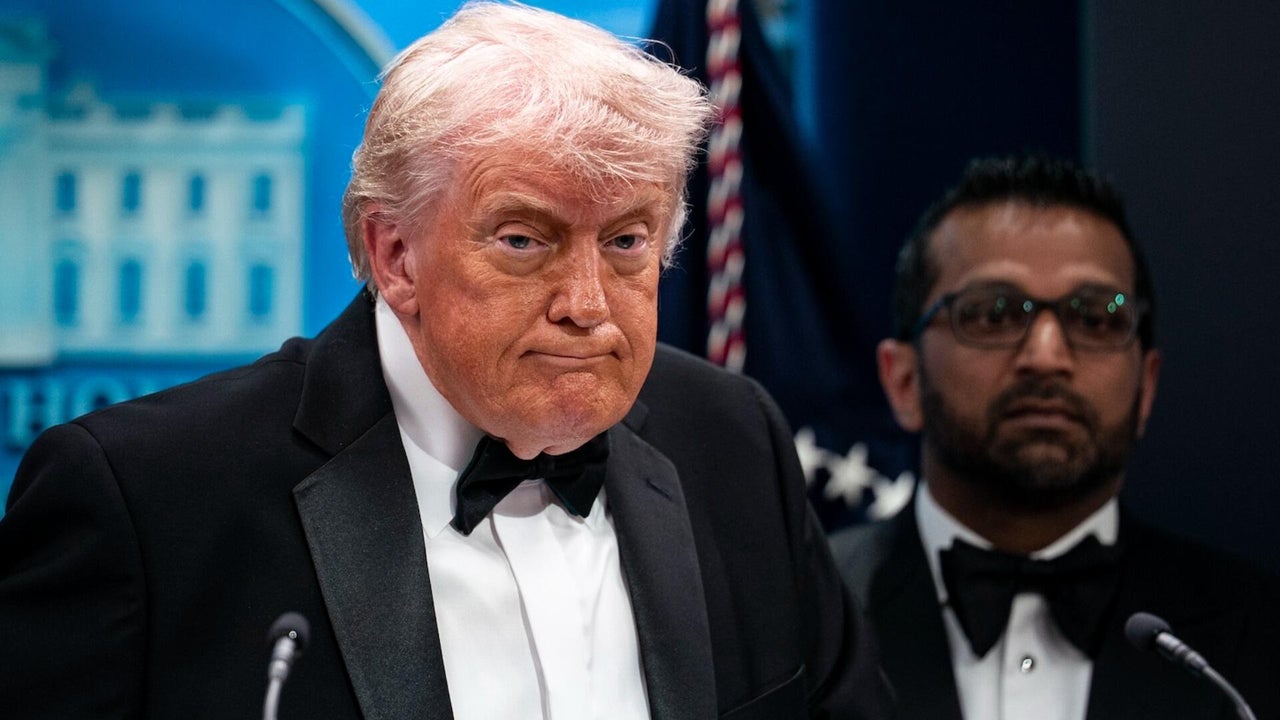
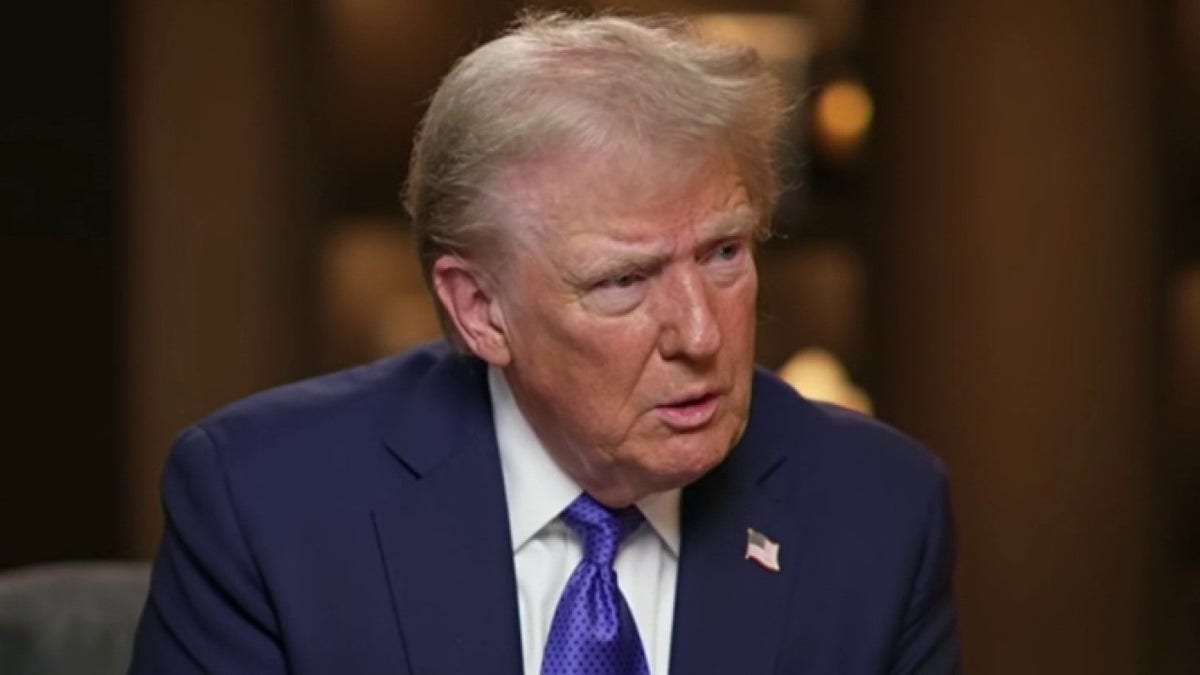
According to public remarks in Washington, the NGA withdrew from Friday’s breakfast after President Donald Trump declined to include Democratic Govs. Jared Polis of Colorado and Wes Moore of Maryland. Trump had recently criticized both men on social media, calling them “not worthy of being there.”
The White House breakfast is still going ahead, but without the bipartisan umbrella of the NGA, which normally helps organize the meeting. Polis told reporters he had “no ability to get in (Trump’s) head” but said he was nonetheless meeting with colleagues from both parties while in the nation’s capital, stressing that such gatherings are about sharing “best practices” between Republican and Democratic governors.
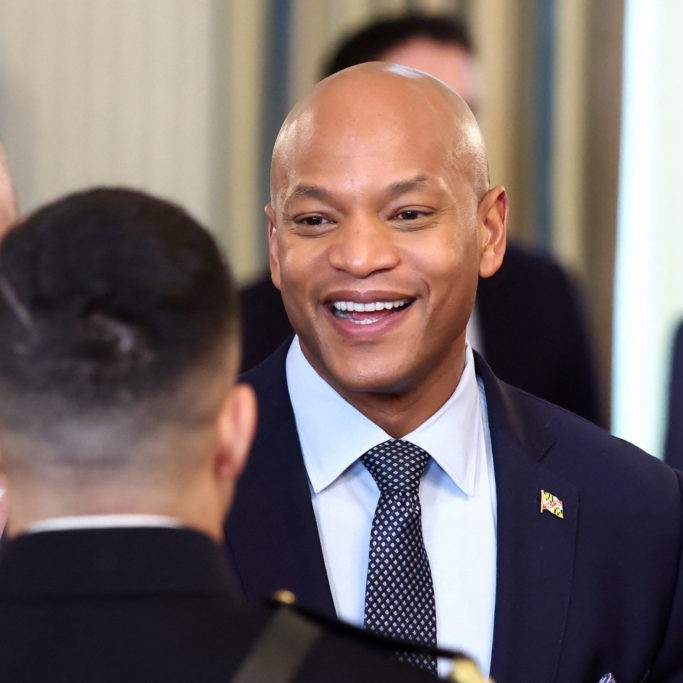
Moore, who serves as NGA vice chair, said he has “no desire to have beef with the president of the United States,” adding, “I pray for him, and I just feel bad for him because that has just got to be a really, really hard existence.”
Oklahoma Gov. Kevin Stitt, the NGA chair, tried to bridge the dispute but was labeled a “RINO” (Republican In Name Only) by Trump after attempting to mediate. Stitt nonetheless said he would attend White House events, noting, “Politics has a way of just beating you down over time, so I can’t imagine being president of the United States.”
Former Maryland Gov. Larry Hogan, a Republican, called the exclusion of two governors a “mistake,” saying the annual session was a useful moment to bring both parties together, even if “there never was a huge amount of real work that got accomplished.”
Some governors also used this week’s meetings in Washington to criticize what they see as expanding presidential power and a Congress unwilling to set limits. Utah Gov. Spencer Cox argued that “Congress needs to get their act together” and said it is increasingly “up to the states to hold the line.”
Alongside the dispute, speculation about 2028 presidential hopefuls loomed. Moore and Pennsylvania Gov. Josh Shapiro were among Democrats mentioned as possible future contenders. Kentucky Gov. Andy Beshear, who has a book coming out this fall, said he would focus on Kentucky for now and then discuss any potential presidential run with his family.
What It Means for You
For most Americans, the breakfast itself will not change day-to-day life. But the breakdown of traditions like this offers a window into how hard it has become for national and state leaders to cooperate, even on routine, symbolic events. When bipartisan forums shrink, it can be harder for governors to coordinate with the federal government on funding, regulations, and emergency response.
Looking ahead, watch whether the NGA and the White House can repair this relationship before future meetings, and whether bipartisan governor gatherings continue to include the president. Also keep an eye on which governors raise their national profiles; the same figures involved in today’s disputes could be central players in the 2028 presidential race, shaping what it means to govern in an era of deep political division.
What do you think: should long-standing bipartisan traditions be preserved at all costs, or is it reasonable for leaders to walk away when they feel the ground rules are no longer fair?
Sources: Public remarks and events involving President Donald Trump and Governors Wes Moore, Jared Polis, Kevin Stitt, Larry Hogan, Spencer Cox, Josh Shapiro, and Andy Beshear in Washington, D.C., Feb. 19-20, 2026; National Governors Association and White House public schedules.