TL;DR
A Trump-backed SAVE America Act would require documentary proof of citizenship to vote in federal elections, raising access and election integrity concerns.
Why This Matters
The SAVE America Act is the latest flashpoint in the long-running debate over how U.S. elections should balance ballot access and security. Backers say requiring documentary proof of citizenship would shore up confidence in close races. Critics warn that millions of eligible voters could find it harder to register or cast a ballot if they must first locate passports, birth certificates or naturalization papers.
Noncitizen voting in federal elections has been illegal for generations under U.S. law, and research has repeatedly found it to be extremely rare. Today, Americans typically attest under penalty of perjury that they are citizens when they register, and election officials can check registration data against other government records.
The bill arrives ahead of high-stakes midterm contests and at a time when misinformation about election rules spreads quickly. It also intersects with broader fights over whether Washington should set more national standards for how states run elections. For voters, the outcome will shape what documents they need, how early they must prepare, and how confident they feel that results are both secure and broadly accessible.
Key Facts & Quotes
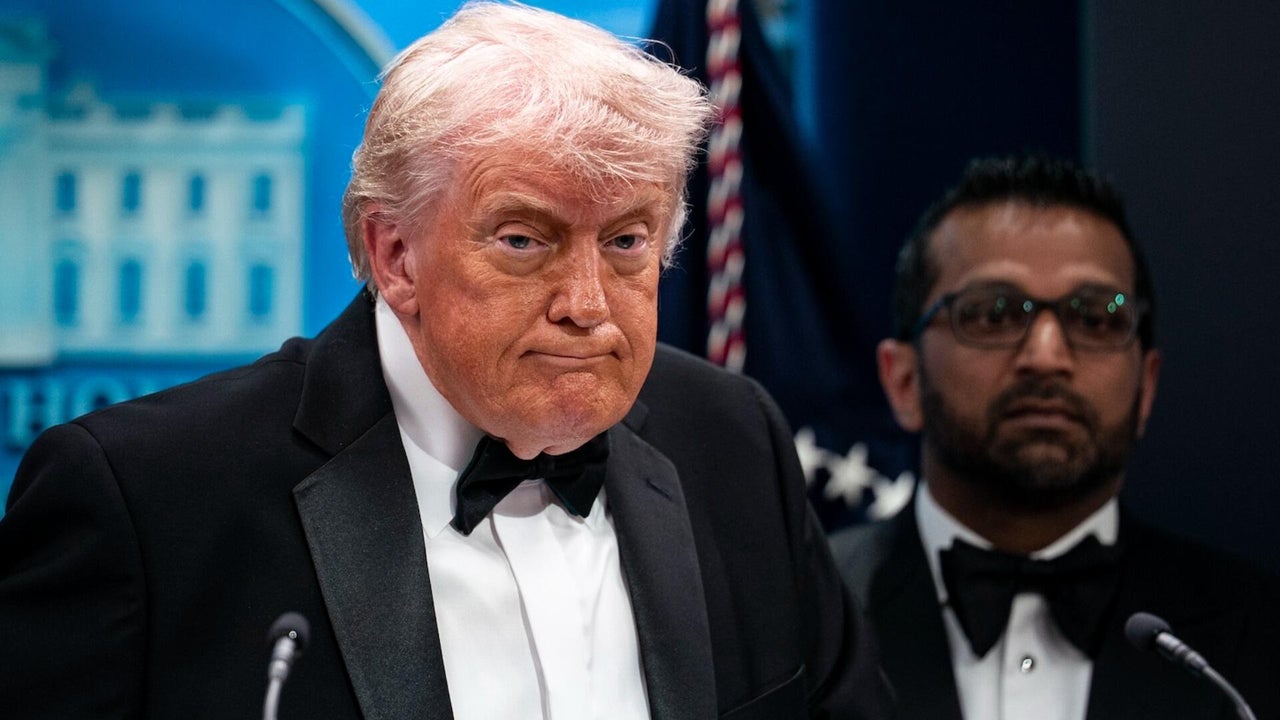
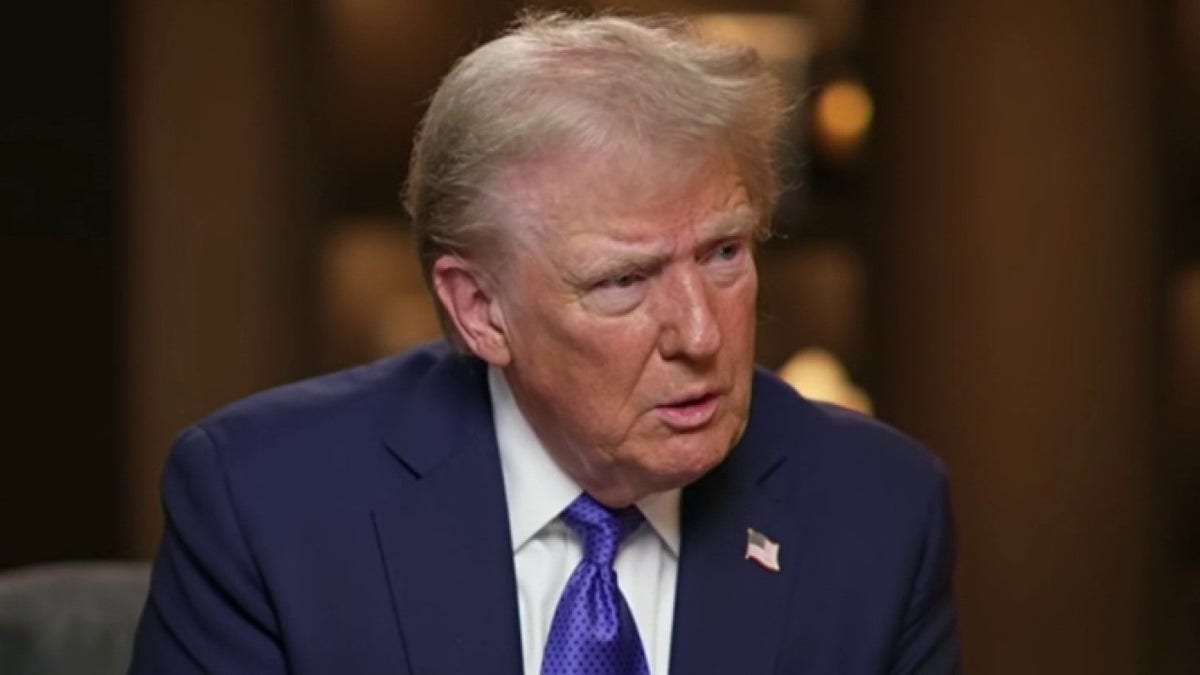
According to public reports dated Feb. 10, 2026, the SAVE America Act is a Republican-backed proposal supported by former President Donald Trump. The bill would require voters to provide documentary proof of U.S. citizenship in order to participate in federal elections.
Supporters argue that the change is necessary to protect election integrity. Some lawmakers have said that only American citizens should decide American elections
, framing the measure as a way to reassure voters who remain skeptical about recent results.
The SAVE America Act is common sense.
✅ Voter ID
✅ Proof of citizenshipEnsuring election integrity is supported by the vast majority of American people—I’ll be voting YES! pic.twitter.com/H7gb7EfFsn
— Beth Van Duyne (@Bethvanduyne) February 10, 2026
Noncitizen voting in federal races is already prohibited under federal statute, including a 1996 law that makes it a crime for noncitizens to vote in federal elections. Studies by research groups such as the Brennan Center for Justice have found documented cases of noncitizen voting to be exceedingly rare and not widespread enough to affect national outcomes.
The SAVE America Act is expected to receive a key vote in the U.S. House of Representatives, where Republicans currently hold sway. Its path in the Senate is described as uncertain, suggesting that any final law could differ from the current draft or stall entirely. Voting-rights organizations say the proposal could disenfranchise large numbers of eligible citizens who lack ready access to required documents.
Election officials have also voiced concern about separate efforts by the president to push broader changes that would more fully nationalize how elections are run, a shift some state and local administrators fear could be disruptive or politically driven.
What It Means for You
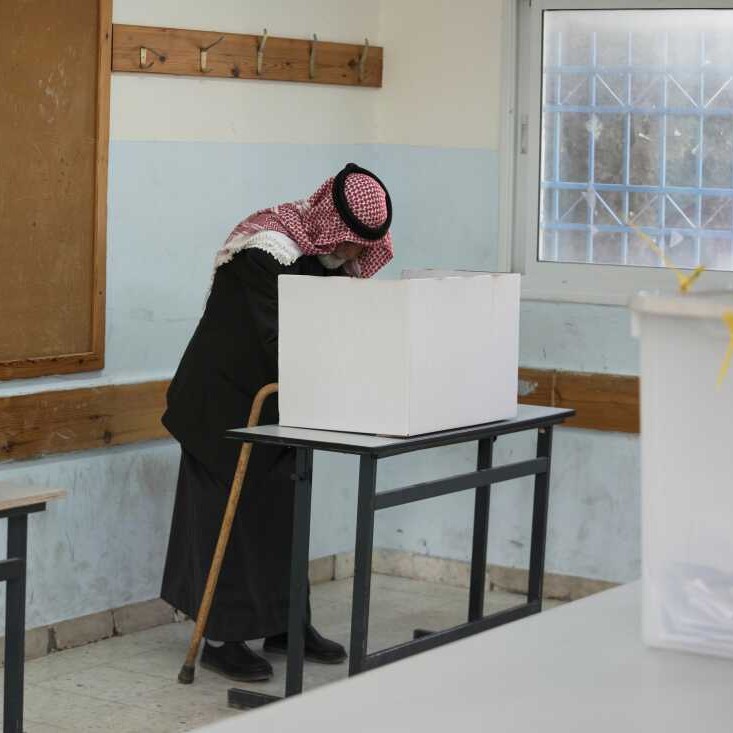
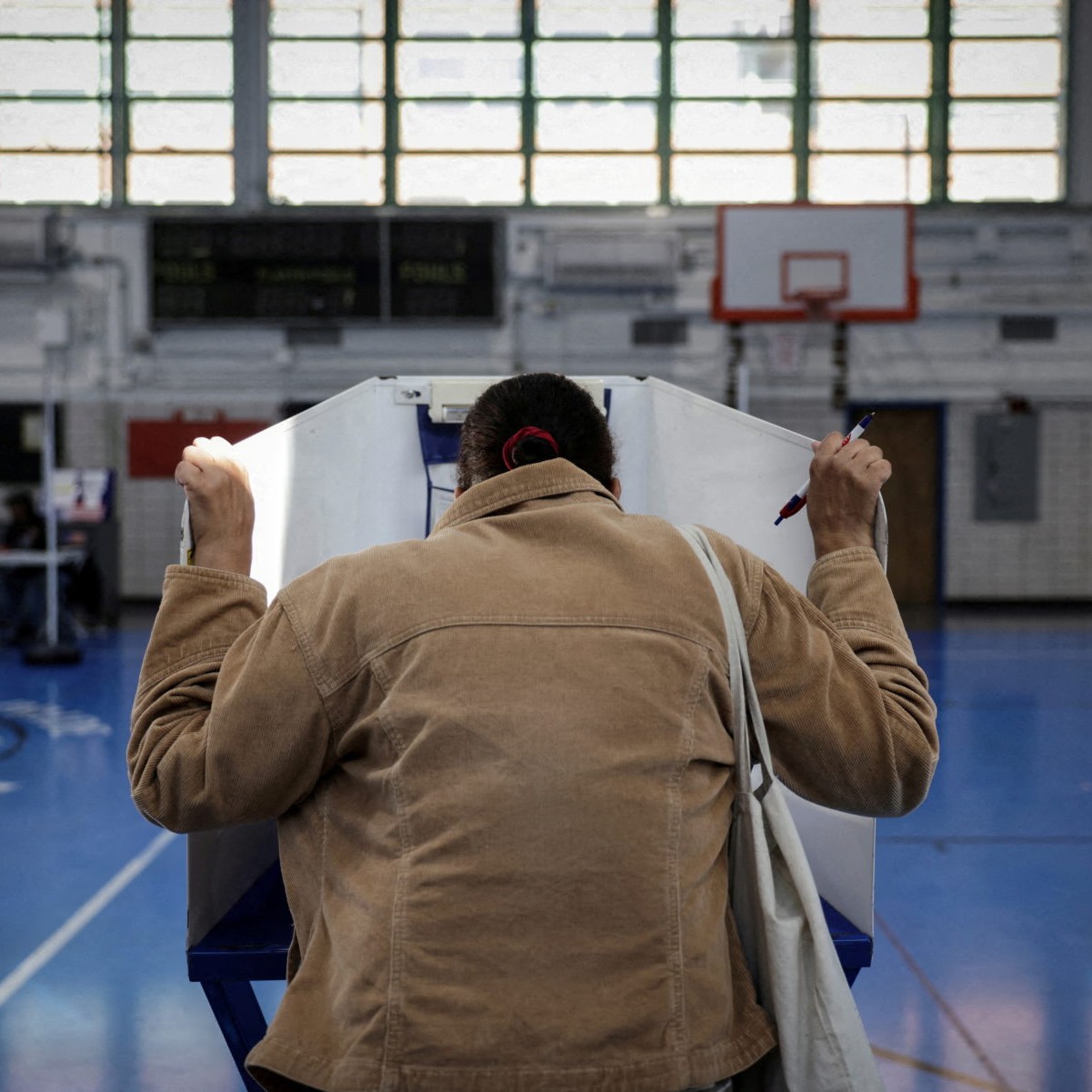
For many Americans, especially older voters, naturalized citizens, students, and people who move frequently, the SAVE America Act could change what is required to vote. If a proof-of-citizenship rule becomes law, some voters might need to track down birth certificates, passports, or naturalization documents well before registration deadlines.
Even if this specific bill does not pass, it signals that proof-of-citizenship and national election standards will remain major topics in U.S. politics. Voters may see new questions on registration forms, different ID requirements at the polls, or more frequent checks of their information against government databases. Watching how Congress, the courts, and state legislatures respond will help citizens understand the latest updates in voting rules where they live.
What safeguards or requirements around voting give you the most confidence that elections are both secure and accessible?
Sources: Public reporting on the SAVE America Act published Feb. 10, 2026; research on noncitizen voting by the Brennan Center for Justice (2017-2021); U.S. federal election law, including the National Voter Registration Act of 1993 and 18 U.S.C. 611.