Why This Matters
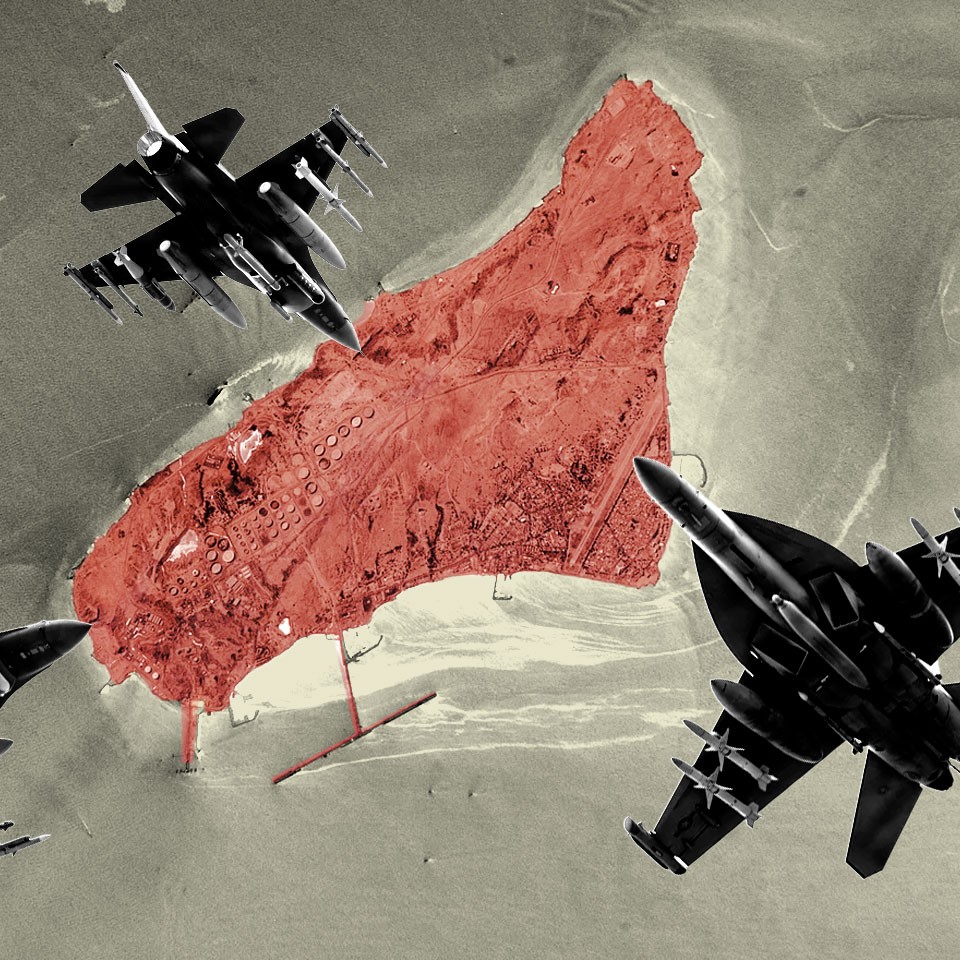
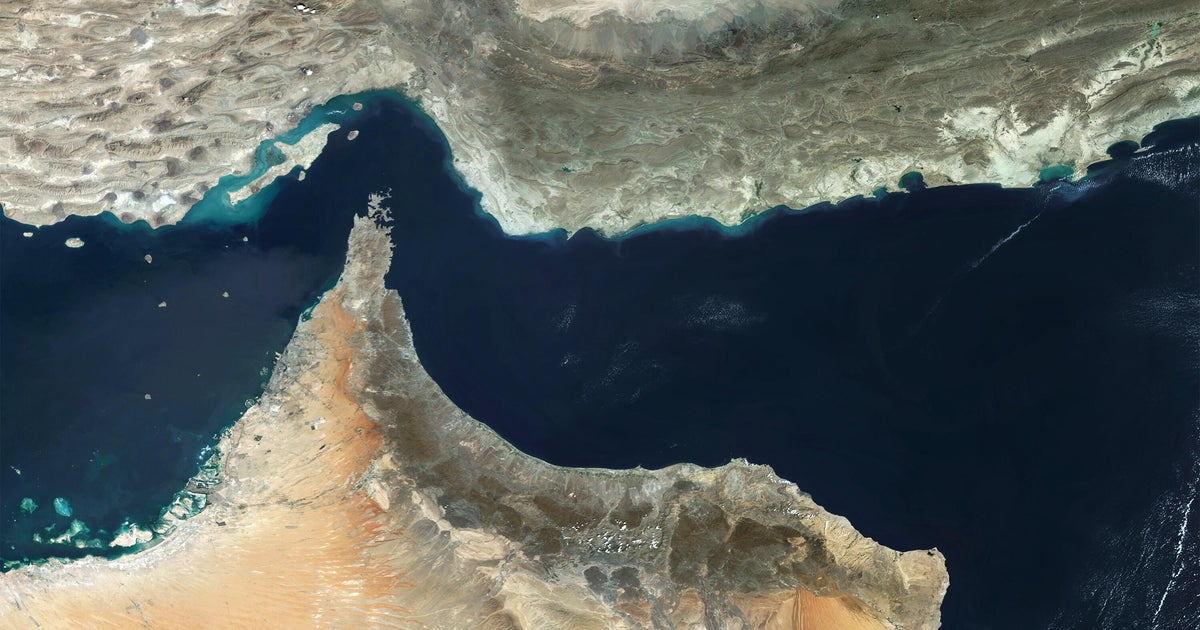
Fresh conflict around the Strait of Hormuz, a narrow waterway off Iran and Oman, is disrupting global fertilizer shipments just as farmers in the Northern Hemisphere head into spring planting. Because fertilizer and fuel are core farm inputs, price spikes in those markets can ripple quickly into food costs.
According to reporting from PBS NewsHour, roughly one-third of the world’s fertilizer supply normally passes through this chokepoint. Its effective closure is already driving shortages and higher prices, raising the risk of lower crop yields and another round of food inflation at a time when many families are still recovering from earlier price surges.
Fertilizer shocks have a history of pushing up food prices and deepening food insecurity, especially in lower-income countries. International agencies saw this pattern during the COVID-19 disruptions and the war in Ukraine; a similar squeeze now centered on the Gulf adds new pressure to an already fragile global food system.
Key Facts and Quotes
PBS reports that the Strait of Hormuz disruption has come at “the crucial Spring planting season,” when farmers must decide how much fertilizer to apply and which crops to plant. With a third of global fertilizer normally flowing through the strait, even short delays raise costs for buyers around the world.
Farmers interviewed for the segment say they are facing sharply higher bills for nitrogen fertilizer and diesel fuel. PBS summarized their concern this way: the cost increases “could put them over the edge,” especially for smaller operations that have limited cash reserves and little bargaining power with suppliers.
Fertilizer is expensive to produce and transport because nitrogen-based products rely heavily on natural gas, and many major producers sit along the Gulf. When conflict threatens shipping lanes, insurers raise premiums, shipping companies reroute vessels, and spot prices for both fertilizer and fuel can jump in a matter of days.
The PBS report notes that this is not only a farm story. Host Geoff Bennett said the Strait of Hormuz disruption affects “fertilizer and energy prices, with potential implications for farmers and consumers alike.” If growers cut back on fertilizer or shift to less input-intensive crops to control costs, harvests later this year could be smaller, tightening supplies of grains and animal feed.
Global organizations such as the U.N. Food and Agriculture Organization and the U.S. Department of Agriculture have previously warned that sustained fertilizer price spikes can reduce yields, especially in regions where farmers cannot afford to maintain normal application rates. That, in turn, can push up prices for staples like wheat, corn, and rice, and for meat and dairy that depend on grain-based feed.
What It Means for You
For U.S. shoppers, the latest disruption may not show up on grocery receipts immediately. But if higher input costs persist through this planting season, consumers could see higher prices for bread, cereal, meat, dairy, and many processed foods in the coming months, as farmers and food companies pass some of their added expenses on to consumers.
What happens next will depend on how long shipping remains constrained, whether alternative routes and suppliers can fill the gap, and how governments respond. Analysts will be watching fertilizer price indexes, fuel costs, and crop-planting reports closely. For households, the key question is whether this becomes another brief spike or the start of a longer period of renewed food inflation.
How do you think families, especially those on fixed incomes, can best prepare for possible swings in food prices tied to global events like this?
Sources
PBS NewsHour segment with Geoff Bennett and Caitlin Welsh, “Farmers warn of food price spike as war drives up fuel and fertilizer costs,” April 6, 2026; U.S. Department of Agriculture reports on fertilizer markets and farm input costs, 2022-2023; U.N. Food and Agriculture Organization briefings on fertilizer prices and global food security, 2022-2024.