TL;DR
Federal authorities are examining whether Minnesota Gov. Tim Walz and Minneapolis Mayor Jacob Frey illegally impeded immigration enforcement through public statements, as the Twin Cities face a sweeping federal operation, a fatal shooting by an immigration agent and growing civil rights concerns.
Why This Matters
The inquiry into Minnesota’s governor and Minneapolis mayor touches on a core question in U.S. governance: how far elected state and local officials can go in criticizing or resisting federal enforcement without facing criminal exposure. The reported focus on a federal conspiracy statute raises the stakes beyond political rhetoric, testing the line between protected speech and alleged interference.
The investigation is unfolding amid one of the largest immigration enforcement operations in the Twin Cities in recent memory, with thousands of arrests and nightly protests. A fatal shooting of 37-year-old Renee Good by an immigration officer has intensified scrutiny of how federal agents are operating in city neighborhoods. At the same time, Native American and Asian American communities report increased questioning and detentions, highlighting long-standing concerns about racial profiling.
For readers across the country, the latest update from Minnesota reflects broader national tensions over immigration, public safety, and the balance of power between Washington and local leaders. It may also shape how future administrations use federal law enforcement in politically contentious settings.
Key Facts & Quotes
According to people familiar with the matter cited in national wire reporting, the U.S. Justice Department is investigating whether Gov. Tim Walz and Mayor Jacob Frey impeded federal immigration enforcement through public comments, in a possible violation of a federal conspiracy statute. The sources spoke on condition of anonymity because the investigation is pending.
Breaking:
Breaking: DOJ opens criminal probe of Gov. Tim Walz and Minneapolis Mayor Jacob Frey over alleged obstruction of federal immigration enforcement. According to The Associated Press. (https://t.co/TEODFNp90X) What do you think? Comment below. pic.twitter.com/BEAWrtYKUF
— Patriots Daily News (@pdnewstoday) January 17, 2026
Walz, in a written statement, framed the probe as part of a broader pattern of targeting political opponents, saying, “Weaponizing the justice system and threatening political opponents is a dangerous, authoritarian tactic.” His office said it has not received any formal notice of an investigation.
Frey called the move “an obvious attempt to intimidate me for standing up for Minneapolis, our local law enforcement, and our residents,” adding, “I will not be intimidated. My focus will remain where it’s always been: keeping our city safe.”
The investigation coincides with a weeks-long immigration crackdown in Minneapolis and St. Paul that the Department of Homeland Security has described as its largest enforcement operation in the area, resulting in more than 2,500 arrests. Tensions escalated after an immigration officer fatally shot motorist Renee Good on Jan. 7; emergency call transcripts quote one caller saying Good was shot “point blank range in her car.” Federal officials say the agent fired in self-defense.
Separately, a Liberian man, Garrison Gibson, was twice detained and twice released within days; a federal judge ruled his first arrest unlawful, and his attorney said immigration officers acknowledged they had “bleeped up” before releasing him again. Tribal leaders nationwide have urged Native Americans to carry tribal IDs after reports of being stopped by immigration agents, while community organizers in Minneapolis have set up booths to help people obtain identification.
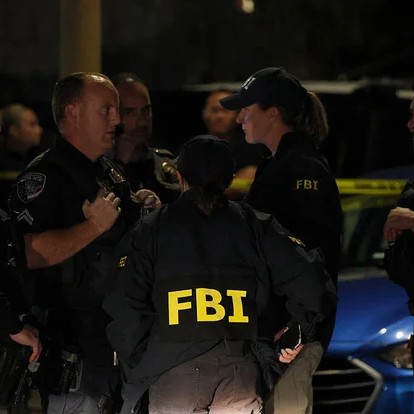
State public safety officials have urged demonstrators to remain peaceful, with Minnesota’s public safety commissioner warning that “actions that harm people, destroy property or jeopardize public safety will not be tolerated.” Former President Donald Trump, responding to unrest and damage to government vehicles – including an FBI SUV from which weapons and body armor were reported stolen – has publicly threatened to invoke the 1807 Insurrection Act if Minnesota leaders do not curb what he called “professional agitators and insurrectionists.” The state’s attorney general has said he would sue if that happens.
What It Means for You
For residents of Minnesota and beyond, this story is about more than one investigation. It reflects how immigration policy, policing, and political conflict can collide in everyday places: on city streets, at routine check-ins, and at neighborhood protests. People in immigrant and minority communities may experience more frequent encounters with federal officers, and local officials could feel increased pressure over how openly they challenge federal actions.
Nationally, the outcome could set a precedent for how the federal government responds when governors or mayors are seen as obstructing – or simply criticizing – federal enforcement. Readers may want to watch for any formal charges from the Justice Department, further court rulings on arrest practices, and whether similar tensions surface in other cities.
How do you think federal and local authorities should balance immigration enforcement with community trust and the right to protest?
Sources: Public statements from Minnesota officials and federal authorities; national wire service reporting from Minneapolis and Washington, Jan. 7-16, 2026.