TL;DR
Vice President JD Vance visited Minneapolis as federal immigration enforcement intensifies in Minnesota, with an appeals court weighing limits on agents, state officials disputing Homeland Security claims, and faith groups organizing protests and boycotts.
Why This Matters
The Minneapolis visit by Vice President JD Vance comes during an aggressive federal immigration operation across Minnesota, putting the state at the center of a national debate over how far immigration authorities should go and how much local governments should cooperate.
Federal agencies, including U.S. Immigration and Customs Enforcement (ICE) and U.S. Customs and Border Protection, have surged personnel into the Twin Cities area. At the same time, Minnesota officials face pressure from Washington over how state prisons and jails handle people with pending immigration issues.
Minneapolis is already under close federal scrutiny after earlier U.S. Department of Justice investigations into policing practices in the wake of George Floyd’s killing. Now, questions about the treatment of immigrants, the use of force at protests, and the role of local police in federal operations are adding another layer of tension.
For residents, the latest update highlights overlapping concerns: public safety, civil rights, and the economic and social impact of a large federal enforcement campaign. Faith leaders, immigrant communities, and law enforcement are all trying to influence what comes next.
Key Facts & Quotes
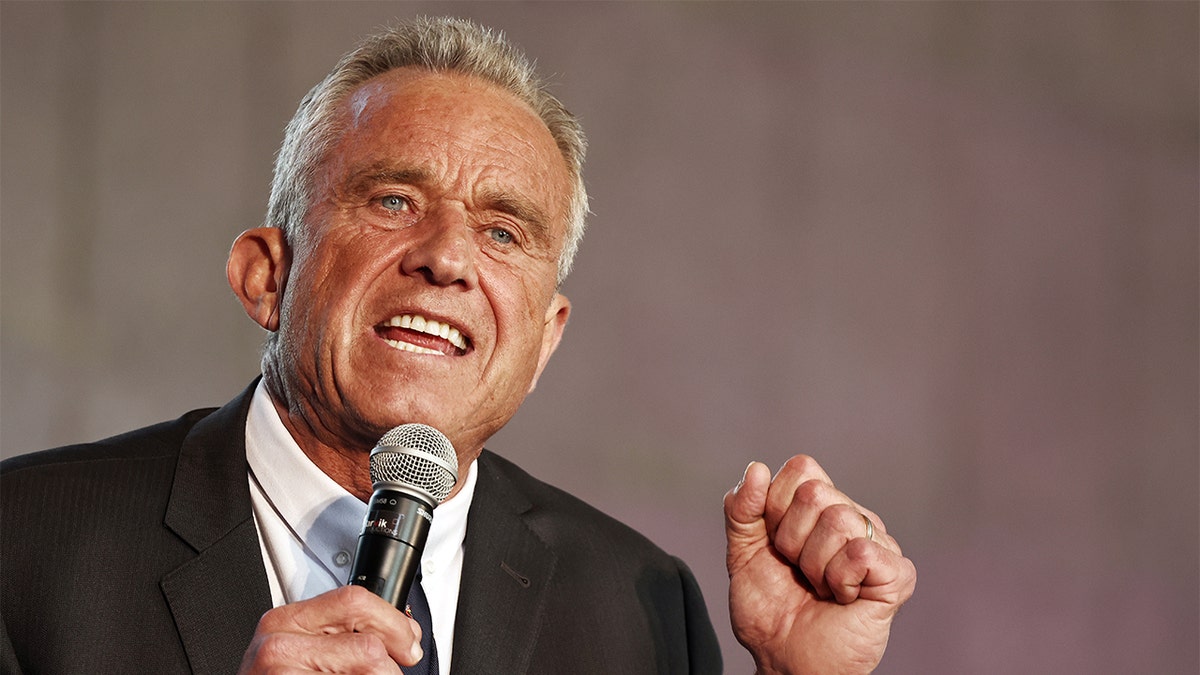
Vance held a roundtable in Minneapolis on Thursday with local leaders and community members, then delivered public remarks urging greater cooperation between local and federal agencies during the ongoing immigration crackdown, according to the event coverage.
Vice President JD Vance visited Minnesota on Thursday, hosting a roundtable discussion and weighing in on ongoing tension regarding ICE operations inside the state.
READ: https://t.co/YucJFXvHYC pic.twitter.com/Xu88DUdKKb
— KTTC TV (@KTTCTV) January 23, 2026
He called on state and local officials to align more closely with federal immigration enforcement, saying the goal was to “lower the temperature and lower the chaos,” according to his Minneapolis press conference. Vance also acknowledged that the Minnesota Department of Corrections has been cooperating with ICE, even as federal Homeland Security officials have accused state authorities of releasing individuals they view as dangerous instead of transferring them to federal custody.
A senior Minnesota law enforcement official has rejected those Department of Homeland Security accusations as false, according to recent public statements, arguing that the state is following its own laws and court orders when releasing people from custody.
Legal limits on federal agents are also in flux. A federal appeals court on Wednesday temporarily paused a lower court ruling that had restricted the force federal officers could use on peaceful protesters in Minneapolis, according to court records described in local reporting.
On the criminal-immigration front, two men detained by ICE appeared in federal court on Wednesday, including a Venezuelan national who was shot in the leg by ICE agents last week in north Minneapolis. Both men were granted conditional release by a judge, but that decision was stayed until Thursday at noon; because ICE has placed detainers on them, they are likely to return to federal immigration custody.
Faith communities are mobilizing in response to the ICE surge. Religious leaders in the Twin Cities announced that hundreds of congregations will join “A Day of Truth and Freedom,” urging people not to work, shop, or attend school on Friday in protest of the operation. According to organizers, the goal is to show the economic and social footprint of immigrant communities.
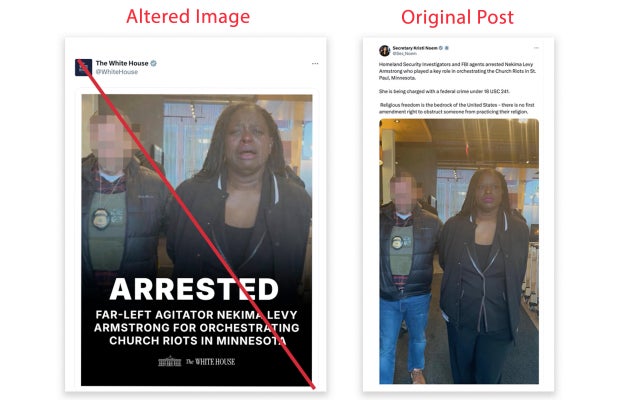
The wider political climate was further charged by images shared on social media. A side-by-side comparison circulated by officials showed a White House post that appeared to digitally alter a photo of Minneapolis civil rights attorney Nekima Levy Armstrong during her arrest, making it look as if she was crying, next to an earlier image shared by Homeland Security Secretary Kristi Noem that showed her with a neutral expression, according to the image descriptions.
What It Means for You
For Minnesotans, particularly those in and around Minneapolis, the ICE surge may mean more visible federal agents, increased identity checks, and heightened anxiety in immigrant neighborhoods, regardless of people’s legal status. Families with mixed immigration status may want to stay informed about their rights when interacting with law enforcement, based on general guidance provided by civil rights and legal aid groups.
Business owners and workers could feel the impact of Friday’s planned boycott if many people stay home from work, shopping, and school. Residents who join faith-led actions or attend protests should be aware that rules around how much force federal agents can use are currently being reviewed in the courts, which could affect how demonstrations are managed on the ground.
Nationally, how Minnesota responds to federal pressure on immigration enforcement may influence similar debates in other states, especially around whether local police and corrections agencies should assist ICE. Readers may want to follow upcoming court rulings, any new agreements between Minnesota and federal authorities, and further statements from the vice president and state leaders to understand what may change next.
How do you think state and local governments should balance cooperation with federal immigration enforcement against concerns about civil rights and community trust?