TL;DR
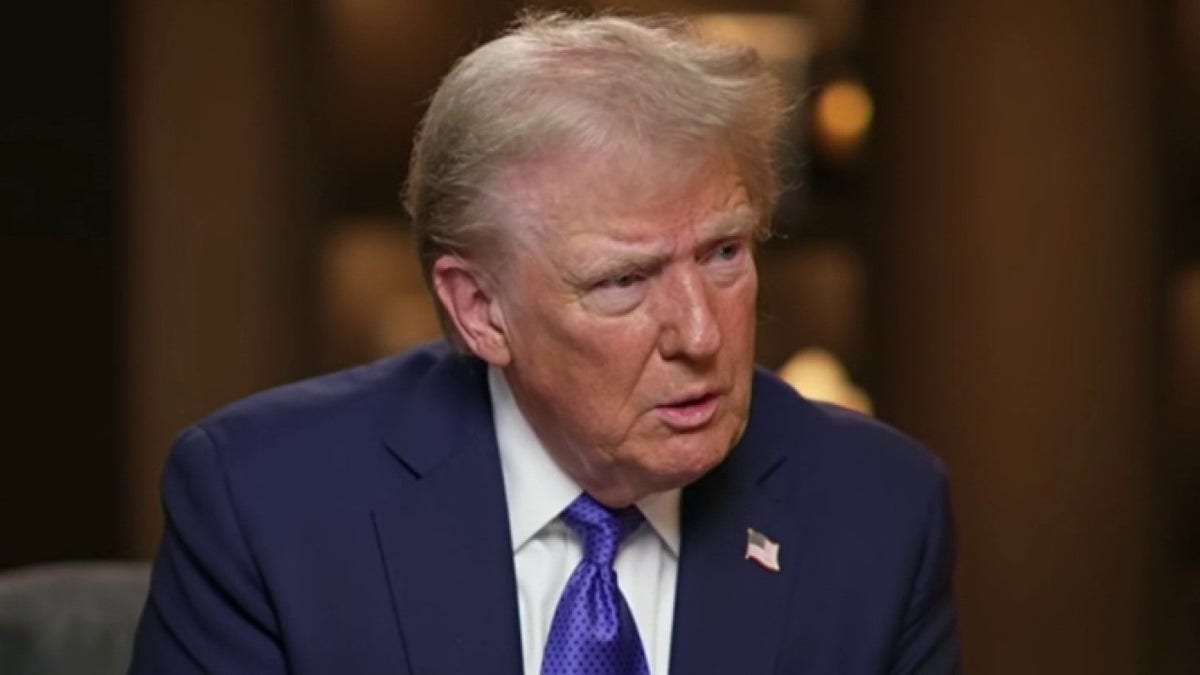
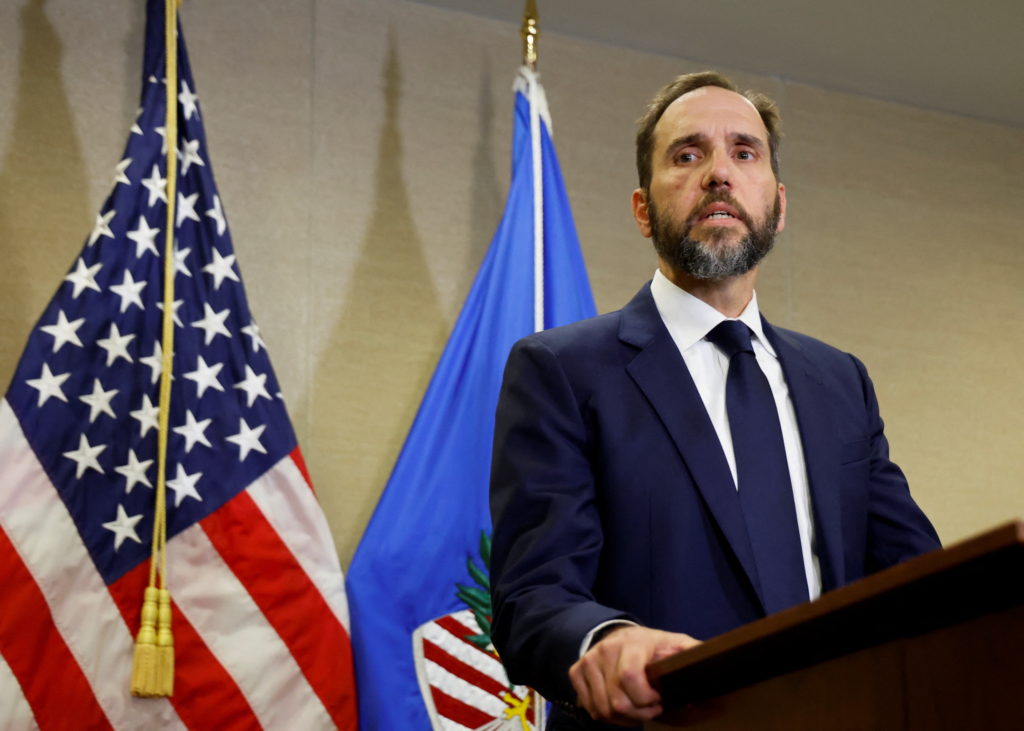
Newly released House transcript shows former special counsel Jack Smith describing Donald Trump as the central figure behind the Jan. 6 Capitol attack and alleged effort to overturn the 2020 election.
Why This Matters
The full transcript and video of Jack Smith’s closed-door deposition before the House Judiciary Committee offer a rare, detailed look at how a former special counsel built two of the most consequential federal cases in recent U.S. history. Smith oversaw investigations into efforts to overturn the 2020 election and the retention of classified documents at Trump’s Florida estate. Both cases were later dropped after Trump’s 2024 election victory, with Smith pointing to longstanding Justice Department policy against indicting a sitting president.
Transcript of former Special Counsel Jack Smith’s deposition appearance before US House Judicial Committee, in which he gave evidence on Trump’s indictments for Jan 6 and other criminal offenceshttps://t.co/RLAoCUbGkq pic.twitter.com/M6zHf0PegI
— Minh Alexander (@alexander_minh) January 1, 2026
The new material goes beyond court filings and press statements, laying out in Smith’s own words why he believed the evidence against Trump was strong enough to support a conviction. It also shows how investigators relied heavily on testimony from Republicans and Trump allies, and how they obtained phone records from members of Congress who were in contact with Trump on Jan. 6. For voters and policymakers, the transcript adds fresh detail to an unresolved national debate over accountability for the Capitol riot and the boundaries of presidential power.
Key Facts & Quotes
According to the transcript released by the Republican-led House Judiciary Committee, Jack Smith told lawmakers that the Jan. 6, 2021, attack on the U.S. Capitol “does not happen” without Donald Trump. Smith said the evidence showed Trump was “by a large measure the most culpable and most responsible person” in what he described as a criminal conspiracy to overturn the 2020 election.
Smith rejected accusations that his work was designed to block Trump’s political comeback, saying he “entirely” disagreed with any suggestion that the investigations were meant to hamper a presidential campaign. He emphasized that much of the Jan. 6 case rested on testimony from Republicans, including a former Pennsylvania congressman who was set to serve as a pro-Trump elector and later called the plan an attempt to overthrow the government.
The deposition shows Smith arguing that Trump promoted false claims of election fraud, knew his supporters were angry, invited them to Washington and then directed them toward the Capitol. Once the attack began, Smith said, Trump refused for a time to intervene and issued a tweet that, in Smith’s view, endangered the life of Vice President Mike Pence.
Smith also defended obtaining phone records of Republican lawmakers who communicated with Trump or his allies on Jan. 6, calling the step lawful and necessary. He cited an interview with former White House chief of staff Mark Meadows, who recalled that Representative Jim Jordan, a close Trump ally, was unusually frightened during the riot, underscoring its severity.
Lawmakers questioned Smith about former White House aide Cassidy Hutchinson’s claim that Trump lunged for the steering wheel of his vehicle when told he could not go to the Capitol. Smith said investigators interviewed the officer in the car, who reported that Trump was very angry and wanted to go to the Capitol, but whose account differed from Hutchinson’s secondhand description.
What It Means for You
For many Americans, especially those who follow politics closely, the latest update is less about changing opinions of Trump and more about understanding how federal investigators reached their conclusions. The transcript offers a step-by-step view of how evidence was collected, which witnesses were considered credible and why prosecutors believed the Jan. 6 events were not spontaneous.
The material may shape how future Congresses and administrations approach election certification, security planning for major protests and the handling of presidential communications during crises. It also highlights the enduring impact of Justice Department policy that shields a sitting president from indictment, raising questions about how and when alleged misconduct by a president can be addressed.
Sources: U.S. House Judiciary Committee transcript and video of Jack Smith deposition (Dec. 17, released late December 2025); public reporting and official statements dated Jan. 1, 2026.
How, if at all, does seeing a prosecutor’s full explanation of an investigation change the way you think about accountability for presidents after contentious elections?