TL;DR
Hillary Clinton told a House panel she had no knowledge of Jeffrey Epstein or Ghislaine Maxwell’s crimes, after a six-hour closed-door deposition that opens two days of testimony in Chappaqua, New York.
Why This Matters
The latest update in the Epstein investigation pulls a former secretary of state and a former president directly into a congressional probe. That is rare, and it speaks to the intense pressure on lawmakers to fully examine how a convicted sex offender operated for years while maintaining ties to influential people.
The House inquiry reflects broader questions about who enabled Epstein, how victims were failed, and whether powerful networks shielded him. For survivors of abuse, the hearings represent another chance to see institutions take their experiences seriously, even years after Epstein died by suicide in a New York jail in 2019 while awaiting trial on sex trafficking charges.
The fact that Bill Clinton is scheduled to testify after Hillary Clinton’s appearance also sets a modern precedent: it will be the first time a former U.S. president is compelled to testify before Congress in this way. How these interviews are handled could shape public trust in both congressional oversight and the justice system’s treatment of high-profile figures.
Key Facts & Quotes
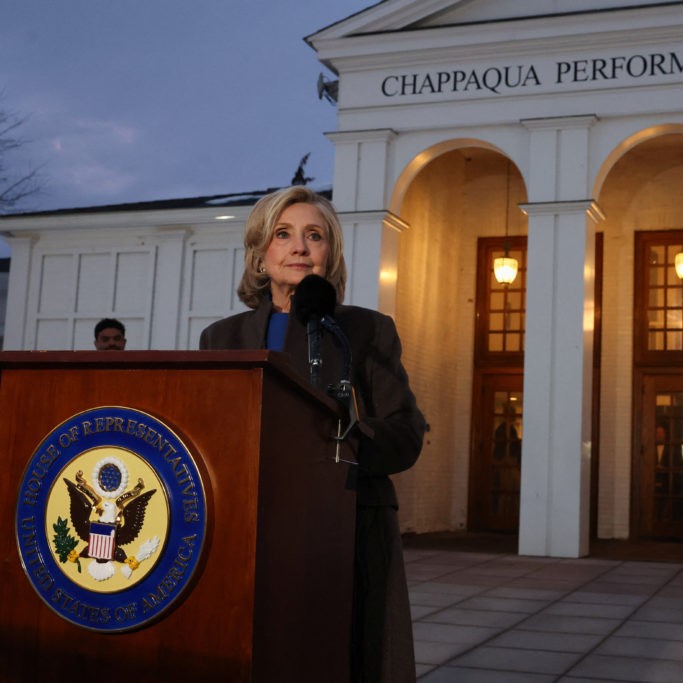
According to an opening statement she shared on social media and later comments to reporters, Hillary Clinton said she had “no idea” about Epstein’s or Maxwell’s criminal activities and did not recall ever encountering Epstein. The closed-door deposition, held Thursday in the Clintons’ hometown of Chappaqua, New York, lasted more than six hours and marked the start of two days of questioning that will also include former President Bill Clinton.
Hillary Clinton testified before House Oversight Committee members on Thursday, as they continue their probe into Jeffrey Epstein. Read more here: https://t.co/NzMNr19q0U pic.twitter.com/koVt3wrdea
— ABC News 4 (@ABCNews4) February 27, 2026
The session came after months of tense negotiations between the Clintons and the Republican-led House Oversight Committee, chaired by Representative James Comer of Kentucky. Committee leaders rejected offers from the couple to submit sworn written statements, instead insisting on in-person depositions and, at one point, threatening criminal contempt of Congress if they did not appear, according to PBS reporting.
Hillary Clinton said she had previously interacted with Maxwell at conferences linked to the Clinton Foundation but maintained she did not remember meeting Epstein. “Like every decent person, I have been horrified by what we have learned about their crimes,” she said. Epstein, a financier and previously convicted sex offender, died in 2019 while facing federal sex trafficking charges involving underage girls; Maxwell was later convicted for aiding his abuse. President Donald Trump, who has said he regrets that the Clintons were forced to testify, last year directed the release of federal case files on Epstein after sustained public and political pressure.
What It Means for You
For many Americans, this top story is less about the Clintons personally and more about what it shows regarding accountability for sexual abuse involving powerful people. The House depositions offer one of the most visible attempts by Congress to answer long-standing questions about who knew what about Epstein’s network and when they knew it.
What happens next matters. Lawmakers could call additional witnesses, seek more documents, or release transcripts that clarify how far Epstein’s connections reached. For readers watching from home, the key will be separating verified facts from rumors as new details emerge.
How do you think Congress should balance the public’s demand for answers about Epstein with protections for due process and against turning such inquiries into partisan battles?
Sources: Hillary Clinton’s prepared opening statement shared on social media, and reporting from PBS NewsHour / Associated Press, Feb. 26, 2026.