Why This Matters
A small town in northeastern Pennsylvania is waiting on federal disaster-preparedness money to raise a levee that keeps a rising river at bay. Its situation highlights how policy decisions in Washington can leave rural communities exposed as climate-related risks accelerate.
Federal Emergency Management Agency (FEMA) grants are a main way towns pay for levees, flood walls, and other protections before disaster strikes. When those funds are delayed or paused, projects that can take years to plan and permit are pushed back further, often leaving local taxpayers on the hook in the meantime.
Heavy rainstorms in the Northeast now drop about 60% more rain than they did in the mid-20th century, according to the National Climate Assessment. That means each year of delay in shoring up aging infrastructure increases the odds that a community will face both higher physical damage and higher recovery costs.
Key Facts and Quotes
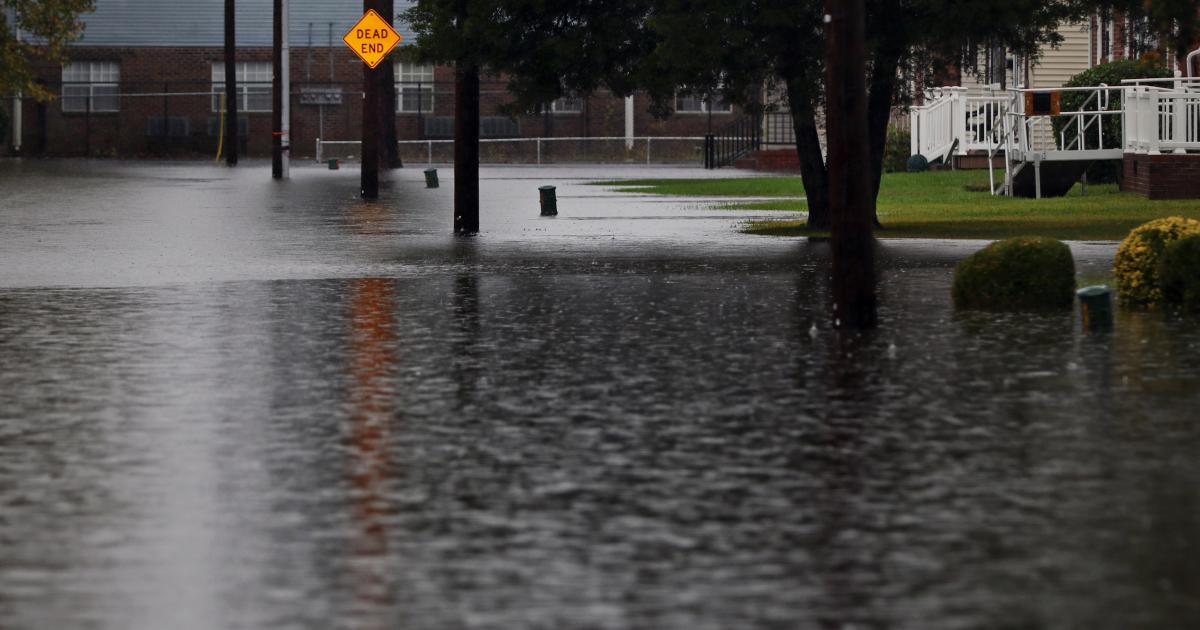
Duryea, Pennsylvania, sits along the Lackawanna River, protected by an earthen levee built in the 1970s. Development along the river and a wetter climate mean the river now rises higher and more often. Local officials say the structure must be raised roughly three feet to keep homes, schools, and churches safe from catastrophic flooding.
“We are seeing increased storms and increased water volumes,” said Laura Holbrook, who leads the flood protection authority for Luzerne County, where Duryea is located. The county has endured major floods in 2011 and 2014, as well as multiple recent events that together caused millions of dollars in damage, according to local records cited in NPR’s reporting.
County officials invested hundreds of thousands of dollars in engineering design for a levee upgrade expected to cost about $11 million. They planned to seek money from FEMA’s largest disaster-preparedness grant program. But over the last year, awards from that program were effectively frozen as the Trump administration withheld billions of dollars that Congress had already approved, according to NPR and FEMA public filings.
Earlier this month, after 20 states sued over the halt, FEMA agreed to restart the grant competition. Public documents released in March indicate that two years of applicants will now be competing for about one year of funding, and FEMA has said it will prioritize major infrastructure projects. The agency did not answer NPR’s questions about when money will begin flowing again or how climate-focused projects will be evaluated.
“We’re a country full of sitting ducks, unfortunately,” said Andrew Rumbach, a disaster-policy researcher at the Urban Institute, describing small towns that depend on these grants to prepare for floods and wildfires. The delays have prompted outcry from local and state officials nationwide, including in counties that strongly supported Donald Trump, and from lawmakers such as Representative Bresnahan, who have introduced bills aimed at forcing FEMA to fully restart the program.
What It Means for You
For people living near rivers, coasts, or wildfire-prone areas, these grants help pay for projects that can lower insurance costs, keep roads open, and reduce the need for costly rebuilding after a disaster. When funding is uncertain, communities may face higher risk, slower recovery, and tough choices about whether to invest local dollars while waiting for federal support.
Residents can watch for updates as FEMA publishes timelines, application rules, and final awards for the restarted program. Local hazard-mitigation plans, public meetings, and county emergency offices are key places to learn whether your community is seeking federal preparedness money and how proposed projects might change risk in your neighborhood.
As disasters grow more frequent, how do you think federal, state, and local governments should share responsibility for paying for long-term protection?
Sources
- NPR report by Rebecca Hersher on FEMA disaster-preparedness funding and rural Pennsylvania flooding, March 30, 2026.
- FEMA public filings and press statements on disaster-preparedness grants, March 2026.
- Fourth National Climate Assessment, U.S. Global Change Research Program, 2018.