TL;DR
With days until a Homeland Security shutdown, Democrats demand new ICE limits and police-style safeguards, while Republicans call the plan unrealistic.
Why This Matters
Funding for the Department of Homeland Security (DHS) is set to run out within days, raising the risk of a partial shutdown that could affect agencies from Immigration and Customs Enforcement (ICE) to the Transportation Security Administration (TSA) and the Federal Emergency Management Agency (FEMA). Homeland Security has become a recurring flashpoint in U.S. budget fights, but this round is centered squarely on how immigration enforcement officers operate on American streets.
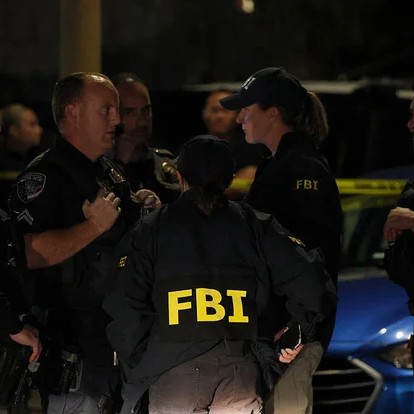
Democratic leaders in Congress are tying any new DHS money to stricter limits on ICE and related agencies, citing recent fatal shootings of protesters by federal officers in Minneapolis. Republicans say Democrats are overreaching and using the talks to energize liberal voters, warning that law enforcement and border security could suffer.
The dispute comes as the country continues to wrestle with immigration, policing standards, and federal authority. For many Americans, the outcome will shape not only how the border is enforced, but also what rules govern federal officers in cities and towns far from the southern frontier. The latest update shows both sides trading proposals, but no clear path yet to an agreement.
Key Facts & Quotes
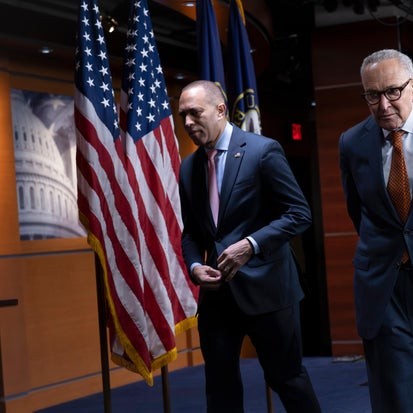
According to Democratic leaders, the White House has sent a counterproposal on DHS funding that they describe as “incomplete and insufficient” and lacking legislative detail. Senate Democratic leader Chuck Schumer of New York and House Democratic leader Hakeem Jeffries of New York said the offer does not address “the concerns Americans have about ICE’s lawless conduct.” The administration’s proposal has not been released publicly.
Democrats are demanding a series of changes before approving a Homeland Security bill, including:
- Judicial warrants before entering private property and clearer warrant standards.
- Visible identification for DHS officers, including limits on mask use.
- Stricter use-of-force rules and legal safeguards at detention centers.
- A ban on using body-worn cameras to track protesters.
- Ending what they call indiscriminate arrests and requiring verification that a person is not a U.S. citizen before detention.
DHS funding deadline hits Feb. 13, risking a partial shutdown for TSA, FEMA and Coast Guard amid Dems-White House standoff.
Democrats demand ICE reforms after fatal agent shootings: judicial warrants for arrests, racial profiling bans, body cams, ID badges and stricter… pic.twitter.com/e3y3kC6Aa7
— Illinois247 (@illinois247news) February 10, 2026
These demands follow the fatal shootings of two protesters in Minneapolis: ICU nurse Alex Pretti, killed by a U.S. Border Patrol officer on Jan. 24, and Renee Good, shot by ICE agents on Jan. 7, according to accounts cited by lawmakers.
Jeffries said earlier in the day, “Dramatic changes are needed at the Department of Homeland Security before a DHS funding bill moves forward. Period. Full stop.” In a separate television interview, he warned that without reforms, Republicans would be choosing “to shut down the Coast Guard, shut down FEMA, and shut down TSA.”
Republicans have pushed back. Senate Majority Leader John Thune of South Dakota said there had been “forward progress” in talks and that it was positive the two sides were “trading papers,” but he questioned the scope of Democrats’ conditions. House Speaker Mike Johnson of Louisiana argued against unmasking ICE officers, saying it would put them and their families at risk because “people are doxing them and targeting them.”
Senator Bill Hagerty of Tennessee accused Democrats of “trying to motivate a radical left base” and said, “The left has gone completely overboard, and they’re threatening the safety and security of our agents so they cannot do their job.” Republicans say they support some provisions, such as requiring body cameras for DHS officers, but oppose many of the proposed limits on enforcement.
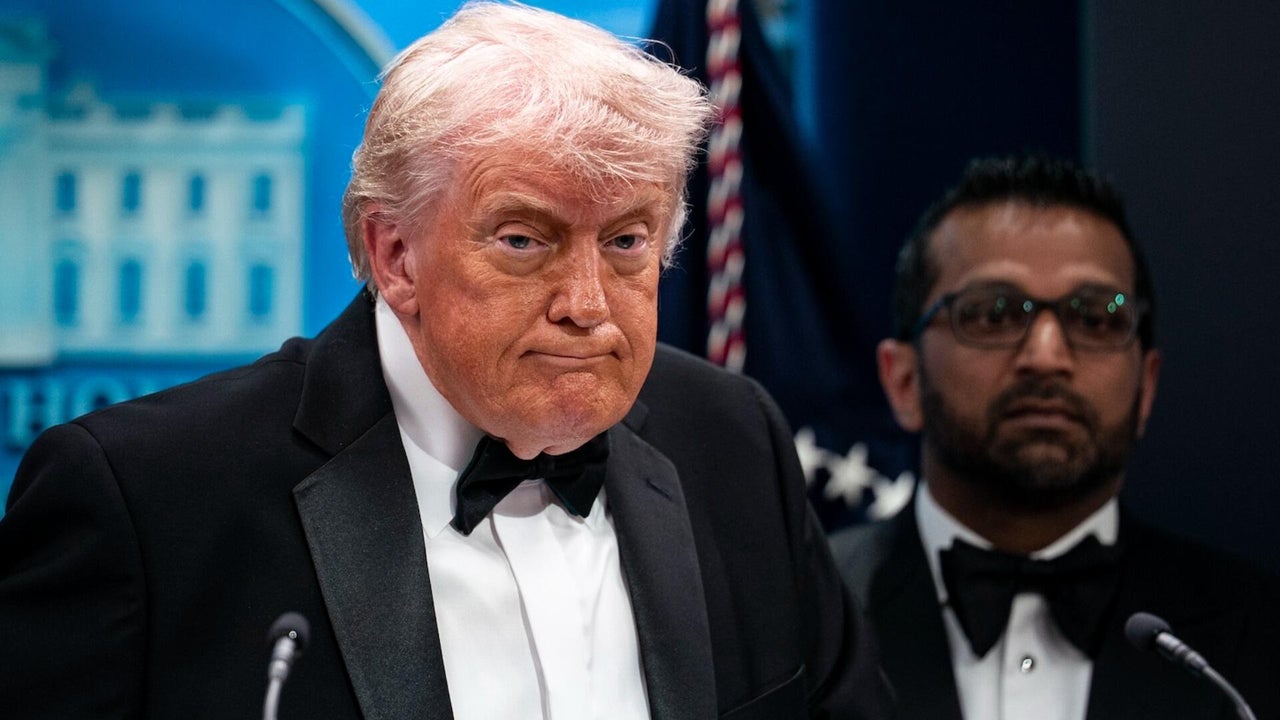
Lawmakers are also debating strategy. Some in both parties have floated separating funding for ICE and Border Patrol and passing the rest of the DHS bill first. Thune has suggested instead another short-term extension for all of DHS funding if more time is needed, while many Democrats say they will not back another stopgap measure without concrete reforms.
What It Means for You
If DHS funding lapses, core operations like border security and air travel screening would likely continue, but with a growing strain on workers and services. Past shutdowns have led to transportation delays, pressure on emergency response, and uncertainty for federal employees and contractors. Thune has warned there is “a very good chance we could see more travel problems” similar to a previous prolonged government closure.
For communities, the debate could reshape how federal officers operate at protests, in neighborhoods, and at workplaces. New rules on warrants, identification, and use of force would bring immigration enforcement procedures closer to those used by many local police departments. On the other hand, if negotiations break down, Americans could see another cycle of shutdown politics, short-term fixes, and heightened tension over immigration policy. In the days ahead, watch for whether Congress agrees to temporary funding or a full DHS bill that includes any of the reforms now on the table.
How do you think Congress should balance stronger oversight of immigration enforcement with concerns about officer safety and border security?
Sources: Statements and press remarks by Senate Democratic leader Chuck Schumer and House Democratic leader Hakeem Jeffries, Jan. 5-8, 2026; public comments by Senate Majority Leader John Thune, House Speaker Mike Johnson, and Senator Bill Hagerty in congressional media availabilities and televised interviews, Jan. 5-7, 2026; Department of Homeland Security funding timeline as described in recent congressional budget legislation.