TL;DR
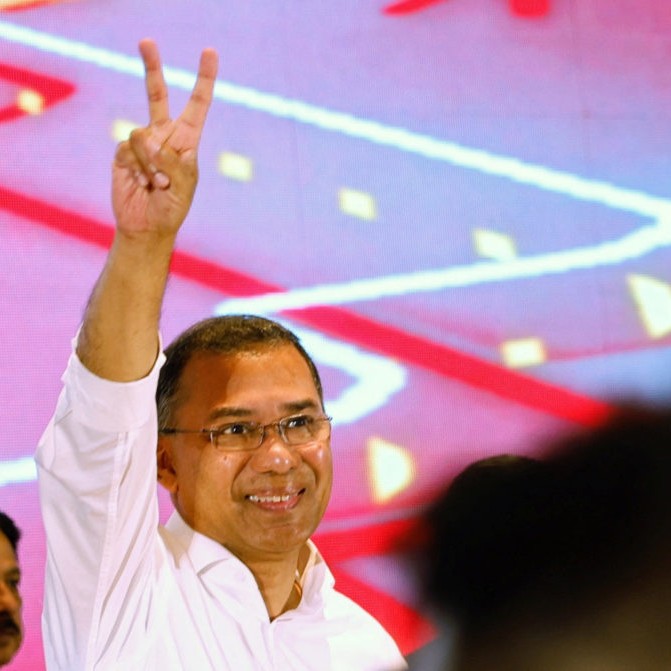
Tarique Rahman and the Bangladesh Nationalist Party (BNP) have won a sweeping victory in parliamentary elections, promising to strengthen democracy, stabilize a fragile economy, and prevent a return to authoritarian rule after the 2024 uprising that toppled longtime leader Sheikh Hasina.
Why This Matters
Bangladesh, a South Asian nation of more than 170 million people, sits at a strategic crossroads between India and Southeast Asia. It is a major exporter of garments to the United States and Europe and hosts nearly a million Rohingya refugees from neighboring Myanmar. Political stability in Dhaka matters not only for its own citizens but also for global supply chains, regional security, and humanitarian efforts.
The 2026 vote is the first national election since mass protests in 2024 forced out former Prime Minister Sheikh Hasina after 15 years in power. An interim administration led by Nobel Peace Prize laureate Muhammad Yunus oversaw the latest polls, which were described as largely peaceful, according to the Associated Press report carried by PBS NewsHour on Feb. 14, 2026. The result marks a major reset after years of accusations that Bangladesh’s democracy was backsliding.
For Washington and other partners, Bangladesh’s political direction will influence cooperation on climate resilience, labor standards, and counterterrorism. For Bangladeshis, the test will be whether the incoming government can turn promises of stronger institutions and rule of law into visible change in everyday life.
Key Facts & Quotes
BNP leader Tarique Rahman, son of former Prime Minister Khaleda Zia, said he would “work to build a more democratic country” after his party secured a majority in the 350-seat Parliament, according to his first press conference in Dhaka. An 11-party alliance led by Jamaat-e-Islami, the country’s largest Islamist party, is set to form the main opposition bloc.
#Bangladesh’s first election since the 2024 Gen Z–led uprising marks a pivotal political reset.
The Bangladesh Nationalist Party claims a landslide, with Tarique Rahman expected to form government. Turnout near 60% suggests engagement — but legitimacy debates persist. ⅓ pic.twitter.com/QqEZJ9vGMV
— Fariha Alam (@Fariha_alam1) February 15, 2026
The vote was conducted under an interim government headed by economist Muhammad Yunus, who was tasked with organizing new elections after the 2024 uprising. Officials described the polls as largely calm, a contrast with previous cycles marked by boycotts and violence.
Rahman acknowledged the scale of the challenges: “We are about to begin our journey in a situation marked by a fragile economy left behind by the authoritarian regime, weakened constitutional and statutory institutions, and a deteriorating law and order situation,” he told reporters. He also urged political unity to guard against a slide back to one-man rule, saying Bangladeshis must “remain united and uphold the will of the people.”
The BNP has long been one of Bangladesh’s two dominant parties alongside Hasina’s Awami League, which is now banned. Hasina has been living in exile in India and has been convicted in connection with deaths during the 2024 unrest, according to earlier court decisions reported by the same news agency. Background materials from the BNP and public statements by the interim administration have emphasized restoring public trust in elections and state institutions.
What It Means for You
For U.S. readers, this latest update from Bangladesh could show up in several ways. A more stable political environment may reduce the risk of disruption in the country’s garment sector, which supplies clothing to many familiar American brands. Any renewed unrest, by contrast, could affect prices, delivery times, and working conditions that advocacy groups already monitor closely.
Bangladesh’s direction will also shape how it works with international partners on climate adaptation, disaster preparedness, and refugee policy. A government that can credibly claim a public mandate may find it easier to negotiate trade terms and development funding, potentially influencing how global aid and investment are directed in the region.
At home, the story raises broader questions about how democracies recover after periods of unrest and concentrated power. Voters in Bangladesh will now be watching whether campaign promises on the rule of law, economic stability, and inclusive politics translate into practice.
Question for readers: When you look at political change abroad, what signs do you watch for to decide whether a country is genuinely becoming more democratic?
Sources: Associated Press report published by PBS NewsHour, Feb. 14, 2026. Additional context from public statements and background materials by Bangladesh’s interim administration and the Bangladesh Nationalist Party.