Why This Matters
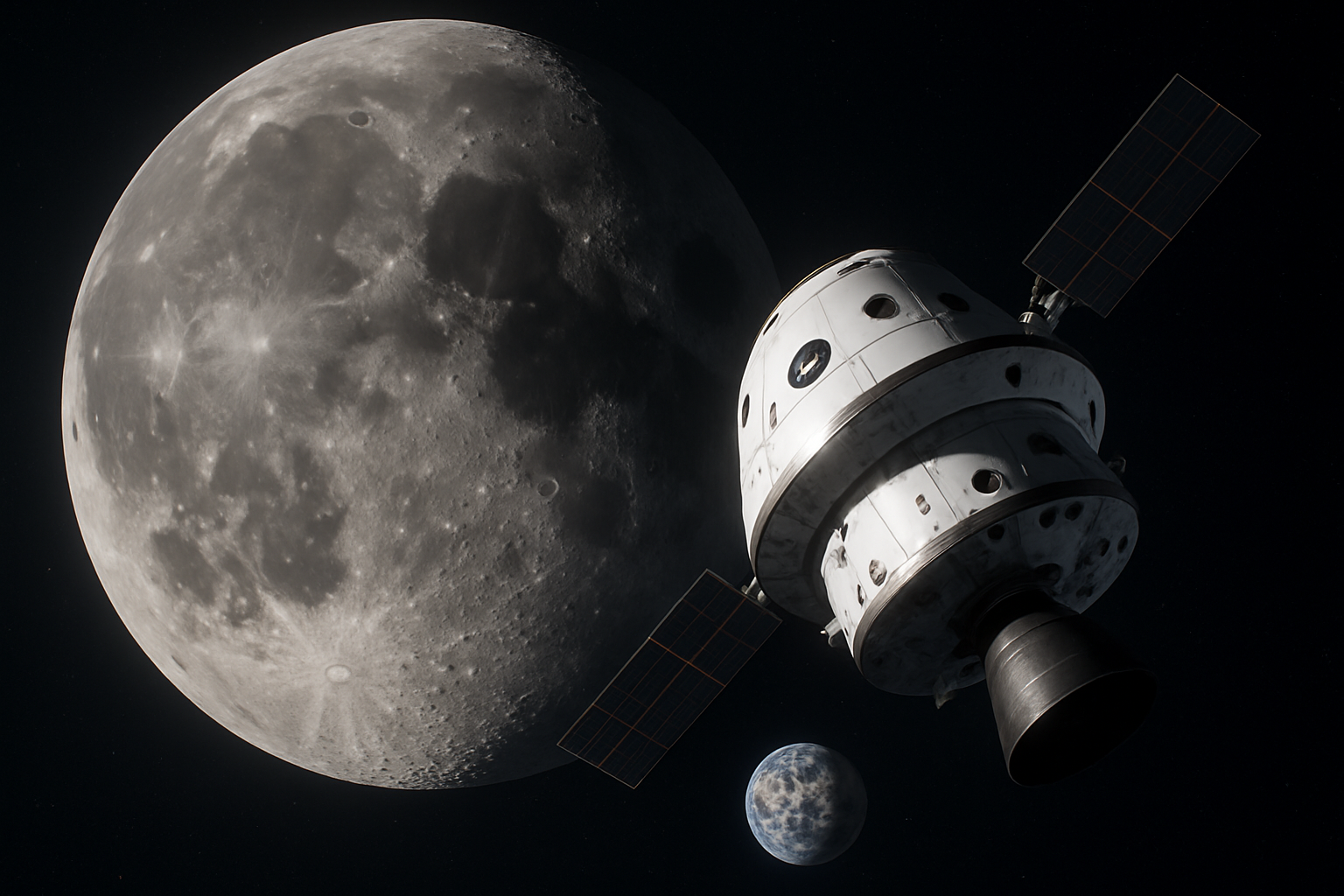
NASA’s Artemis II mission has carried a four-person crew farther from Earth than any humans in history and around the far side of the moon, a key milestone in America’s return to deep space exploration. The flight is designed as a full-up crewed test of the Orion spacecraft before future missions attempt the first lunar landings since Apollo.
This orbit and lunar flyby are meant to prove that NASA can safely send astronauts hundreds of thousands of miles from home, maintain life support and navigation, and guide them back through Earth’s atmosphere. The mission helps determine whether the systems built after the shuttle era are ready for more demanding trips, including long stays on the lunar surface.
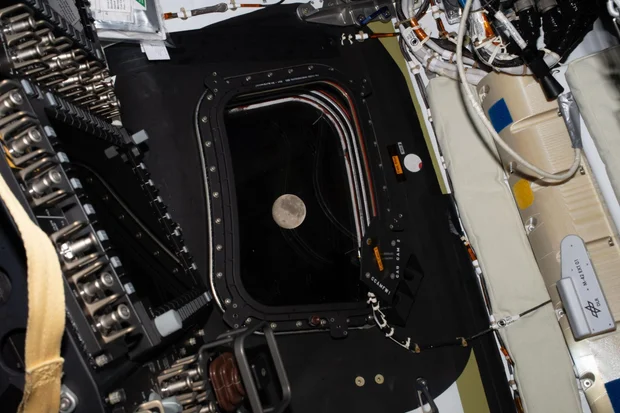
The flyby also reconnects today’s space program with the Apollo era in concrete ways. Artemis II surpasses an Apollo 13 distance record set in 1970 and gives its crew a rare, direct view of parts of the moon’s far side that have mostly been seen only by cameras and robotic probes, offering emotional and symbolic weight as well as technical data.
Key Facts and Quotes
According to live updates from the mission, the Orion spacecraft’s crew passed the Apollo 13 distance record of 248,655 miles from Earth and reached a maximum distance of about 252,756 miles. The achievement came a little over five days after liftoff from Kennedy Space Center in Florida, marking the high point of the outbound leg of the test flight.
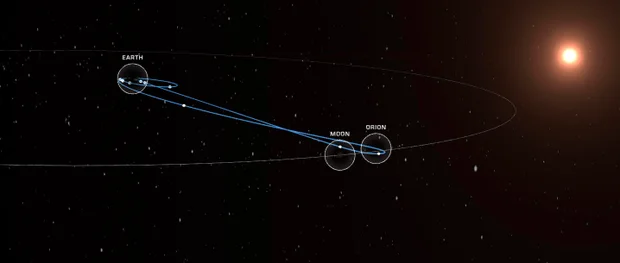
The astronauts are flying a lunar free-return trajectory, swinging around the moon and using its gravity to bend their path back toward Earth. During closest approach, Orion came within roughly 4,067 miles of the lunar surface. NASA imagery shows fresh views of the cratered landscape, and the crew has suggested provisional names for two small craters: Integrity, after their spacecraft and mission, and Carroll, in honor of a late spouse of a crew member.
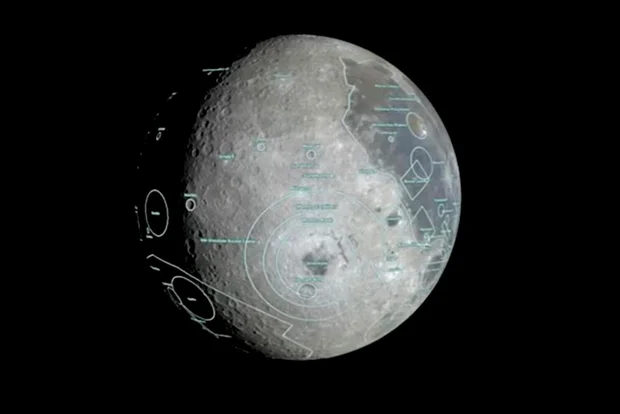
As expected, the crew temporarily lost contact with mission control while Orion passed behind the moon, where the moon itself blocks radio signals from Earth. This “loss of signal” period was planned and closely timed; communications were restored once the spacecraft emerged from the far side, confirming that the communications systems and mission procedures performed as designed.
Artemis II is the first crewed flight in NASA’s new lunar program. The agency has said of the broader effort, “With Artemis missions, NASA will land the first woman and first person of color on the Moon,” describing these flights as critical steps toward a long-term human presence on and around the moon and, eventually, missions deeper into the solar system.
What It Means for You
For U.S. taxpayers and spaceflight watchers, Artemis II is an early test of whether a new generation of spacecraft can deliver on decades of planning. Success on this mission could build support in Congress and among international partners for later flights that attempt lunar landings, establish small bases, and expand commercial work in space.
In the near term, the main things to watch will be how Orion performs on its trip home, including engine burns, navigation, reentry, and splashdown. Over the longer term, NASA and its partners will use what they learn from Artemis II to refine plans for surface missions later in the decade, shaping everything from scientific priorities to how astronauts might one day use the moon as a stepping stone toward Mars.
What part of this new wave of moon exploration interests you most: scientific discovery, long-term human habitats, or preparing for future trips to Mars?
Sources
CBS News live updates on Artemis II lunar flyby and distance record, April 6, 2026; NASA Artemis program and Orion spacecraft background materials and public statements, accessed through October 2024.