Why This Matters
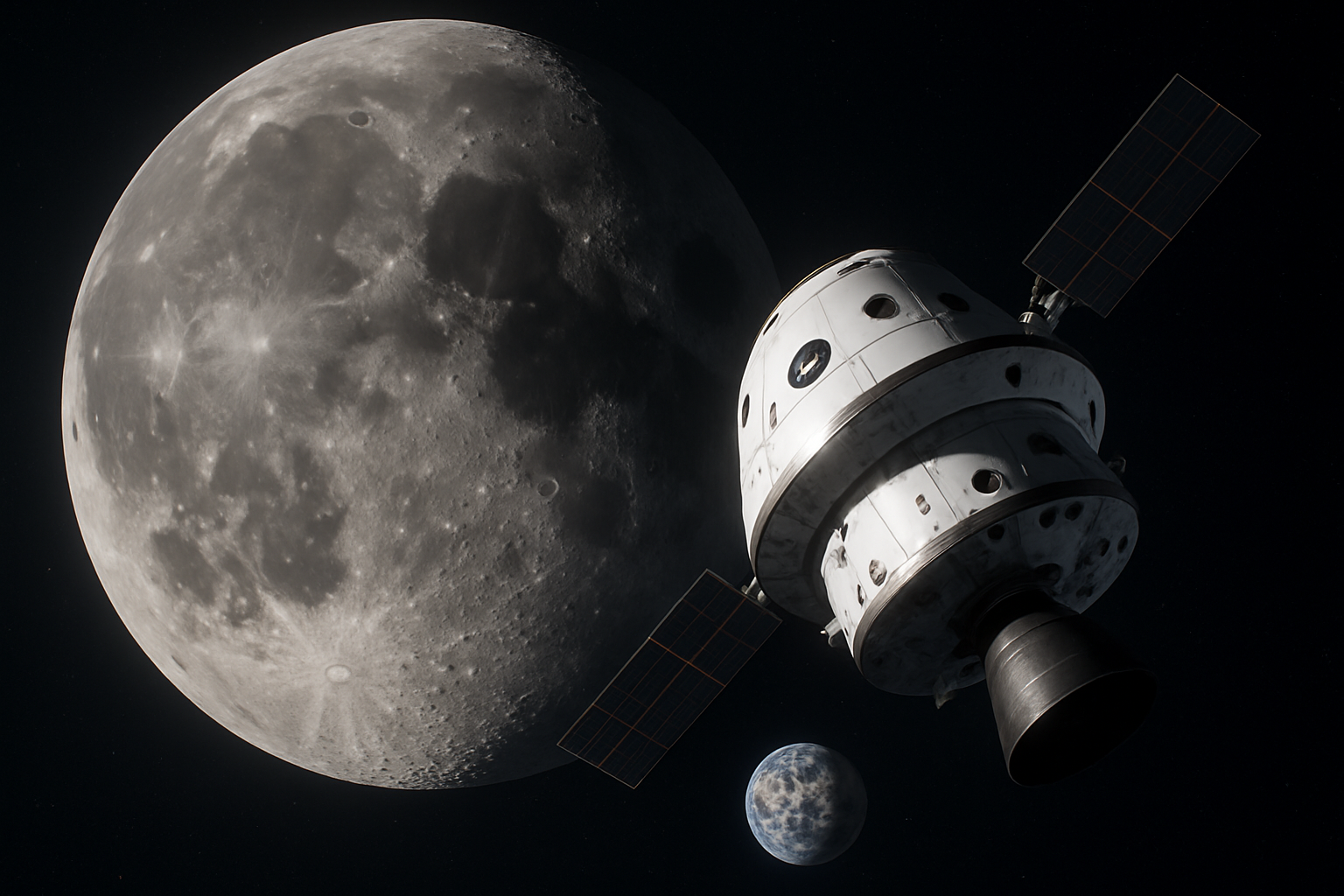
NASA’s Artemis II mission is sending four astronauts farther from Earth than any humans have traveled before, while they study parts of the Moon that have rarely, if ever, been seen by human eyes. Their seven-hour lunar flyby is a key test of both the spacecraft and the value of human observation.
This is the first crewed journey to the moon in more than 50 years, following the Apollo era. The mission is a stepping stone toward future attempts to land near the lunar south pole, a region believed to hold water ice that could support long-term exploration later this decade.
Unlike robotic probes, the crew can react instantly to subtle changes in color, texture, and lighting on the lunar surface. NASA scientists hope that trained human eyes, paired with modern cameras, will reveal new details that satellite images and instruments have missed, refining maps and targets for future landings.
Key Facts and Quotes
The Orion capsule, launched atop NASA’s Space Launch System rocket from Kennedy Space Center last week, is carrying NASA astronauts Reid Wiseman, Victor Glover, and Christina Koch, along with Canadian Space Agency astronaut Jeremy Hansen. According to mission updates cited by NPR, the crew passed Apollo 13’s distance record of 248,655 miles from Earth at 1:57 p.m. Monday.
At its closest, Orion will come within about 4,070 miles of the lunar surface, higher than Apollo flybys but ideal for wide-angle science. Artemis II lunar science lead Kelsey Young said the team has identified roughly 35 geological targets. The astronauts will describe what they see several times an hour, with their real-time comments shared on a public livestream.
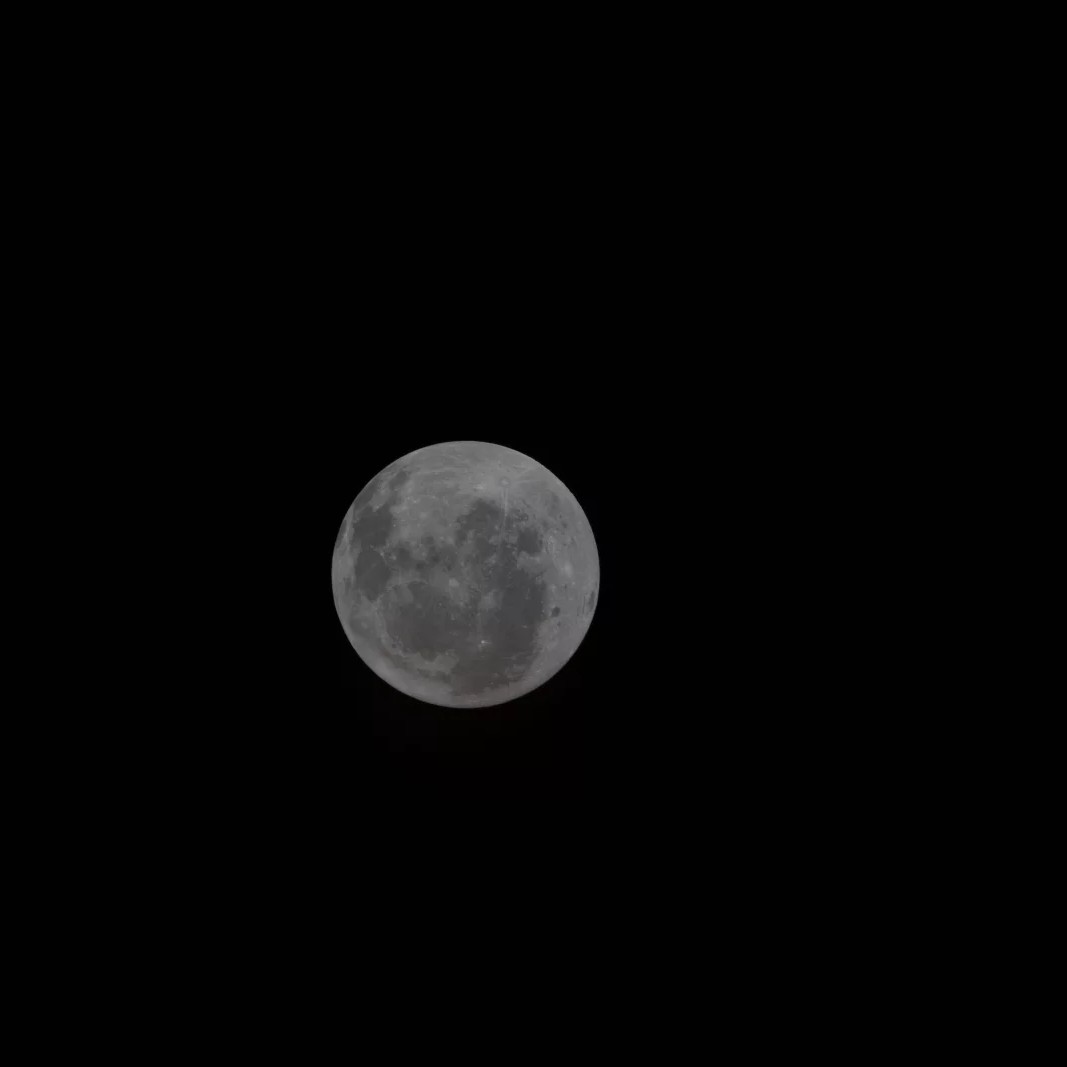
From this vantage point, the crew is viewing the moon’s far side under a new illumination angle, giving scientists fresh 3D insight into color variations and topography. They are also passing over the Apollo 12 and Apollo 14 landing sites and catching a brief look at the south polar region, where NASA says humans could land as early as 2028. The astronauts will even watch a solar eclipse from deep space, seeing the sun slip behind the moon.
Young emphasized the value of human perception, saying ‘the human eye, especially when it’s connected to a well-trained brain, [is] capable of just in literally the blink of an eye, making nuanced color observations.’ She added that scientists know the moon’s basic composition and terrain, ‘but we don’t know what the crew is going to see in these specific illumination conditions from a scientific perspective, and that’s exciting.’
Commander Reid Wiseman described the view in emotional terms, telling Mission Control that seeing features like the Tycho crater, the Copernicus region, and the bright swirl of Reiner Gamma felt ‘absolutely unbelievable’ and ‘incredible’ compared with training images. Controllers replied with a lighthearted “Copy, moon joy,” underscoring the sense of shared awe on the ground.
To capture the moment, Orion is outfitted with two Nikon D5 cameras and one Nikon Z9. Young said NASA expects thousands of photos from the flyby and plans to release images to the public as quickly as possible. Artemis II has 10 science objectives for this pass, including closely tracking color differences on the lunar surface and building a more immersive three-dimensional picture of the moon.
What It Means for You
For the public, Artemis II offers a rare chance to hear astronauts describe the moon in real time and to see new high-resolution images soon after they are taken. Those observations will help scientists fine-tune maps, select future landing zones, and better understand the resources that could support longer human stays on the lunar surface.
In the longer term, what the crew reports back from this record-setting distance will inform Artemis III and later missions that aim to land near the lunar south pole. The success of this flyby, and the insights it produces, will help determine how quickly humans return to walking on the moon and how ambitious those missions can be.
Which part of this mission feels most significant to you: the new distance record, the astronauts’ live descriptions, or the prospect of future landings at the lunar south pole?
Sources
Primary details from NPR report ‘What can Artemis II astronauts see that satellites haven’t captured?’ published April 6, 2026; general background on NASA’s Artemis program and Apollo lunar exploration from NASA mission archives and program overviews accessed prior to 2024.