TL;DR
Kentucky Gov. Andy Beshear is chairing the Democratic Governors Association as the party eyes difficult 2026 governor races and quietly weighs governors as leading prospects for the 2028 presidential nomination.
Why This Matters
Governors are emerging as central players in the next phase of national politics. After Democrats lost the White House and Senate in 2024 and fell short of reclaiming the House, many party leaders see state executives as their most effective messengers and problem-solvers. Their records on jobs, public safety, education and everyday costs can be easier for voters to judge than congressional debates in Washington.
Beshear, a two-term Democrat governing a strongly Republican state, now leads the Democratic Governors Association (DGA), which coordinates strategy and fundraising for the party’s governors and candidates. His role put him at the center of discussions during recent governors’ meetings in Phoenix, where Democrats openly suggested that the party’s 2028 presidential nominee is likely to come from their ranks.
Those conversations are unfolding as states prepare for high-stakes 2026 governor races in Georgia, Arizona, Michigan, Wisconsin and several traditionally Republican states. Outcomes there will shape how both parties govern on issues such as inflation, housing, childcare and trade policy – and may also determine which governors gain the national profile needed for a future White House bid.
Key Facts & Quotes
Beshear has built a distinct political profile by twice winning statewide office in Kentucky, a state that has trended strongly Republican. Now, as DGA chair, he is helping coordinate Democratic efforts in 2026 contests where the party hopes to defend or flip governorships.
Kentucky Governor Andy Beshear was elected chair of the Democratic Governors Association on Saturday.
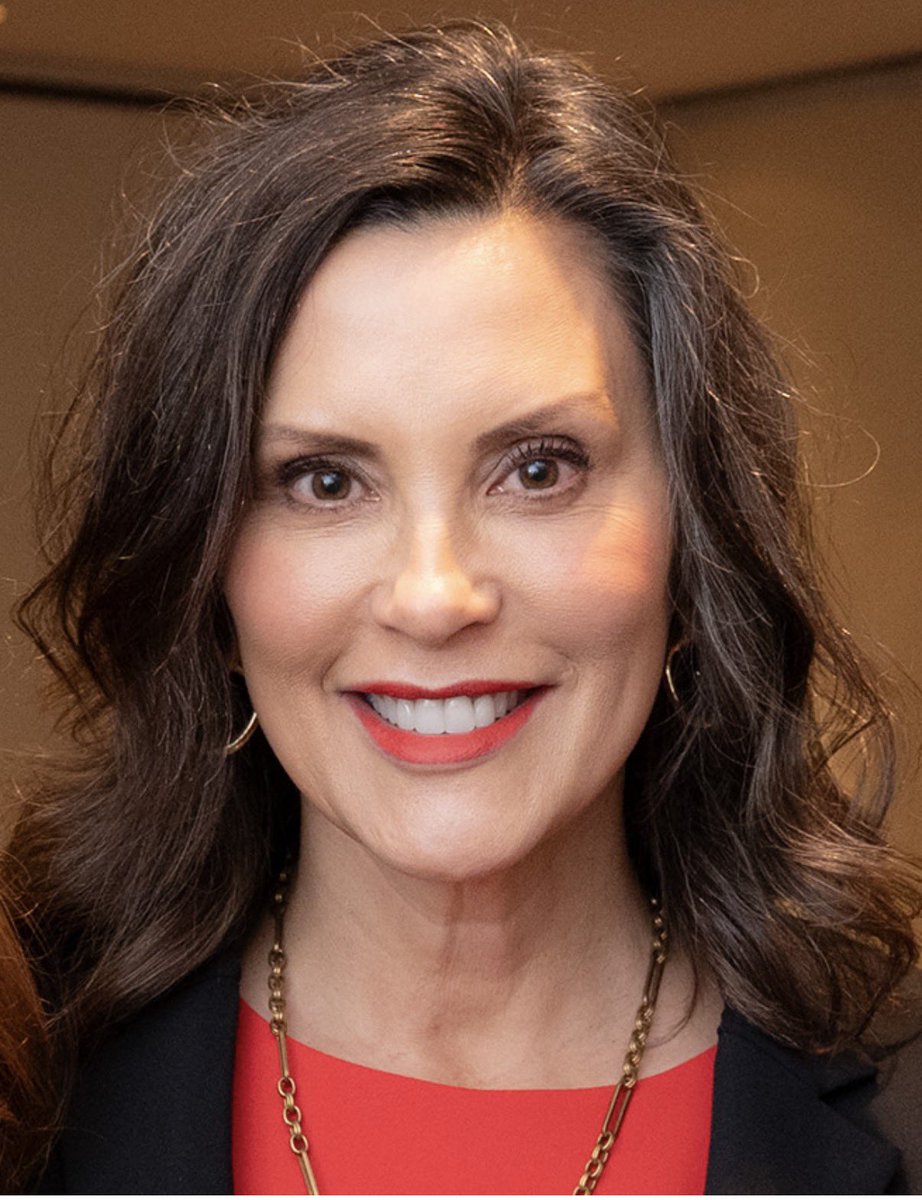
Michigan Governor Gretchen Whitmer was elected vice chair.
Both are possible candidates for the presidency in 2028. pic.twitter.com/e2IKQoMdtG
— Politics & Poll Tracker 📡 (@PollTracker2024) December 7, 2025
At a recent gathering of Democratic governors in Arizona, Beshear argued that voters respond more to visible results than to legislative ceremony. “A signing in the Rose Garden isn’t real to people anymore,” he said. “What Democratic governors do is produce tangible results that you can see and touch and feel.”
Several Democratic governors suggested the party’s 2028 presidential nominee is likely to be one of them. Kansas Gov. Laura Kelly, who previously led the DGA, told reporters, “I have absolutely no doubt that the candidate in ’28 will be from the ranks of the Democratic governors, either current or past.”
Names mentioned in that conversation include Beshear, California Gov. Gavin Newsom, Minnesota Gov. Tim Walz and Michigan Gov. Gretchen Whitmer, all of whom attended the Arizona meetings. Whitmer, who serves as a vice chair for the DGA’s political operation, said, “As we look to where we are as a country, what we need going forward, the solutions are being driven by the governors.” Pressed on 2028 plans, she added, “Who knows.”
Republican leaders have pushed back on these governors’ national profile. Kentucky GOP chair Robert J. Benvenuti III said voters in his state prefer “Republican leadership and Republican policies as opposed to the radical and anti-American policies of the left.” In Michigan, Senate Republican Leader Aric Nesbitt, a candidate for governor, argued that Whitmer is “more concerned with her public appearance and public relations around the country than she is on solving Michigan’s most pressing problems.”
Strategists in both parties say the 2026 governor races will be more challenging than recent open contests in traditionally Democratic states such as New Jersey and Virginia. Democrats aim to win the Georgia governor’s office for the first time in decades and to re-elect Gov. Katie Hobbs in Arizona, two states that swung between parties in the 2020 and 2024 presidential elections.
The party also hopes to retain influence in Michigan and Wisconsin, while targeting a Republican incumbent in Nevada and pursuing pickups in Kansas, Iowa and Ohio – states that have leaned more Republican over the last 15 to 20 years. Beshear’s advice to candidates: “Get dirt on your boots, make sure that you are showing up in places that maybe Democrats haven’t gone in far too long.”
Newsom, who has taken a combative public stance toward former President Donald Trump, said Democrats must rethink how they compete nationally. “The playbook is all being rewritten in real time, and we have to be authors of our own success, and we’re not victims,” he said, adding that he dislikes the party being seen as weak.
What It Means for You
For many voters, governors can have a more direct impact on daily life than presidents or members of Congress. Decisions made in state capitals influence school funding, policing, road repairs, housing rules and access to childcare. As inflation, tariffs, housing and grocery prices and childcare shortages continue to strain families, governors’ responses may shape how people view each party’s ability to govern.
If a Democratic governor ultimately becomes the party’s 2028 presidential nominee, their record on these state-level issues could become a central part of the national debate. The 2026 governor races will help determine which leaders gain that platform – and how much each party can point to real-world results rather than promises in Washington. For voters, watching how governors handle budgets, emergencies and cost-of-living pressures in the next two years may offer an early preview of the arguments likely to dominate the next presidential race.
Sources: Public comments by Governors Andy Beshear, Gretchen Whitmer, Gavin Newsom and Laura Kelly; statements from Republican officials in Kentucky and Michigan; and summary accounts of recent Democratic governors’ meetings in Phoenix, Arizona.
What matters more to you when judging potential national leaders: their record as a governor, or the policies they promote on the national stage?