TL;DR
Iran says U.S. strikes on its oil hub came from UAE territory and urges evacuations near major Emirati ports, stoking fresh fears over Gulf shipping and global energy supplies.
Why This Matters
The latest escalation in the Iran war shifts potential targets beyond military bases and sea lanes to include commercial ports and energy hubs in U.S.-aligned Gulf states. That raises the risk that fighting, now entering its third week, could spill directly into one of the world’s busiest trade and oil corridors.
Roughly one-fifth of global oil supplies usually pass through the Strait of Hormuz. Any disruption there, or at ports like Dubai’s Jebel Ali and Fujairah, could push up fuel prices, roil financial markets, and strain already fragile supply chains. For governments, the challenge is to contain the conflict without inviting further attacks on their territory or shipping.
The United States is reinforcing its military presence, while Iran and Israel exchange strikes across a widening map that now includes Iraq and Lebanon. Each added front increases the risk of miscalculations among heavily armed adversaries operating in close quarters, with consequences that could extend far beyond the Middle East.
Key Facts & Quotes
Iran on Saturday urged civilians to evacuate three ports in the United Arab Emirates, including Dubai’s Jebel Ali and Abu Dhabi’s Khalifa, accusing the United States of using “ports, docks and hideouts” there to strike Kharg Island and Abu Musa Island, two key Iranian outposts. Tehran offered no public evidence for the claim.
Foreign Minister Abbas Araghchi said in a broadcast interview that launches came from Ras Al-Khaimah and an area “very close to Dubai,” calling this dangerous but adding Iran would “try to be careful not to attack any populated area.” U.S. Central Command said it had no response to the allegation, while a senior adviser to the UAE president wrote that the country has the right to defend itself but “still prioritizes reason and logic, and continues exercising restraint.”
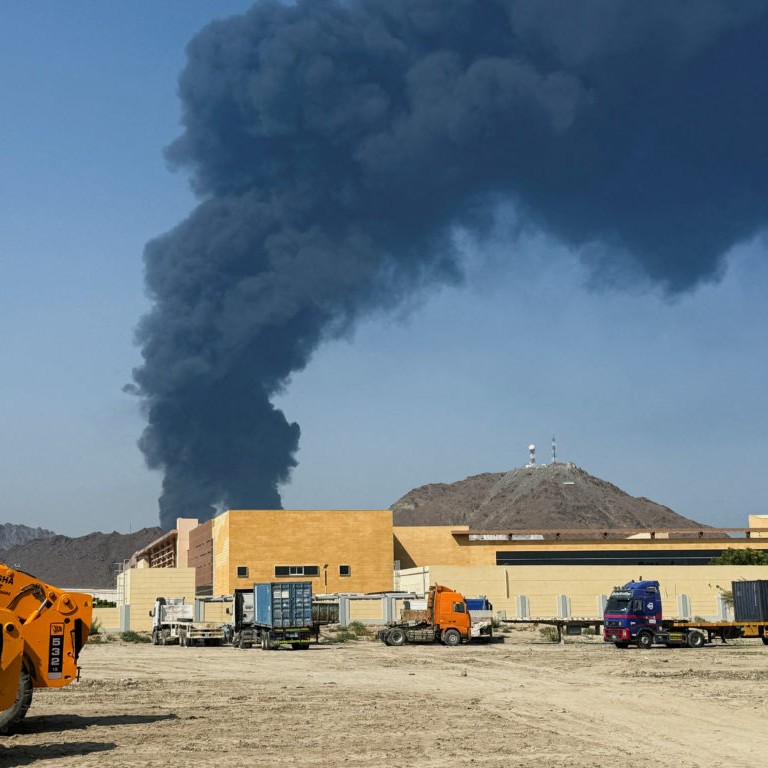
There were no reported hits on Jebel Ali or Khalifa ports, but debris from an intercepted Iranian drone caused a fire at an oil facility in Fujairah, another major Emirati port. Iran’s joint military command repeated its threat to strike U.S.-linked “oil, economic and energy infrastructures” in the region if its own oil sites are attacked.
JUST IN: 🇦🇪 UAE’s Fujairah port halts some oil loading after it was attacked by Iran, hours after US strikes on Iran’s Kharg Island.
The Fujairah port is UAE’s only oil export terminal outside of the Strait of Hormuz.
Iran warns UAE ports and US interests in the country could… pic.twitter.com/FK4EuyuJNW
— HOKANEWS.COM (@hokanewscom) March 15, 2026
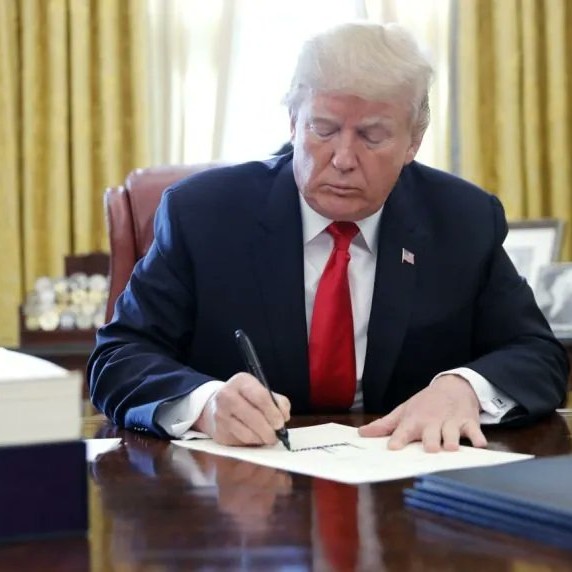
U.S. President Donald Trump said American forces had “obliterated” military sites on Kharg Island and warned Iran’s oil infrastructure could be targeted if Tehran continues interfering with ships in the Strait of Hormuz. Iran’s parliamentary speaker has warned that such a move would trigger a new level of retaliation.
Beyond the Gulf, a missile hit a helipad inside the U.S. Embassy compound in Baghdad, part of a pattern of attacks blamed on Iran-aligned militias. The U.S. State Department again urged American citizens to leave Iraq “now,” noting that Iran and allied groups “may continue to target” U.S. interests.
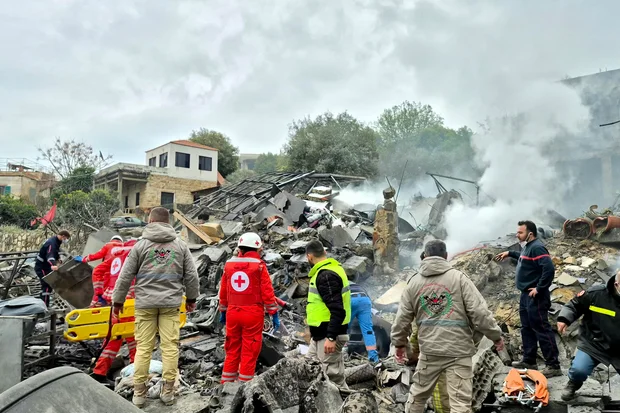
In Lebanon, airstrikes against Iran-backed Hezbollah have killed more than 800 people and displaced about 850,000, deepening a humanitarian crisis. A U.S. official said 2,500 Marines from the 31st Marine Expeditionary Unit and the amphibious assault ship USS Tripoli are heading to the region, part of the largest U.S. buildup of warships and aircraft there in decades.
What It Means for You
For many Americans, what happens in the Strait of Hormuz shows up first at the gas pump and in retirement accounts. Sustained tension or a serious attack on oil infrastructure could push up gasoline, diesel, and jet fuel prices, feeding into airfares and shipping costs.
The buildup of U.S. forces also matters for military families and communities tied to defense jobs. While officials say deployments do not automatically signal a ground war, they reflect Washington’s concern about protecting shipping lanes and embassies.
Travel to Iraq and some neighboring areas is growing riskier, with official advisories urging U.S. citizens to leave Iraq by land as commercial flights remain limited. In the weeks ahead, watch for any strike on major Gulf energy facilities, new naval deployments, or moves to close or restrict the Strait of Hormuz – all signals that could further affect markets and global news headlines.
What do you think is the most important step world leaders should take now to prevent this regional conflict from spiraling further?
Sources:
- Public remarks by Iranian Foreign Minister Abbas Araghchi (broadcast interview and social media posts, March 14, 2026).
- Statements from U.S. Central Command (March 2026).
- Public comments by UAE presidential adviser Anwar Gargash (March 14, 2026).
- U.S. State Department security alert for Iraq (March 2026).
- Briefings by U.S. defense officials (March 2026).