TL;DR
Iran’s foreign minister says Tehran sees no reason to talk with Washington, insisting it will keep fighting what he calls an illegal, unwinnable war.
Why This Matters
The latest update from Tehran highlights how far apart Iran and the United States remain after weeks of open conflict. When senior officials publicly rule out talks, it becomes harder for diplomats on all sides to find an off-ramp from war.
For Americans, prolonged fighting with Iran raises the risk of regional escalation that could draw in more U.S. forces, threaten shipping lanes, and push up global energy prices. It also complicates efforts to limit Iran’s nuclear program, long a central focus of U.S. and European policy.
The exchange underscores a broader pattern in global news: public rhetoric often hardens even as private contacts persist. President Donald Trump says Iran wants a deal; Iran’s Abbas Araghchi says there is “nothing on the table” and no reason to negotiate. That gap in public narratives matters because it shapes expectations in Tehran, Washington, and among allies who may be asked to support sanctions, military action, or a future peace framework.
Key Facts & Quotes
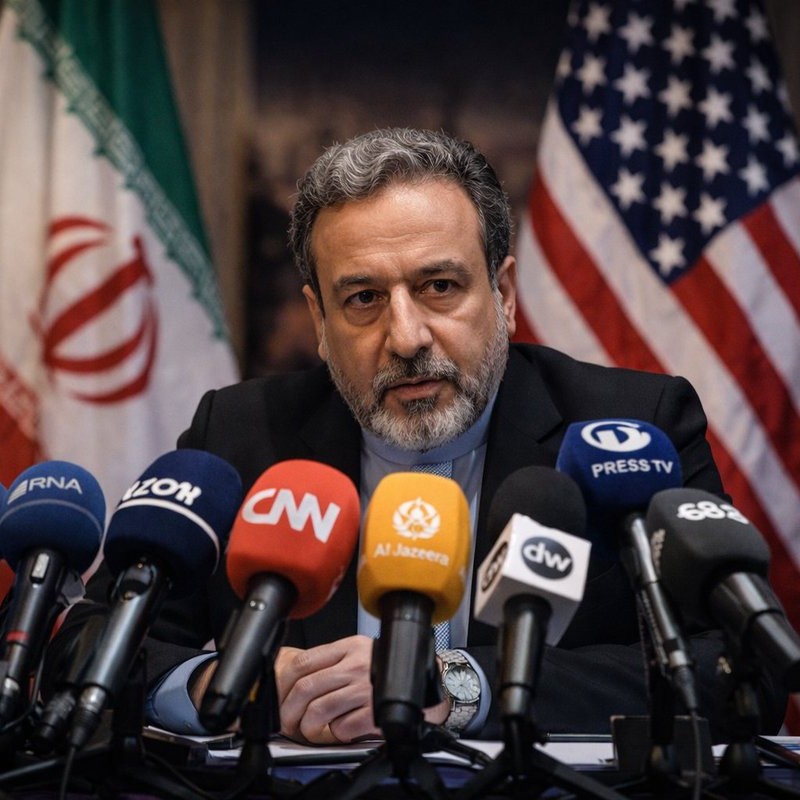
In an interview on the U.S. program Face the Nation with host Margaret Brennan, Iranian Foreign Minister Abbas Araghchi said, “We don’t see any reason why we should talk with Americans.” He stressed that Tehran had not requested a ceasefire or negotiations, adding, “We never asked for a ceasefire, and we have never asked even for negotiation.”
UPDATE: Iran’s Foreign Minister Abbas Araghchi says the country is not in a “war of survival,” describing the government as “stable and strong enough.” He says Tehran sees no reason to hold talks with the U.S. after what he called repeated attacks. pic.twitter.com/AguKYvQDQ5
— Hortabin Media (@HortabinMedia) March 15, 2026
The conflict is now in its third week, following initial strikes on Iran by the United States and Israel late last month, according to Araghchi. He called the fighting, “a war of choice by President Trump and the United States,” and said Iran was “ready to defend ourselves as long as it takes,” until, in his words, President Trump recognizes “this is an illegal war with no victory.”
Araghchi rejected the idea that Iran’s government is fighting for survival, saying it is “stable and strong enough.” He argued there is “no good experience talking with the Americans,” recalling that discussions were underway when strikes were ordered. “We were talking with them when they decided to attack us … So what is good if we go back to talk once again?” he asked.
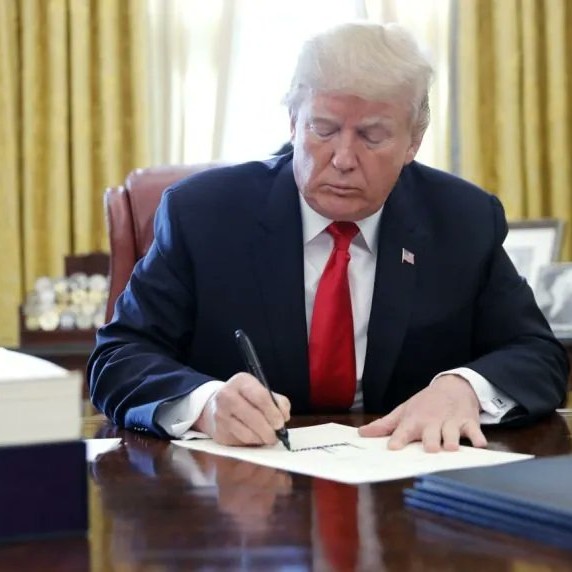
President Trump, in a post on the social media platform Truth Social, wrote that Iran “is totally defeated and wants a deal, but not a deal that I would accept.” In a separate televised interview, he said, “Yeah, we’re talking to them, but I don’t think they’re ready. But they’re getting pretty close.”
Araghchi also revealed that, before the strikes, Iran had offered to dilute its enriched uranium, calling it a “big concession in order to prove that Iran has never wanted nuclear weapons and would never want them.” Asked if that offer still stands, he replied, “There is nothing on the table right now,” adding that any future proposal would depend on circumstances at the time.
What It Means for You
For many readers, this story is less about distant leaders and more about the knock-on effects of a prolonged U.S.-Iran war. Extended fighting could keep U.S. troops deployed longer in the Middle East, increase risks to commercial flights and shipping, and feed volatility in oil and gas prices that ripple into household budgets.
Diplomatic stalemate also makes it harder to reduce nuclear risks. If Iran’s offer to dilute enriched uranium is off the table, future talks may need to start from a tougher position on all sides, potentially delaying any easing of tensions or sanctions.
What to watch next: signs of back-channel communication, any change in Iran’s public stance on talks, and whether Washington shifts its conditions for a ceasefire or negotiations. These moves will help indicate whether this remains an open-ended conflict or begins to move toward a political solution.
How do you think leaders should balance public toughness with private diplomacy when a fast end to war is at stake?
Sources:
- Interview with Abbas Araghchi on Face the Nation, broadcast March 15, 2026.
- Public statements by President Donald Trump on social media and in U.S. television interviews the same weekend.