TL;DR
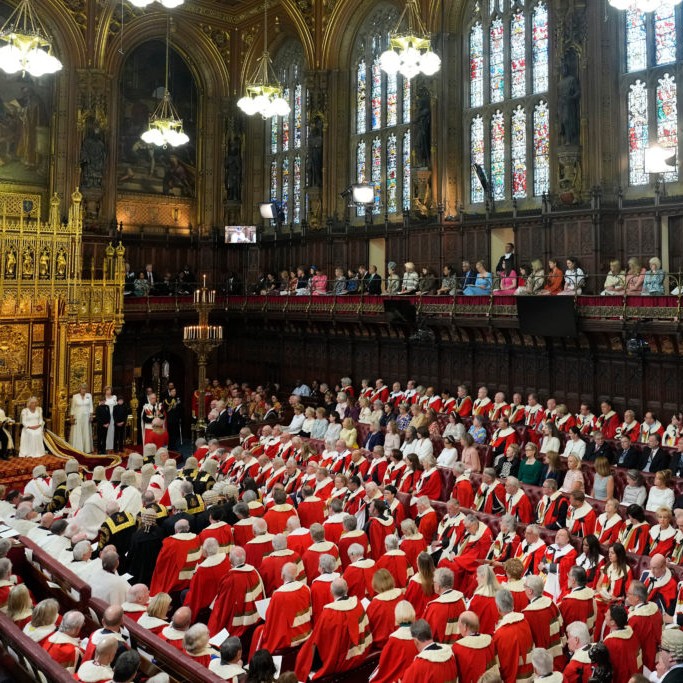
Britain has approved a law to remove hereditary nobles from the House of Lords, ending automatic aristocratic seats and completing a reform process begun in 1999.
Why This Matters
The decision to eject hereditary peers closes a chapter that stretches back more than 700 years in British politics. For centuries, unelected aristocrats helped shape laws affecting millions of people in the United Kingdom and, historically, across the British Empire.
Supporters of the change say it brings the political system closer to modern democratic standards, in which lawmakers derive authority from voters rather than inherited titles. Critics, however, warn that the reform still leaves the Lords unelected, since most members will continue to be appointed as “life peers” by political leaders.
The move also fits into a wider global conversation about how older institutions adapt to 21st-century expectations. From constitutional monarchies in Europe to appointed senates in Canada and elsewhere, many countries are rethinking how tradition, expertise, and democratic legitimacy should balance in their upper chambers.
Key Facts & Quotes
Members of the House of Lords agreed this week to drop their remaining objections to legislation already passed by the elected House of Commons. The bill removes the last group of hereditary dukes, earls, and viscounts who automatically held seats in Parliament by birth, according to official records of the debate on 11 March.
Government minister Nick Thomas-Symonds told peers the change ends “an archaic and undemocratic principle” and argued that “our parliament should always be a place where talents are recognized and merit counts.” The chamber currently has more than 800 members, making it one of the world’s largest legislatures; around one in ten are still hereditary peers.
The reform builds on a 1999 law that removed most of roughly 750 hereditary peers but allowed 92 to stay on a “temporary” basis. Under the new compromise, some of those nobles will be converted into life peers, while the rest must depart once King Charles III gives royal assent, a step that is expected but still required. Nicholas True, the Conservative leader in the Lords, noted the history at stake, saying that over “well over seven centuries,” many hereditary peers “served their nation faithfully and well.”
What It Means for You
For most people in the United States, this latest update is a reminder that even long-standing democracies keep adjusting how power is shared. Britain’s step may influence debates in other countries with appointed or partially appointed upper chambers, including allies that often look to Westminster as a model.
Inside the U.K., the government has signaled it wants a second phase: replacing the Lords with a new body that is “more representative of the U.K.” That could eventually mean a smaller, partly or fully elected chamber. How quickly that happens, and whether it reduces political gridlock or simply reshuffles power, is likely to be watched closely by voters and constitutional reformers worldwide.
Do you think long-established political institutions should change gradually, as Britain has done, or through faster, more sweeping reforms?
Sources: U.K. Parliament debate transcripts and bill documents (March 2026); government explanatory notes on House of Lords reform (March 2026).