TL;DR
President Trump says he may order limited strikes on Iran to push Tehran into a new nuclear deal, as Iran signals it is drafting a fresh proposal.
Why This Matters
The latest update on U.S.-Iran tensions highlights how quickly diplomacy and the threat of force can move in parallel. Washington is signaling it is willing to consider limited military action, even as Tehran’s foreign minister says a new proposal is being drafted. That dual track underscores how fragile efforts remain to curb Iran’s nuclear program and avoid a wider regional conflict.
For many Americans, developments with Iran may feel familiar. The United States withdrew from the 2015 nuclear agreement in 2018, and since then, Iran has expanded parts of its nuclear work and clashed indirectly with U.S. forces and partners. Any hint of military escalation can affect global oil prices, regional stability in the Middle East, and the safety of U.S. troops deployed abroad.
The president’s public reference to a large, controversial death toll from recent protests in Iran adds another sensitive layer, tying human rights concerns to already tense nuclear and security negotiations.
Key Facts & Quotes
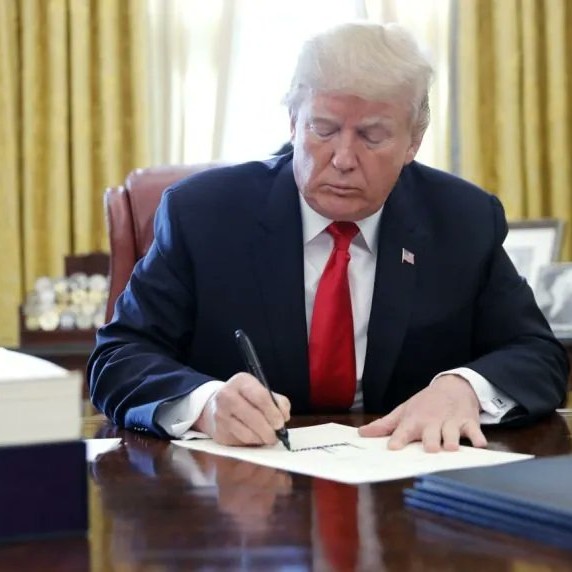
According to remarks aired Friday and reported by PBS NewsHour, President Donald Trump said he is considering a limited strike on Iran as a way to push Tehran toward a new diplomatic agreement on its nuclear program. He framed the possible action as leverage rather than a move toward full-scale war, saying Iranian leaders “better negotiate a fair deal,” PBS foreign affairs correspondent Nick Schifrin reported.
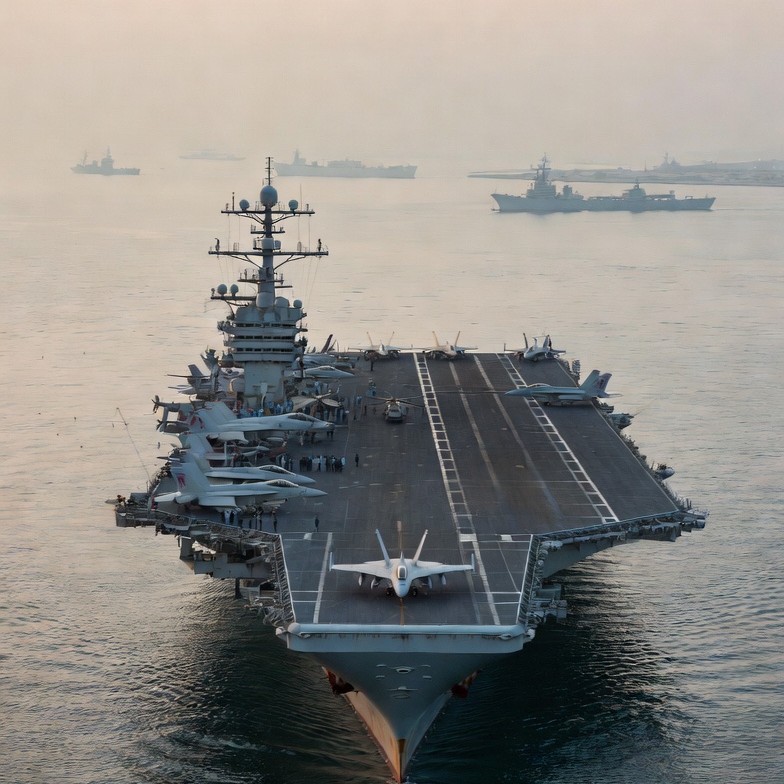
The comments come as the United States continues to deploy additional military assets to the region. While specific numbers and locations were not detailed in the broadcast, the buildup is intended to reinforce deterrence and reassure U.S. partners.
On the Iranian side, Foreign Minister Mohammad Javad Zarif was quoted in the same segment as saying he is drafting a new diplomatic proposal, described as part of ongoing talks over Iran’s nuclear activities and broader tensions with Washington.
Iran’s foreign minister said on Friday he expected to have a draft counterproposal ready within days following nuclear talks with the United States this week, while US President Donald Trump said he was considering limited military strikes.
For more: pic.twitter.com/U6mcHQWZfk
— The Express Tribune (@etribune) February 21, 2026
Schifrin also noted that Trump accused Iranian authorities of killing 32,000 people during a recent crackdown on what were described as unprecedented protests. He said that figure has been cited by some activists but had not previously been used publicly by the U.S. government before the president’s remarks.
What It Means for You
For U.S. readers, this means heightened uncertainty over the risk of another conflict in the Middle East. Even “limited strikes” can trigger retaliation, affect U.S. troops stationed across the region, and unsettle financial markets, potentially influencing energy prices and retirement portfolios.
At the same time, both sides continue to discuss diplomacy. Whether Iran’s promised proposal leads to serious negotiations will shape the chances of a new nuclear understanding and help determine if the situation moves toward talks or tit-for-tat attacks.
Americans with family members in the military, or with ties to the region, may want to follow how Congress is briefed, how U.S. allies respond, and whether independent organizations are able to verify claims about protest casualties and human rights conditions in Iran.
Question for readers: Do you believe the U.S. should rely more on diplomacy, military pressure, or a mix of both in dealing with Iran’s nuclear program?
Sources: Public remarks by President Donald Trump on Iran, Feb. 20, 2026; PBS NewsHour interview and report by Nick Schifrin and Amna Nawaz, PBS, Feb. 20, 2026.