TL;DR
A powerful bomb cyclone brought blizzard conditions, deadly cold, outages and travel chaos to the Eastern U.S., with more than 100 deaths reported.
Why This Matters
A fast-deepening “bomb cyclone” has spread dangerous winter weather across much of the Eastern United States, from Texas to New Jersey and down into Florida. The system brought heavy snow, extreme wind chills and widespread power outages, affecting daily life for tens of millions of people. For many communities, the storm arrived on top of an earlier icy blast, stretching power crews, emergency rooms and local governments.
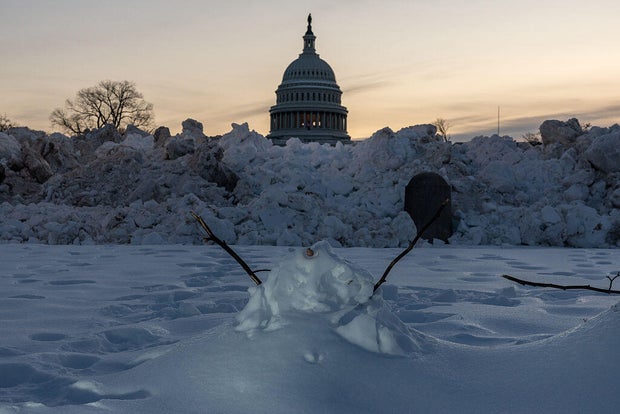
For older adults, families with young children and people with health issues, this kind of prolonged cold can be life-threatening, especially when paired with blackouts and unsafe heating methods. The storm has disrupted travel across major hubs, slowed deliveries and forced school and business closures from the Carolinas to New England. It has also damaged crops in Florida and tested infrastructure in cities like New York and Washington, D.C., which are still clearing snow and ice.
As extreme weather grows more common, events like this become not just a short-term hardship but a broader question of how prepared homes, power grids and local services are for rapid swings between heat and cold. The latest update from officials underscores how winter weather can still be deadly, even in regions used to milder conditions.
Key Facts & Quotes
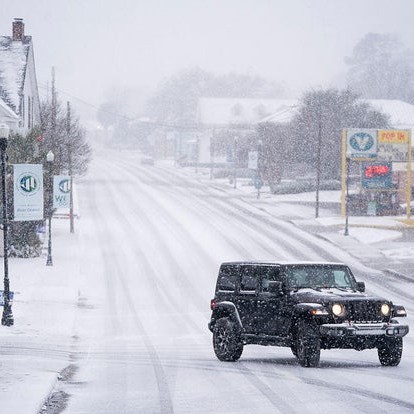
The powerful coastal storm intensified into what meteorologists call a bomb cyclone, driving blizzard-like conditions across parts of the Southeast and East Coast. Charlotte, North Carolina, saw one of its heaviest snowfalls in years, with around a foot of snow in some neighborhoods, while coastal flooding, high winds and bitter wind chills persisted along the Atlantic seaboard.
🚨 EAST COAST BOMB CYCLONE WARNING: Massive nor’easter barrels in THIS WEEKEND! North Carolina & Virginia coasts HIT FIRST & HARDEST—8-12″+ snow, 50+ mph blizzard gusts, whiteout conditions, coastal flooding & widespread outages expected! Starts Friday night in Carolinas, pushes… pic.twitter.com/TNSLx55mLY
— MGB World News (@MGBWorldNews) January 30, 2026
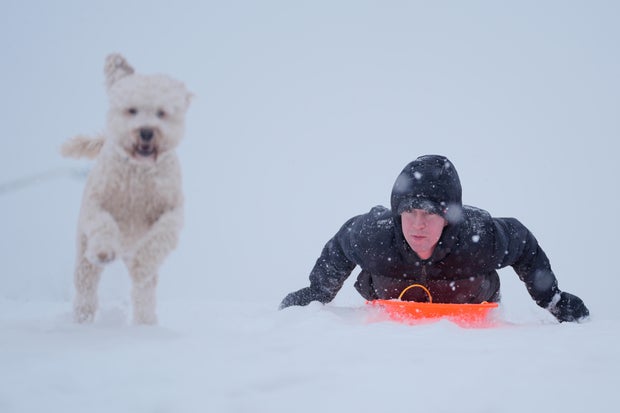
At least three deaths have been directly blamed on the latest system so far, officials said, two in North Carolina and one in Tennessee. Those add to a broader toll of at least 100 people who died from Texas to New Jersey in the earlier winter blast, according to preliminary tallies from state officials and media reports. Causes included hypothermia, carbon monoxide poisoning and accidents such as sledding crashes.
Roughly 150 million people were under cold weather advisories or extreme cold warnings across the eastern U.S., with wind chills near zero or in the single digits as far south as the Gulf Coast. A meteorologist at the National Weather Service’s Weather Prediction Center in College Park, Maryland, said South Florida was seeing its coldest air mass since December 1989, with snow flurries reported near Tampa-St. Petersburg and temperatures in the 20s and 30s Fahrenheit. “It’s an impressive cold shot, for sure, and there are daily records that are being seen down in the South,” he said.
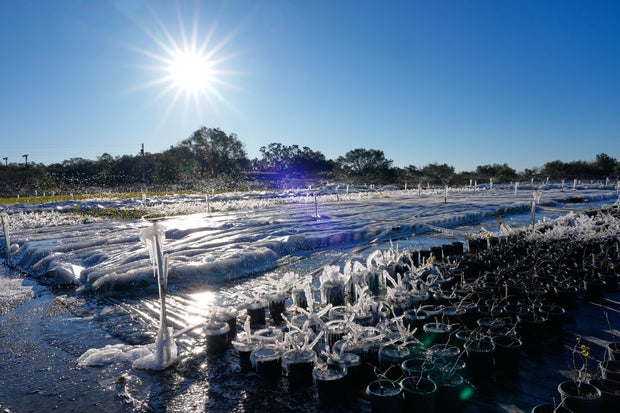
The unusual cold left iguanas in South Florida temporarily stunned and motionless and coated strawberries and oranges with ice, as farmers sprayed crops with water to form a protective glaze. Farther north, New York City crews reported melting more than 20 million pounds of snow using equipment they nicknamed “hot tubs,” while officials there suspect extreme cold helped bring communication cables down from elevated subway tracks onto parked cars.
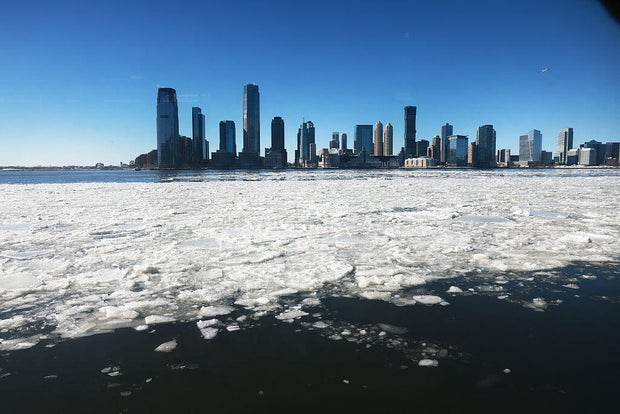
Travel was heavily disrupted. Flight tracking firm FlightAware reported almost 2,500 flight cancellations in the U.S. on Saturday and about 1,500 on Sunday, with more than 800 tied to Charlotte Douglas International Airport alone. A cruise ship based in Norfolk, Virginia, cut its trip short and skipped a scheduled stop in Turks and Caicos because of the conditions.
Power outages remain a major concern. An online outage tracker showed more than 100,000 homes and businesses without electricity in the Southeast, many of them in areas already in the dark for days after last week’s storm. In Tennessee, Nashville Electric Service said it expects 90% of customers to have power back by Tuesday and 99% by the following Sunday, two weeks after the first ice and snow hit. One resident, Terry Miles, 59, said he had been relying on a fish fryer for heat and worried about carbon monoxide, saying, “I’m taking a chance of killing myself and killing my wife, because – Why?”
Mississippi officials called it the state’s worst winter storm since 1994, opening around 80 warming centers while National Guard troops delivered supplies by truck and helicopter. In Washington, D.C., Guard members are also helping clear snow and ice from schools, with units on standby in 15 states to support recovery efforts.
What It Means for You
For residents across the East and South, the immediate concern is staying safe during a prolonged stretch of dangerous cold. Health experts warn that hypothermia and frostbite can develop quickly, especially for older adults, people without stable housing, or anyone lacking proper winter clothing and heating. They advise limiting time outdoors, layering clothing, checking on neighbors and using generators or space heaters only with proper ventilation.
The storm also highlights the importance of preparing for power outages even in areas that rarely see harsh winter weather, such as the Deep South and parts of Florida. Keeping a basic emergency kit-medications, blankets, nonperishable food, flashlights and battery power for phones-can reduce risks when the grid goes down. Travelers should expect lingering delays as airlines and road crews work through backlogs.
In the weeks ahead, local and state officials are likely to review how utilities performed, whether warming centers were sufficient and how to better protect vulnerable people and critical infrastructure from extreme cold. For many households, this storm may serve as a reminder to revisit winter plans, even in places where winter usually feels mild.
Sources
Information in this report is based on statements from the National Weather Service Weather Prediction Center in College Park, Maryland; data from flight tracking firm FlightAware; outage figures from poweroutage.us; and briefings by state and local officials and utilities in North Carolina, Tennessee, Mississippi, Virginia, New York and Washington, D.C. (all Feb. 1-2, 2026).
How prepared do you feel your home, workplace and community are for this kind of prolonged extreme cold and widespread power outages?