Why This Matters
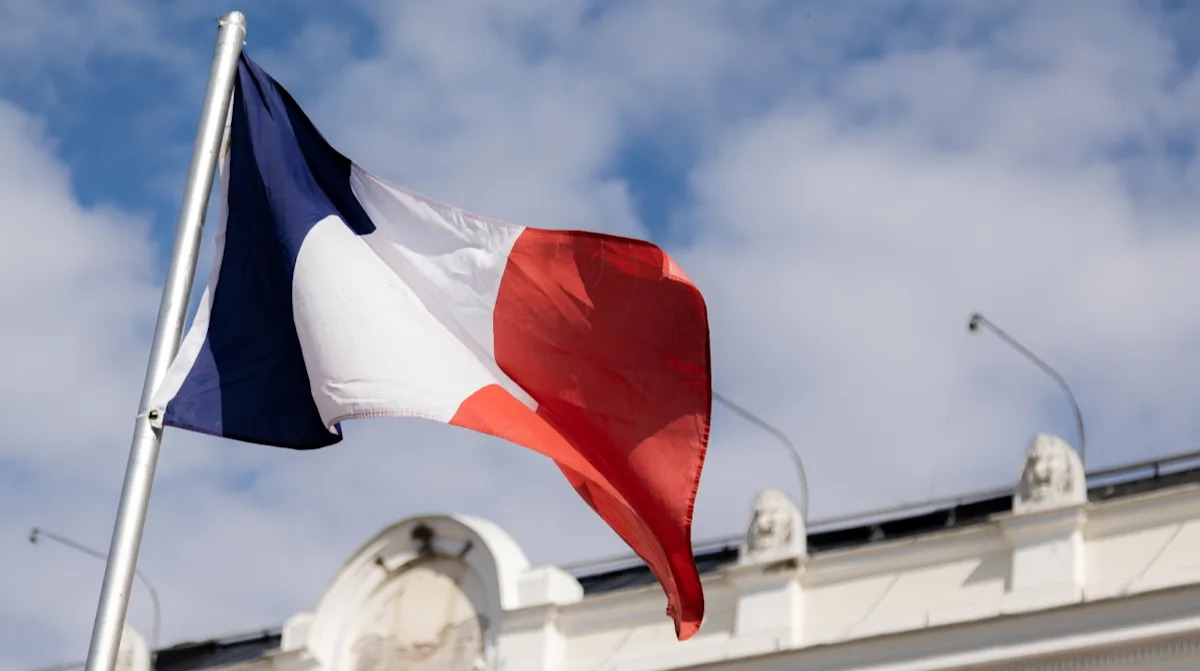
France’s public stance on any potential conflict involving Iran carries weight well beyond Paris. As a nuclear-armed country, a permanent member of the U.N. Security Council, and a leading voice in the European Union, France helps shape how Western governments respond when tensions rise in the Middle East.
Comments by France’s Minister Delegate for Europe and Foreign Affairs, Eleonore Caroit, signal how one of Washington’s closest allies is thinking about the balance between military action and diplomacy. When she says France does not want to “enter into a war without a framework,” she is touching on questions of legality, coordination with partners, and clear political goals.
The Middle East has seen repeated cycles of confrontation involving Iran, its regional rivals, and outside powers. How key countries such as France frame the conditions for any use of force can influence whether crises are contained, escalated, or steered back into negotiation.
Key Facts and Quotes
Eleonore Caroit, who serves as Minister Delegate to France’s Minister for Europe and Foreign Affairs, appeared on the morning program of CBS News 24/7, a U.S.-based streaming news channel. In the interview, she laid out France’s view of rising tensions involving Iran and the broader Middle East, according to the network’s segment description.
Caroit said France does not want to enter into a war “without a framework,” underscoring that Paris is not prepared to back open-ended or unchecked military action. During the conversation, she emphasized the need to avoid further escalation and to keep diplomatic channels open even as governments debate security responses, according to CBS News.
Although the interview clip did not spell out every detail of what this framework would include, similar language from French officials in recent years has referred to clear legal mandates, close coordination with allies, and defined political objectives. France has often sought decisions through multilateral bodies such as the United Nations or the European Union before committing forces to major operations.
France’s position fits with its longer record on Iran and regional crises. In the past decade, French leaders backed the 2015 nuclear agreement with Iran, formally known as the Joint Comprehensive Plan of Action, and repeatedly called for de-escalation after flare-ups in the Gulf. Public statements from the French Foreign Ministry have regularly warned that miscalculation around Iran could trigger a wider regional conflict.
What It Means for You
For Americans following the latest updates on Iran and the Middle East, France’s message suggests that any Western military involvement is likely to be debated heavily before it happens. A close ally insisting on a clear framework could make rushed or unilateral action less likely, pushing governments instead toward defined goals and shared rules of engagement.
Readers can watch for upcoming discussions at the United Nations, statements from the White House and European capitals, and any new diplomatic initiatives aimed at lowering tensions with Iran. Developments in this area can affect global energy markets, regional stability, and, by extension, fuel prices, military deployments, and travel advisories.
What kinds of conditions or “frameworks” do you think should be in place before major powers commit to any new military action in the Middle East?
Sources
- CBS News video interview with French Minister Delegate Eleonore Caroit on CBS News 24/7 Mornings, March 30, 2026.
- Public background statements and policy outlines from the French Ministry for Europe and Foreign Affairs regarding Iran and Middle East de-escalation efforts, 2015-2024.